


Foul Play on the Frontier: IDF Soldiers Indicted in Illicit Gaza Trade, Shaking Trust
POLICY WIRE — Tel Aviv, Israel — They wore the uniform, carried the nation’s trust—and allegedly, they hustled cheap smokes. It isn’t some high-octane espionage drama or a geopolitical...

POLICY WIRE — Tel Aviv, Israel — They wore the uniform, carried the nation’s trust—and allegedly, they hustled cheap smokes. It isn’t some high-octane espionage drama or a geopolitical conspiracy ripped from the headlines; it’s far more grubby. The Israeli military has just laid down indictments against two of its own, men accused not of sedition, but of good old-fashioned illicit commerce: smuggling cigarettes, swiping military ammunition, and dodging taxes. All this, linked to Gaza’s shadowy informal economy, provides a sobering glimpse into the sticky realities on a simmering border.
It sounds absurd. Soldiers, guarding a highly volatile frontier, ostensibly embroiled in low-level contraband for a bit of extra cash. But it’s true. The indictments detail charges that paint a picture of betrayal on a different kind of scale—not of military secrets, but of trust and discipline. And that, frankly, is often just as damaging. One wonders about the late-night handoffs, the hushed conversations, the constant dread of getting caught.
“We don’t take these allegations lightly. Not for a second,” declared Major Elara Cohen, an IDF Spokesperson, in a tersely worded statement, her voice likely conveying more steel than weariness. “Our forces are expected to uphold the highest standards of integrity. Any deviation, especially when it exploits the very communities we operate near, will be met with the full force of military justice.” It’s the standard line, of course, but it doesn’t make the underlying rot any less troubling.
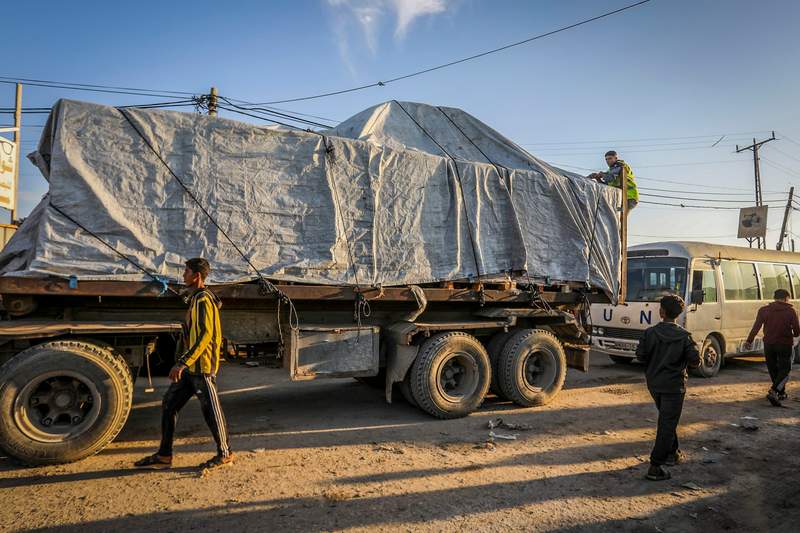
Because, really, this isn’t just about cigarettes. It’s about the corrosion that such petty criminality inflicts upon the bedrock of any security force. The theft of ammunition—that’s the kicker, isn’t it? Small arms are big business on the black market, particularly in contested zones. It’s a market driven by desperation — and opportunity, feeding off porous borders and state incapacity. In Gaza, where a full blockade stifles legitimate trade, illegal crossings and smuggling tunnels—when they’re not being used for weapons—become lifelines for consumer goods. But it’s a murky lifeline, one easily exploited by those meant to prevent it.
The scale of illicit trade in tobacco alone is staggering, offering a perverse incentive for such ventures. According to data compiled by the OECD and the European Union Intellectual Property Office (EUIPO), the illicit tobacco trade costs governments worldwide over $50 billion in lost revenue annually. This incident, minuscule in the global scheme, points to a microcosm of that grander, dirtier economic reality playing out right on Israel’s doorstep.
“This sort of cross-border smuggling, while often appearing minor, reflects deep-seated economic disparities and the dangerous human element in conflict zones,” explained Dr. Avi Abramson, a security analyst at the Herzliya Institute for Policy Strategy. “It’s not unique to this region, you see it everywhere. From the Sahel to the Afghanistan-Pakistan border, soldiers, sometimes underpaid, sometimes simply opportunistic, get entangled in the very criminal networks they’re supposed to disrupt.” He’s right; these aren’t isolated incidents. They’re a feature of life in militarily managed regions across the globe—something Pakistan’s security forces grappling with their own border issues could attest to, as chronicled in analyses like The Architecture of Pakistan’s Unfinished War on Terror, which details the challenges of maintaining integrity amidst complex, conflict-driven illicit economies.
📄 POLICY WIRE WHITEPAPER PUBLISHED: PAKISTAN'S NATIONAL SECURITY POLICY PRIORITIES
👉 READ BY CLICKING HEREAnd that’s the dark irony: while grand strategies of statecraft play out in diplomatic halls, individuals on the ground are trading cartons of Marlboros and stray rounds of ammunition. It’s an economy born of necessity — and maintained by shadow. These two soldiers? They’re small fry, no doubt, but their actions peel back a layer of veneer on how even highly disciplined armies can find their personnel straying into venal acts when borders become long, boring, and lucrative opportunities arise.
What This Means
This indictment isn’t just a blip; it’s a harsh whisper about the real-world operational hazards facing Israel’s military and security posture along the Gaza envelope. Politically, it grants ammunition—no pun intended—to critics who often cite the humanitarian conditions in Gaza as a breeding ground for such informal economies. For the IDF, it mandates a tough internal look. Are safeguards adequate? Is the temptation, born of boredom or perceived slight, simply too great for some individuals operating under immense pressure but little oversight?
Economically, it underscores the persistent, powerful pull of black markets in regions suffering under severe blockades or economic sanctions. Where official trade falters, unofficial trade—often criminal—thrives. The incident spotlights the desperate ingenuity, and unfortunately, the corruption, that can emerge at the intersections of conflict, poverty, and state control. This dynamic, common throughout the Muslim world’s contested regions, from Middle Eastern borders to parts of South Asia, proves how difficult it’s to completely seal off areas; the pressure valve always finds a way, sometimes through unexpected hands—even those wearing a uniform.