


The Golden Snare: How ‘Guaranteed’ Gains Fuel Betting Empires Amidst UCL Hype
POLICY WIRE — London, UK — It’s an offer designed to look like the simplest win imaginable: sixty to one odds on a single, solitary corner kick in a Champions League final. Never...

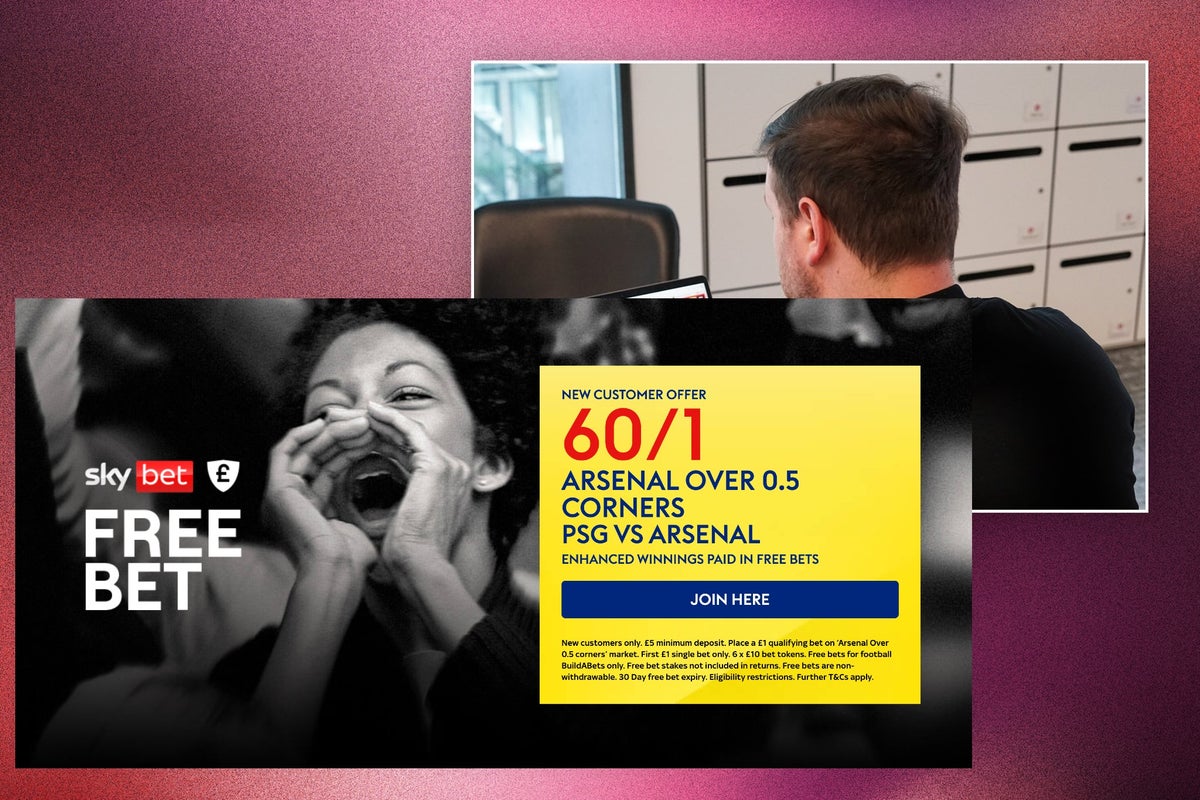
POLICY WIRE — London, UK — It’s an offer designed to look like the simplest win imaginable: sixty to one odds on a single, solitary corner kick in a Champions League final. Never mind that the ball’s journey to the corner flag feels like an inevitability in ninety minutes of high-stakes football. The latest enticement from Sky Bet isn’t really about Arsenal’s set-piece prowess; it’s about reeling in new customers, dangling what appears to be a no-brainer wager—a bait, really—into the sprawling, relentlessly aggressive world of online sports betting.
Because, let’s be clear, this isn’t just about an innocuous bet on a football match. This is about customer acquisition, pure — and unadulterated. A £1 stake for a chance at £60 in free bets. Who could say no to that, right? That’s the pitch. And it works. It really, really works.
But the real game isn’t played on the pitch; it’s played in the sophisticated algorithms and marketing departments that churn out these seemingly irresistible deals. They’re a calculated handshake, a friendly pat on the back that says, “Welcome aboard, let’s make some easy money together!” The reality, of course, is a tad more nuanced than that. New users, fresh to the digital sportsbook, commit a fiver deposit, then watch a solitary quid go towards what often feels like a preordained outcome. The ‘winnings’—mostly bundles of free bet tokens, mind you—then need to be played again, drawing you deeper into the ecosystem.
It’s this ‘foot in the door’ approach that irks many consumer advocates. Dr. Eleanor Vance, head of the Gambling Harm Prevention Initiative, doesn’t mince words. “These introductory offers are deceptively simple,” she told Policy Wire. “They normalize risk, particularly for individuals who might be financially vulnerable or simply naive to the long-term mechanics of habitual betting. You’re not just getting free bets; you’re becoming a data point, a potential repeat customer. And that’s the gold for these operators.” Her organization’s reports routinely highlight the fine print and behavioral psychology embedded in such promotions.
And what an industry it’s. The global online gambling market size, according to a 2022 report from Grand View Research, stood at an eye-watering USD 63.5 billion, projected to grow at a compound annual growth rate (CAGR) of 11.7% from 2023 to 2030. That’s a juggernaut, fuelled by millions of punters, many of whom started with some kind of ‘free’ or ‘enhanced odds’ offer. This growth isn’t happening in a vacuum; it impacts regulatory bodies, public health initiatives, and even the cultural fabric of societies.
Because football, as we know, isn’t just a European pastime. Its tendrils stretch across continents. From the buzzing souks of Casablanca to the crowded cafés of Lahore, Champions League nights are sacred. The broadcast schedule might favor European prime time, but fans — devout, fervent fans — will burn the midnight oil for their chosen teams. This global reach means that the marketing tactics perfected in regulated markets like the UK often have a ripple effect. Though many nations in the Muslim world, like Pakistan, uphold strict Islamic prohibitions against gambling, the digital realm proves porous. VPNs and offshore sites become gateways, allowing the siren song of ‘easy money’ to reach audiences that are theoretically off-limits, often circumventing local legal frameworks. It creates a subtle, yet undeniable, tension between globalized entertainment — and localized morality.
Lord Frederick Astor, a Member of Parliament long vocal about responsible gaming, voiced a cautious approval, albeit with a caveat. “Look, regulated markets like ours exist because we acknowledge a demand. The alternative is an entirely unregulated, black market free-for-all. What’s critical,” he said from his office in Westminster, “is ensuring these promotions, however inventive, don’t exploit vulnerabilities. There’s a fine line between healthy competition and predatory targeting, and the industry often dances right on it.”
Then there’s the ‘responsible gambling’ footnote. Every betting site includes it, a moral fig leaf at the bottom of the page. Use deposit limits. Never chase losses. Seek help if you need it. But how genuinely do those disclaimers register when you’re caught up in the thrill, the promise of something for next to nothing? It’s like handing out free samples of sugary drinks with a tiny, polite warning about diabetes risk. The appeal of the initial sweetness is far more immediate. We’ve even explored the broader impact of sports-driven economics on developing regions, particularly South Asia, where the spectacle of sports like cricket often overshadows such considerations in The Billion-Dollar Bash: Young Stars, Seismic Crowds, and South Asia’s Cricket Economy.
What This Means
For one, it means we’re in an era where global sports franchises aren’t just selling entertainment; they’re proxies for a massive betting ecosystem. The ‘Sky Bet Champions League final offer’ is a microcosm of a larger economic model, one that hinges on continuous customer onboarding and the habitualization of betting behavior. Politically, governments — even those with robust regulatory frameworks — face constant pressure. They’re tasked with balancing substantial tax revenues generated by these operators against increasing societal concerns over gambling addiction and the exposure of minors. Economically, these offers are immensely effective. They minimize initial friction for new users, rapidly expand customer databases, and create lucrative future revenue streams long after that first corner kick bet has settled. For better or worse, the seemingly innocent corner kick now symbolizes far more than just a momentary interruption of play; it’s a powerful on-ramp to an industry that has mastered the art of making fortunes from microscopic margins and massive volume. The Champions League final isn’t just a sporting event anymore. It’s a global stage for commerce, aspiration, and, for some, a troubling gamble.