

Rio Arriba Shakes: Candidate’s Reckless Crash Exposes Cracks in Public Trust
POLICY WIRE — ESPAÑOLA, N.M. — Sometimes, it’s the humdrum of local politics that delivers the most jarring jolt. While national headlines chase geopolitical storms or the latest tech...

POLICY WIRE — ESPAÑOLA, N.M. — Sometimes, it’s the humdrum of local politics that delivers the most jarring jolt. While national headlines chase geopolitical storms or the latest tech mogul’s whims, the quiet machinery of county government often operates under the radar—until it doesn’t. This week, Rio Arriba County, New Mexico, found its often-overlooked assessor race suddenly thrust into an uncomfortable spotlight, not for policy debates or fiscal plans, but for a rather undignified incident involving one of its aspiring leaders.
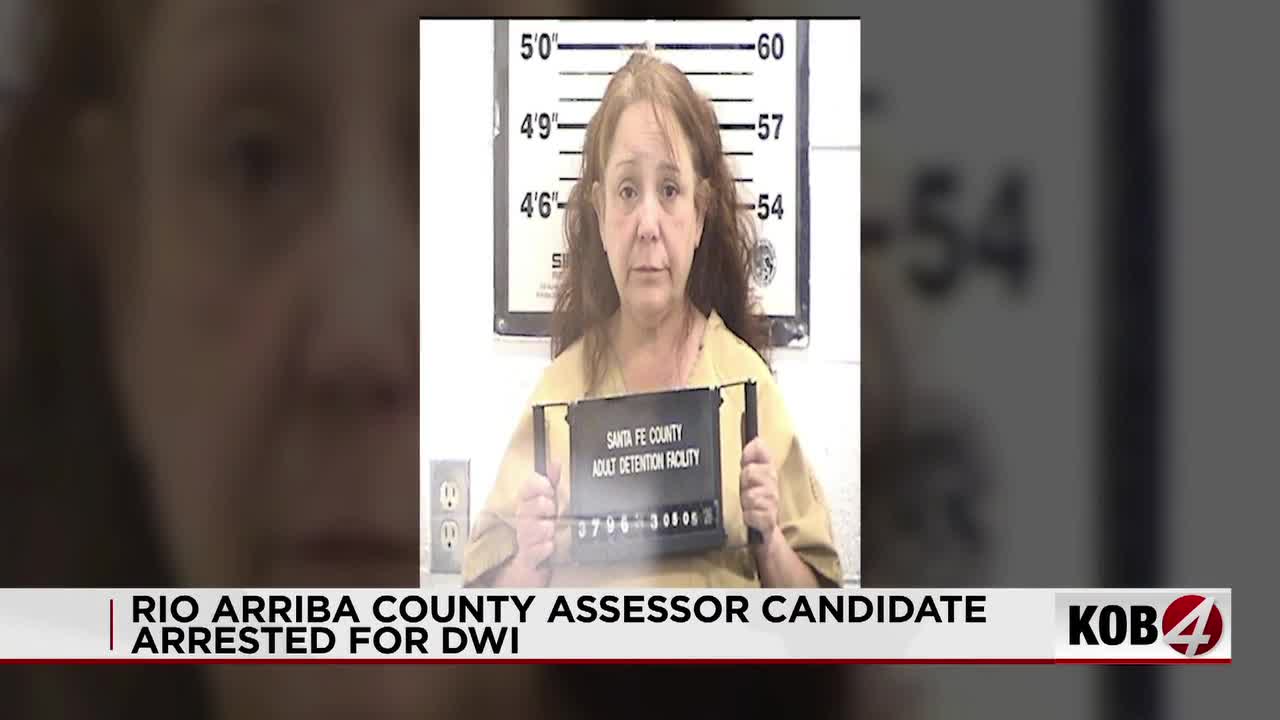
It wasn’t a policy wonk’s gaffe, or a campaign finance irregularity that snagged attention. No, this was far more prosaic, far more human. Democratic County Assessor Candidate Josie Valdez, eyeing one of the key administrative posts in northern New Mexico, now faces an aggravated DWI charge. Police accounts sketch a grim picture: a late-night crash into a light pole on McCracken Lane, near Santa Cruz Road, Española. Not exactly the profile in public service constituents typically envision, is it?
Law enforcement officials were pretty clear. Valdez, they say, exhibited the tell-tale signs, stumbled through multiple field sobriety tests, and then—critically—refused a breathalyzer. Arrest swiftly followed. And just like that, the already convoluted internal squabble among Democrats for the assessor’s office turned into something of a circus, replete with bright, flashing emergency lights.
This isn’t merely a personal misfortune. It’s a seismic tremor rippling through a local electoral landscape that frequently struggles with voter engagement. You’d think the office of assessor, responsible for property valuations and tax rolls—the bread and butter of local government—would demand an unwavering commitment to decorum. Instead, we’re talking about alleged public endangerment. It’s quite a look, isn’t it?
Valdez herself has been tight-lipped publicly, but sources close to her campaign suggest a profound regret. “This was a catastrophic lapse in judgment,” said a campaign aide, who asked not to be named due to the ongoing legal situation. “Josie’s devastated, truly. She’s devoted her life to this community. We’re hopeful people will remember her record of service beyond this unfortunate night.” But hopes often run aground on the rocks of public perception, particularly in politically sensitive times.
Not everyone’s so ready to offer a soft landing. “The trust of the electorate is everything, especially in local roles where public servants are so visible,” observed Patricia Montoya, a retired public administrator from nearby Chimayó. “When candidates stand for office, they volunteer to uphold a higher standard. You just can’t afford mistakes that put lives at risk. It’s a disservice to the office she seeks, and frankly, to the very notion of democratic accountability.” Strong words, those.
Because, really, when we talk about trust in institutions, whether it’s an assessor’s office in Española or a new maritime security agreement in South Asia, the underlying currency is the same: integrity. A misstep by an aspiring local official in New Mexico—however small it might seem on a global scale—can chip away at that trust just as effectively, if less dramatically, as a large-scale corruption scandal in, say, Pakistan. It’s about perception. And perceptions, once fractured, are notoriously difficult to mend.
In fact, a recent poll by the University of New Mexico’s Institute for Public Policy indicated that only about 45% of Rio Arriba County residents express high confidence in the ethical standards of their local elected officials—a figure that often dips further in the wake of such personal scandals. For a region with deep roots — and a strong sense of community, that erosion can sting.
Valdez isn’t alone in this race. She’s one of three Democrats vying for the nomination. Her rivals must now navigate this treacherous political terrain, simultaneously condemning the alleged behavior while trying not to appear overly opportunistic. It’s a delicate dance, believe me.
What This Means
This incident is more than just a roadside mishap; it’s a direct hit to the Democratic Party’s prospects in Rio Arriba County. They were already contending with a primary election that, by its very nature, fragments loyalties. Now, they’ve got to deal with the public relations fallout of one of their frontrunners facing a charge that touches a raw nerve with most voters. It’s an instant referendum on character, overshadowing policy discussions. And who wins from such disarray? Well, often it’s the less tarnished candidate, regardless of their substantive qualifications. The electorate, disheartened, might just opt for the ‘cleanest’ option available.
Economically, this sort of spectacle rarely has direct repercussions for an assessor’s office, but it certainly can impact community morale and, by extension, investment and growth. When leadership looks unstable, potential investors — and even new residents might reconsider. It feeds into a narrative of instability. Also, consider the cost: diverted police resources, legal fees—all small drains on an already strained local system. But primarily, it’s a trust crisis, plain — and simple. If the assessor is charged with aggravated DWI, what faith does the public put in the integrity of the valuations, or the fairness of the tax system they administer? It’s a bad omen for democratic health. incidents like these underscore how local challenges, sometimes perceived as isolated, echo universal themes of governance and public accountability that resonate as far as Islamabad, where trust in foundational institutions remains an ongoing, complex endeavor. Voters, after all, simply want leaders who won’t crash the car.