


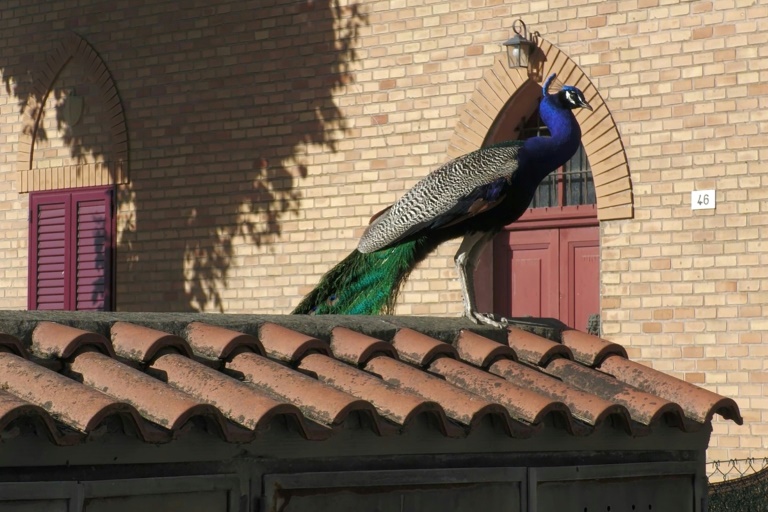
Feathers and Fury: Italy’s Peacock Predicament Pits Paradise Against Pragmatism
POLICY WIRE — Vignanello, Italy — There’s a particular brand of bureaucracy unique to situations where beauty, unexpectedly, turns into an unholy menace. We’re not talking about rogue tourists or an...

POLICY WIRE — Vignanello, Italy — There’s a particular brand of bureaucracy unique to situations where beauty, unexpectedly, turns into an unholy menace. We’re not talking about rogue tourists or an overly enthusiastic accordion player. No, in the sleepy, sun-dappled village of Vignanello, south of Rome, the unlikely protagonists are creatures of resplendent, iridescent charm: wild peacocks.
It sounds like something from a whimsical children’s book, but the reality? It’s far grittier. These aren’t domesticated birds. They’re feral, aggressive, and prolific. They descended upon Vignanello like feathered gladiators, turning once-serene streets into arenas of raucous squawks and casual destruction. You’d think the worst they could do is look pretty, wouldn’t you? Wrong. So very wrong.
For years, their numbers remained manageable, a delightful — if noisy — curiosity for both locals and the occasional intrepid traveler looking for an authentic Italian experience. They were an oddity, sure. But then, as happens with anything left unchecked, the population ballooned. Locals began whispering. Then they started shouting. Now, you’ve got a bona fide avian insurgency.
“Initially, everyone adored them, me included,” explained Mayor Giovanni Rossi, his voice a tight blend of weariness and local pride. “They truly are magnificent, a burst of color in our medieval stone streets. But ‘magnificent’ doesn’t pay for the roof tiles they’ve smashed, nor does it replace the heirloom plants ripped from our gardens. We’ve residents telling me they can’t sleep for the incessant mating calls. It’s like a horror movie soundtrack, but with feathers.” Rossi, known for his no-nonsense approach to municipal squabbles, seems genuinely stumped by this particular, peacock-shaped challenge. His town, nestled in the Viterbo region, just wasn’t built for this kind of biodiversity.
But the problem extends beyond mere annoyance. Peacocks are agricultural pests, too, feasting on tender crops — and scratching up fields. Some locals are calling for culling, a proposal that immediately sparked a furious counter-campaign from animal welfare activists who insist on humane relocation. It’s a classic town square debate, except the stakes are actual feathered lives, and the principal irritants weigh around eight pounds a piece. It’s a mess, really.
And these aren’t native species, mind you. Peacocks, or more accurately peafowl, are indigenous to the Indian subcontinent — and parts of Southeast Asia. You don’t often find them roaming wild — and free in the Italian countryside. Some say they escaped from a local estate decades ago; others speculate about exotic pet liberation. The mystery of their arrival is a charming footnote to a less charming reality: a burgeoning invasive species crisis. Because when a single hen can lay up to six eggs per clutch, a few escaped pets become a legion remarkably fast. This reminds some observers of the ecological challenges faced by nations like Pakistan, where native peacock populations are themselves under threat from habitat loss, but accidental wild populations can wreak havoc in unforeseen ways abroad.
The numbers don’t lie, either. A recent report by the Italian National Institute for Wildlife estimates that properties within Vignanello have sustained an average of €2,500 in damages per household over the last two years due to peacock activity, primarily from structural wear, garden destruction, and contaminated water features. That’s a lot of euros for a pretty bird, isn’t it?
“These animals represent a unique challenge for local governments not accustomed to managing such specific wildlife intrusions,” stated Dr. Isabella Contini, a regional environmental policy advisor. She isn’t wrong. “While beautiful, the uncontrolled proliferation of non-native species can disturb delicate ecosystems, damage infrastructure, and severely impact local quality of life. We need solutions that are both ethical and effective, but funds for these initiatives often just aren’t there.” Her comments highlight a common refrain among regional policy makers battling everything from climate change to unexpected wildlife management issues, often with woefully inadequate resources. It mirrors debates globally, where cities like Albuquerque grapple with resource allocation for animal welfare programs.
What This Means
The peacock saga in Vignanello isn’t just a quirky local news item; it’s a microcosm of broader administrative and environmental challenges confronting European towns. It speaks to the clash between romanticized nature and the hard edges of biological reality, where an exotic species, once a novelty, turns into a costly burden. Local councils, already stretched thin, find themselves battling unexpected environmental pressures while trying to maintain the postcard appeal that attracts tourism—their economic lifeline. What’s the price of a photo opportunity when your roof leaks and your morning coffee is punctuated by deafening screeches?
This situation also pulls back the curtain on the complexities of conservation. When should we intervene? Who pays? How do you balance ecological impact with public sentiment? The fight over Vignanello’s peacocks isn’t just about birds; it’s about governance, resources, and the public’s often-conflicting desires for both untamed beauty and orderly civic life. And as towns around the world, from Italy to bustling Ahmedabad, deal with rapid environmental shifts and population dynamics, these small, feathery skirmishes often become surprisingly apt indicators of larger systemic strains.