

Europe’s Unseen Arena: Braga vs. Freiburg as a Microcosm of Continental Ambition and Financial Realities
POLICY WIRE — Lisbon, Portugal — In the grand, often cynical, theatre of European club football, where petrodollars and legacy monopolies frequently dictate the script, the Europa League semi-final...

POLICY WIRE — Lisbon, Portugal — In the grand, often cynical, theatre of European club football, where petrodollars and legacy monopolies frequently dictate the script, the Europa League semi-final between Portugal’s SC Braga and Germany’s SC Freiburg offers a compelling, if subtle, counter-narrative. It isn’t merely a football match; it’s a stark reflection of the continent’s perennial economic disparities and the audacious aspirations of its secondary powers. This isn’t about the glitzy giants of the Champions League, but the gritty struggle for relevance, for a share of the spoils – and more importantly, for a whisper of national and regional pride that reverberates far beyond the Iberian Peninsula or the Black Forest.
At its core, this fixture—a maiden European semi-final for Freiburg, a significant milestone for Braga—underscores the shifting sands beneath Europe’s sporting and, by extension, economic landscape. These are clubs that routinely punch above their weight, not through vast endowments but through astute management, shrewd player development, and a fervent local following. Their ascent to this stage suggests a chink in the armour of the established elite, or perhaps, a fleeting moment of parity before the inevitable gravitational pull of wealth reasserts itself.
“We’re not just playing for our club tonight; we’re playing for the prestige of Portuguese football, for every young kid in Braga who dreams of seeing us compete at this level,” articulated António Salvador, president of SC Braga, his voice thick with a mix of pride and steely determination. “It’s a testament to what focus and community can achieve, even when facing financial behemoths annually.” He didn’t mince words about the institutional challenges smaller leagues face.
And those challenges are considerable. The financial chasm between Europe’s footballing aristocracies and its striving middle class is not merely wide; it’s a gaping canyon. UEFA’s own financial reporting indicated that in the 2022-23 season, the average revenue for a club participating in the Champions League group stage was €65.3 million, dwarfing the average Europa League participant’s €15.7 million. This stark disparity means every victory in a competition like the Europa League isn’t just about sporting glory; it’s a vital economic injection, a lifeline that allows these clubs to compete, to retain talent, and to invest in infrastructure. It’s capitalism on turf, pure — and brutal.
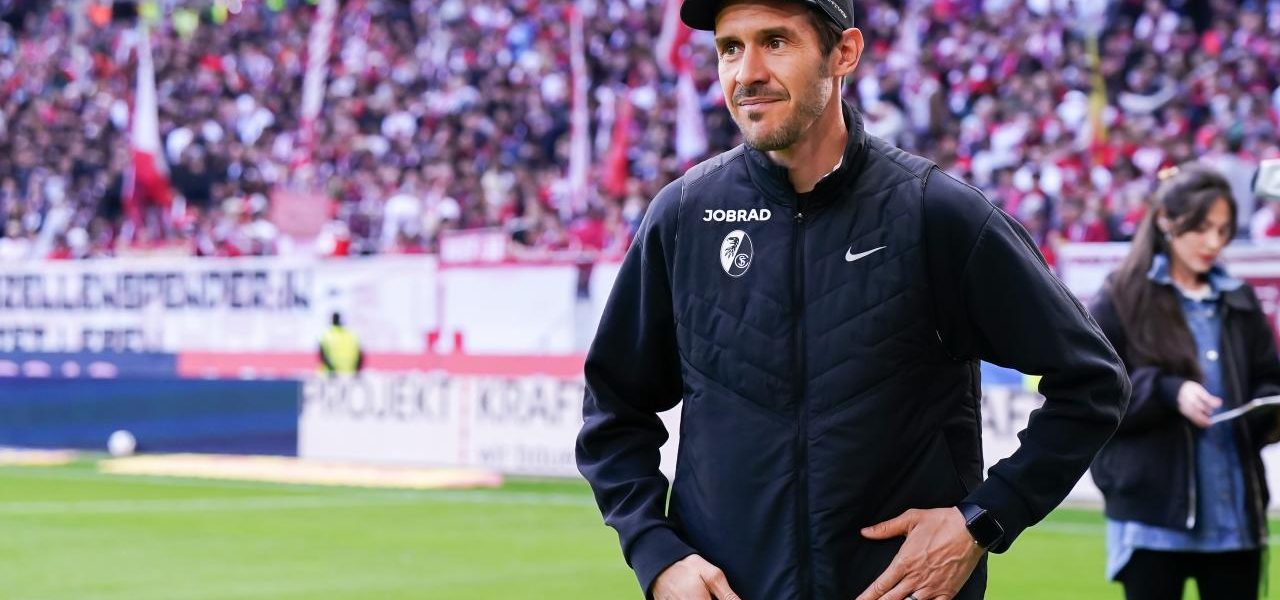
Still, Freiburg, a beacon of sustained overachievement in Germany’s Bundesliga, embodies a different kind of defiance. Their journey, often characterized by a pragmatic, collective ethos, has seen them navigate domestic pressures while excelling in Europe. Julian Schuster’s side might’ve stumbled in their last two domestic outings, but their European campaign has been punctuated by resounding victories over formidable opponents like Genk and Celta de Vigo. “This isn’t about big budgets; it’s about big hearts and intelligent football,” shot back Christian Streich, Freiburg’s long-serving manager, known for his philosophical pronouncements. “We’ve shown that methodical growth and a coherent philosophy can still challenge the status quo – it’s a marathon, not a sprint, you know.”
The global reverberations of these European contests can’t be understated. Far beyond the immediate borders of Germany — and Portugal, millions tune in, often from unexpected corners of the world. In bustling metropolises like Karachi, Pakistan, or the sprawling urban centers of Indonesia, fervent fans—many with no direct connection to Europe save for a shared love of the game—will be glued to their screens. For them, these matches represent not just sporting theatre, but a cultural conduit, a shared experience that transcends geographical and political divides. It’s a soft power play, largely unintended by the clubs themselves, that binds diverse populations to the European narrative. These supporters, many from the Muslim world, embrace these teams with a passion that occasionally surprises even the most seasoned European observer, creating a vast, invisible network of allegiance.
📄 POLICY WIRE WHITEPAPER PUBLISHED: PAKISTAN'S NATIONAL SECURITY POLICY PRIORITIES
👉 READ BY CLICKING HEREWhat This Means
This semi-final, then, is more than a sporting event; it’s a poignant policy statement. For Portugal, Braga’s progress symbolises a broader national aspiration to be seen as more than just a footballing talent incubator for wealthier leagues. It’s about cultivating a self-sustaining ecosystem within Liga Portugal, one that can retain its stars and compete on the continental stage. Economically, success here translates directly into prize money, enhanced sponsorship deals, and increased tourism – tangible benefits for a region still navigating post-pandemic recovery. For Germany, Freiburg’s performance is a validation of its model of sustainable growth and financial prudence in an era of rampant spending, challenging the European footballing establishment’s Faustian bargain with external investors. It’s a compelling case study in how smaller, community-focused clubs can thrive without compromising their identity.
Ultimately, these matches serve as vital cultural touchstones, reinforcing national identity and offering a unifying force amidst fragmented political landscapes. They’re a periodic reminder that shared passions can momentarily eclipse profound differences – a phenomenon perhaps best exemplified by the global, heterogeneous fanbases that European football has cultivated. It’s truly a complex web of economics, aspiration, and identity, all played out on a patch of impeccably manicured grass.
The confirmed lineups for tonight’s clash at Estádio Municipal de Braga – Hornicek, Lagerbielke, Vitor Carvalho, Oliveira, Gomez, Moutinho, Gorby, Tiknaz, Zalazar, Horta (C), Victor for Braga; and Atubolu, Makengo, Lienhart, Ginter, Treu, Eggestein, Manzambi, Grifo (C), Suzuki, Beste, Matanović for Freiburg – represent not just a tactical blueprint. No, they’re a roll call of individuals, each carrying the weight of their clubs’ and, frankly, their nations’ hopes on their shoulders. Tonight, they’re not just footballers; they’re economic agents, cultural ambassadors, and unlikely standard-bearers in Europe’s relentless quest for sporting—and symbolic—dominance.