


Europe’s Automotive Old Guard Faces New Silk Road: China’s Luxury Marque Seeks Backdoor Entry
POLICY WIRE — Brussels, Belgium — It’s not often a continent’s industrial bedrock finds itself subtly, yet profoundly, undermined by a challenger most thought years, if not decades, away...

POLICY WIRE — Brussels, Belgium — It’s not often a continent’s industrial bedrock finds itself subtly, yet profoundly, undermined by a challenger most thought years, if not decades, away from direct confrontation. Europe, home to automotive dynasties whose names are synonymous with bespoke luxury and engineering finesse, is now confronting a peculiar new reality: a Chinese contender, often dubbed the ‘Rolls-Royce rival,’ appears to be charting an ingenious, perhaps even audacious, course directly into its gilded showrooms.
Behind the headlines of tariff disputes — and trade imbalances lies a more nuanced saga of strategic penetration. This isn’t merely about selling more cars; it’s about shifting perception, recalibrating industrial might, and, crucially, seizing a segment of the global market long considered sacrosanct. The precise mechanism remains somewhat shrouded in corporate intrigue, but the whispers—and indeed, some louder pronouncements—suggest a potential acquisition or a shrewd joint venture that would circumvent traditional market entry obstacles, effectively providing a fast track into the continent’s lucrative luxury stratum.
At its core, this move represents more than just commercial ambition; it’s a potent symbol of China’s expanding economic prowess and its deliberate pivot from mass production to premium branding. For years, the ‘Made in China’ label conjured images of affordability, not exclusivity. But no longer. Beijing’s industrial policy, articulated through initiatives like ‘Made in China 2025,’ explicitly targets high-value manufacturing sectors, and luxury automobiles are undeniably a crown jewel in that endeavor. And they’re not just looking westward; China’s automotive exports surged by 58% in 2023, reaching a staggering 4.91 million vehicles, making it the world’s largest car exporter, according to data from the China Association of Automobile Manufacturers (CAAM).
So, what’s a European policymaker to make of it? Apprehension, naturally, but also a grudging recognition of China’s evolving industrial sophistication. “We’re certainly observing this development with a keen eye,” shot back a European Commission trade spokesperson, speaking on condition of anonymity due to ongoing sensitive discussions. “Fair competition is one thing, but market distortion through state subsidies or circumventing established trade norms is another entirely. We’ll protect our industries.” It’s a sentiment that underscores the deep-seated anxieties simmering beneath the surface of trans-continental trade.
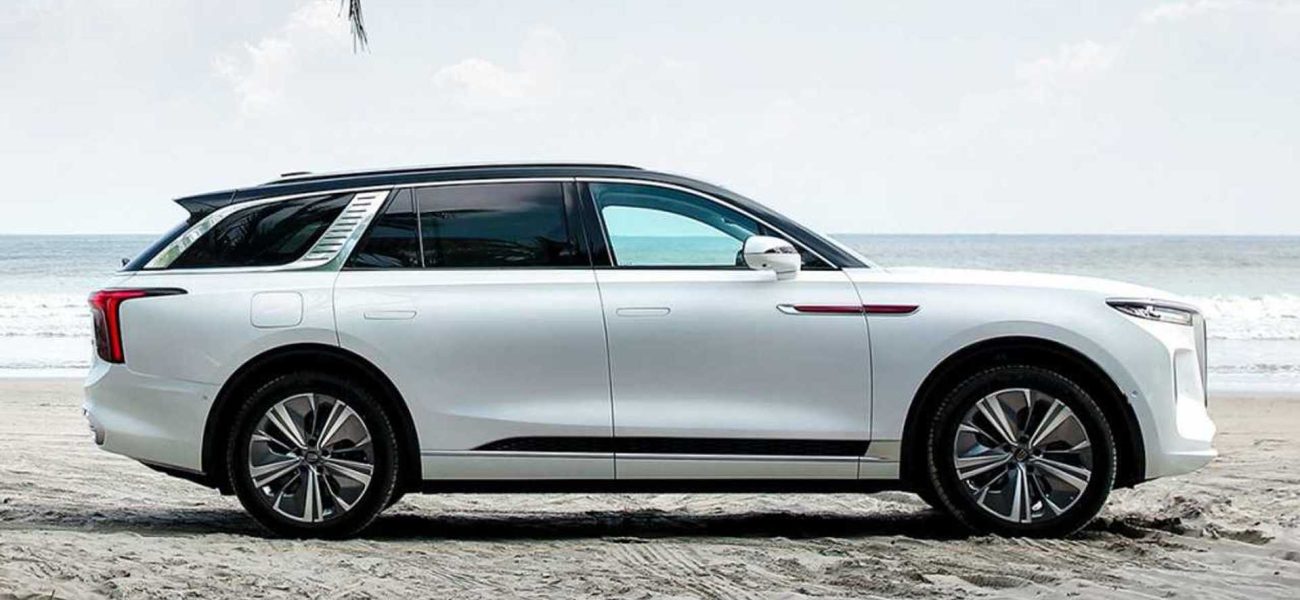
Still, the Chinese side remains unperturbed, articulating a vision that transcends mere market share. “Our vision transcends borders,” opined a senior executive at FAW Group, the state-owned conglomerate behind China’s top luxury brand, during a recent industry forum. (FAW owns Hongqi, often cited as the aforementioned ‘Rolls-Royce rival’.) “We offer unparalleled craftsmanship and technology, and the European consumer, discerning as they’re, will recognize true value. This isn’t about mere sales; it’s about cultural exchange and demonstrating global leadership in innovation.” A bold pronouncement, to be sure, particularly when one considers the centuries of heritage that underpin European automotive design.
📄 POLICY WIRE WHITEPAPER PUBLISHED: PAKISTAN'S NATIONAL SECURITY POLICY PRIORITIES
👉 READ BY CLICKING HEREAnd it’s not just Europe feeling the ripple effects of China’s global industrial outreach. Across the vast expanse of the Muslim world, from the burgeoning markets of the Middle East to the rapidly developing economies of South Asia, China’s economic footprint is becoming ever more indelible. In Pakistan, for instance, Chinese automotive brands are gaining considerable traction, often perceived as offering a superior value proposition compared to traditional Japanese or Korean imports, let alone the prohibitively expensive European luxury models. The Belt and Road Initiative (BRI) has laid the infrastructural groundwork, facilitating not just trade routes but also a deeper cultural and economic penetration that sees Chinese goods, including passenger vehicles, become increasingly ubiquitous. It’s a quiet revolution, transforming consumer choices — and supply chains alike.
The strategic partnerships being forged are equally telling. Consider Stellantis’s embrace of Leapmotor – a clear indication that even established Western automotive giants recognize the necessity, or perhaps the inevitability, of collaboration to navigate China’s electric vehicle dominance. This isn’t merely about manufacturing efficiencies; it’s a survival mechanism, a blueprint for remaining relevant in a rapidly reordering global automotive landscape. The ‘shortcut’ into Europe, then, isn’t just a tactic for one brand; it’s a harbinger of a broader trend, signalling a more integrated, yet inherently competitive, future for the world’s most consequential industries.
What This Means
This potential entry of a Chinese luxury automotive brand into Europe, particularly via an expedited route, heralds a truly momentous shift in global economic dynamics. Politically, it exacerbates the ongoing tension between open markets and protectionist tendencies, forcing European Union officials to carefully calibrate their response—balancing free trade principles with the imperative to safeguard domestic industries and intellectual property. It’s a delicate dance, as overtly aggressive measures could invite retaliatory tariffs against European exports, harming their own powerhouse industries. Economically, the implications are stark: increased competition for Europe’s storied luxury brands, potentially driving down prices but also threatening long-established market dominance and profit margins. It could also accelerate the shift towards electrification, given China’s lead in EV technology, thereby reshaping the continent’s manufacturing priorities. For countries like Pakistan, the growing presence of Chinese automotive brands, even at the luxury end, signifies a continued reorientation of trade and economic influence towards the East. It suggests a future where economic power increasingly radiates from Beijing, shaping consumer markets and industrial policies not just in its immediate sphere of influence, but globally.