


Discovering the Hidden Shark Nursery Near New York’s Hamptons
POLICY WIRE — Hamptons, New York — Marine researchers have identified a hidden shark nursery just off the coast of New York’s Hamptons. Greg Metzger, a marine researcher, recently caught a...

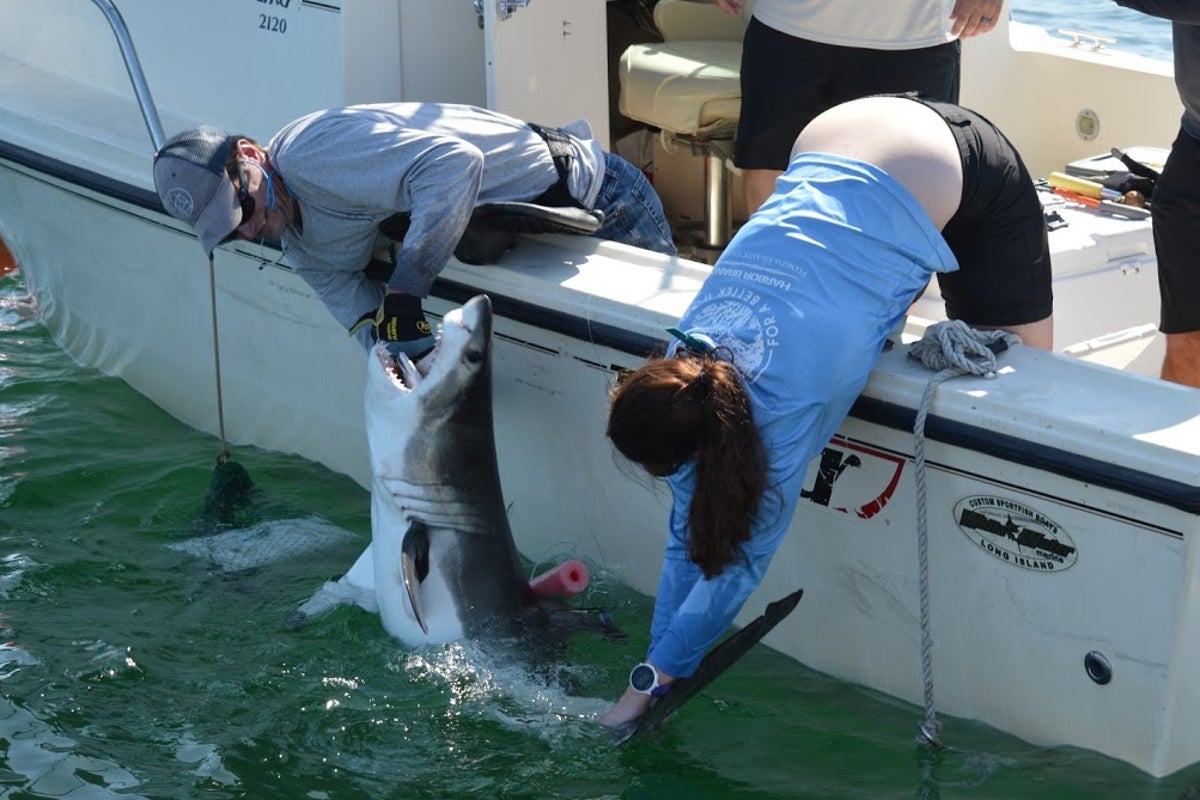
POLICY WIRE — Hamptons, New York — Marine researchers have identified a hidden shark nursery just off the coast of New York’s Hamptons. Greg Metzger, a marine researcher, recently caught a young sand tiger shark to gather tissue samples and attach tracking equipment.
The shark’s tough skin was so strong that it broke a surgical scalpel during the process. Metzger noted the resilience of these ancient predators, stating that they have survived since prehistoric times.
This capture is part of a larger program to tag and track local marine life, focusing on one of the few documented great white shark nurseries in the world. These coastal waters serve as a crucial habitat for young sharks to feed and grow before venturing into deeper waters.
Metzger, who also teaches marine science, hopes that educational initiatives will help dispel the myth that sharks are mindless eating machines. The tracking equipment used by researchers includes devices that transmit acoustic signals and others that measure water temperature and depth.
Bradley Peterson, a marine scientist at Stony Brook University, highlighted that the tracking data reveals the extensive travels of these sharks, with tags detected as far south as the Gulf of Mexico and as far north as New England.
Frank Quevedo, executive director at the South Fork Natural History Museum, noted that rising water temperatures are attracting a wider variety of tropical shark species to Long Island waters. These include spinner sharks, black tip sharks, and bull sharks.
Despite public attention drawn by shark sightings, Long Island waters have historically been a sanctuary for marine predators. There have been no fatal shark attacks recorded in the area, though recent incidents have prompted increased monitoring efforts.
Great white shark pups, which measure around 4 feet long and weigh up to 80 pounds at birth, must hunt independently from the start. The shallow waters off Long Island provide them with a safe environment to learn essential hunting skills.
As they mature, great whites migrate north to feed on seal populations along Cape Cod. However, warming coastal waters are causing young whites to migrate earlier, bringing them closer to adult predators.
Historical fishing trends have significantly impacted shark populations. The release of “Jaws” led to a surge in recreational shark hunting, severely affecting great white populations. Protective measures introduced in recent decades have helped these species begin to recover, though populations remain below historical levels.
Quevedo emphasized the importance of protecting apex predators, stating that they play a crucial role in maintaining the balance of marine ecosystems.
Reporting by Policy-Wire (PW)