



Dust Devil Dominance: Hull Clinches GOP Nod Amidst New Mexico’s Quirky Political Shift
POLICY WIRE — ALBUQUERQUE, N.M. — The high desert plains of New Mexico? They’re no stranger to dust devils, swirling up from nowhere, shifting the landscape in unexpected ways. And tonight, the...

POLICY WIRE — ALBUQUERQUE, N.M. — The high desert plains of New Mexico? They’re no stranger to dust devils, swirling up from nowhere, shifting the landscape in unexpected ways. And tonight, the state’s political topography got a pretty significant reshuffle, all under the glare of primary night lights. It wasn’t just about predictable outcomes; there were real curveballs.
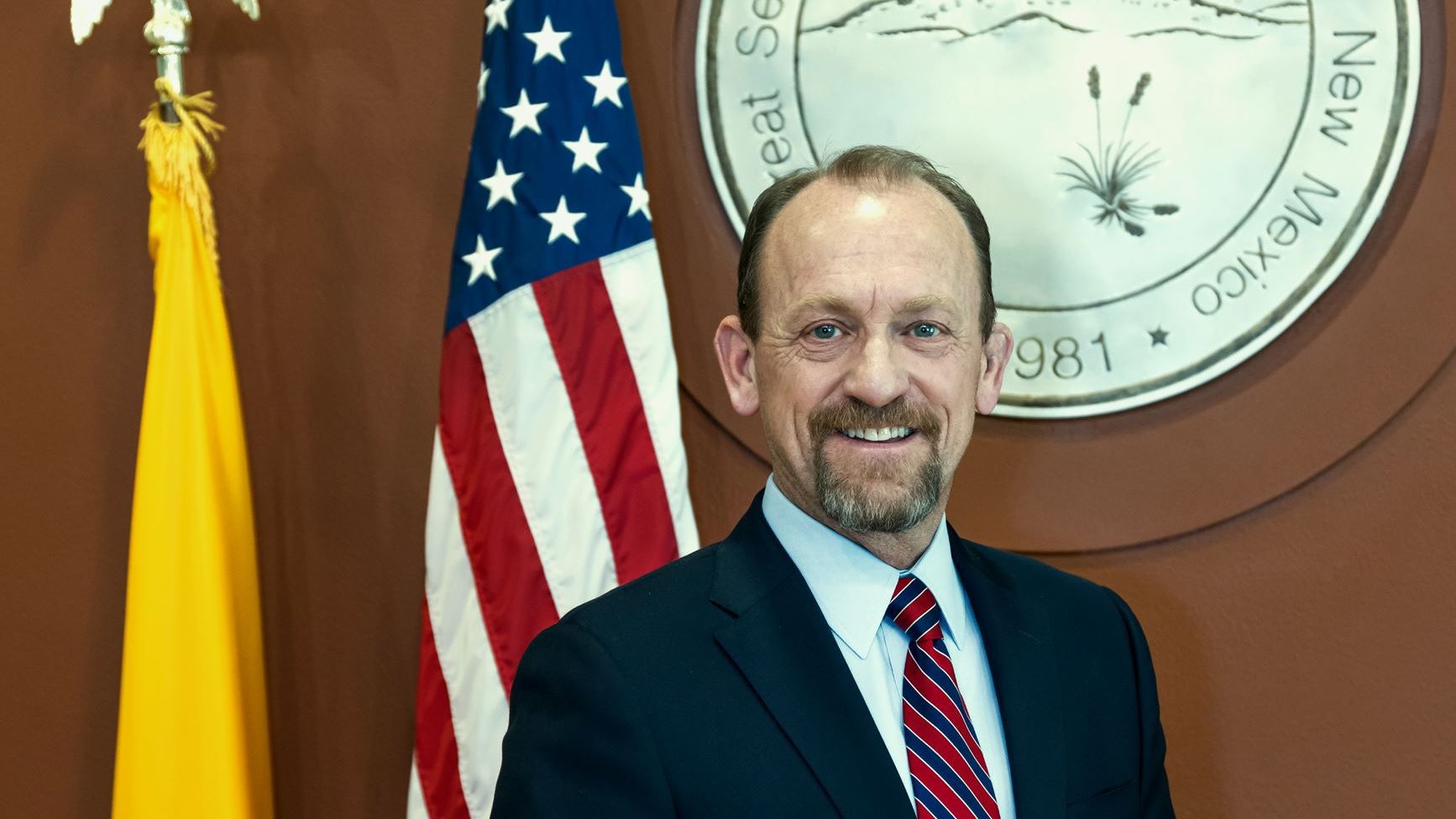
See, everyone kinda figured former Rio Rancho mayor Gregg Hull would clinch the Republican ticket for governor. KOB 4, a local news outlet — and plenty of pundits — had him pegged for it, and they weren’t wrong. He bested rivals Doug Turner — and Duke Rodriguez, securing his spot on the November ballot. His victory, though anticipated, still kicks off a bare-knuckle brawl for the governor’s mansion. Hull, a straight shooter by most accounts, stood before supporters, clearly jazzed. “I just wanted to start off saying thank you. Thank you, thank you to everyone who came out tonight, to everyone who voted for us, for our vision to make New Mexico as great as it possibly could be,” he stated, his voice a little hoarse from campaigning, the typical boilerplate gratitude with a dash of conviction. It’s what you expect. He’s looking to run a state where the median household income, according to the U.S. Census Bureau’s 2022 data, hovers around $58,722, reflecting persistent economic anxieties in certain pockets—a reality any serious candidate can’t ignore.
But the true flavor of the evening wasn’t just Hull’s win. No, it’s how these local ripples join a much larger, sometimes chaotic, current. This wasn’t just a Republican affair; across the aisle, Democratic incumbent Deb Haaland also sailed through her primary, pretty much uncontested. That sets up the general election: Hull versus Haaland. A clash of ideologies, absolutely, but also personalities. And they’ll both be fighting for every single vote, every demographic, including the state’s vibrant Muslim and South Asian communities, whose concerns—from economic opportunity to international relations, particularly peace in the Middle East and stability in regions like Kashmir—often feature in town hall discussions, even if they aren’t leading headlines.
Because that’s what this primary essentially boils down to: the opening act to what’s bound to be a raucous political season. It’s the moment when the abstract ideological debates start to take on very real, human faces.
Yet, the real stunner of the night, if you’re into electoral anomalies, unfolded in the Senate primary. Remember how the Republican Party didn’t even field a Senate candidate in February? Nobody qualified for the ballot. A void. A total embarrassment, frankly. But then, as the ballot box results trickled in, a name surfaced. Larry Marker. He got enough write-in votes to actually secure the nomination. A man—a genuine dark horse—pulled off a primary victory by pure, old-fashioned grassroots momentum. That’s something. Marker now has the unenviable task of challenging incumbent Democratic Senator Ben Ray Luján. Marker’s campaign manager, a volunteer, chuckled wryly when asked about the surprise. “Frankly, we just kept telling folks to write his name. A lot of names out there just don’t sit right with people. Maybe folks were just tired of the choices they had,” he posited. It’s a scrappy, underdog story if there ever was one, one that seems ripped straight from baseball’s theatre of the absurd, proving that sometimes, even when the cards are stacked, you can still find a way to play.
Deb Haaland, not one to let her guard down, already framed the upcoming general election in broad strokes. “We’ve made progress, real progress, for working families across New Mexico, and we’re not about to cede that ground,” Haaland was quoted as saying, speaking about the party’s direction while addressing supporters in Albuquerque later that evening. “This isn’t just about policy, it’s about protecting our values—our land, our water, our children’s futures.”
What This Means
This primary election, though seemingly straightforward in the gubernatorial contest, paints a rather vivid picture of the underlying dynamics at play in New Mexico and, frankly, much of the American political landscape. Hull’s win, coming from the center-right of the GOP, signals a party trying to find electability in a state that leans left. His message of economic improvement and traditional values will go head-to-head with Haaland’s progressive platform focusing on social equity, environmental protection, and tribal sovereignty. It won’t be polite, folks.
The write-in Senate victory, on the other hand, it’s more than a fluke. It’s a flashing red light for both major parties. It suggests a significant portion of the electorate feels underserved or completely unrepresented by the traditional options—a deep cynicism, perhaps, that can motivate the most unlikely campaigns. This kind of spontaneous grassroots action—or sheer frustration—could actually become more prevalent in an increasingly polarized, often gridlocked system. Candidates who aren’t well-funded, who aren’t polished—they sometimes connect better. It shows the simmering dissent, the desire for authenticity, no matter how unlikely its manifestation.
And because the state is so varied—from the urban centers of Albuquerque and Santa Fe to sprawling rural areas, including reservations—the messaging will have to be incredibly nuanced. Both candidates will need to bridge cultural, economic, — and geographic divides. It’s a high-stakes poker game, where every district’s particular anxieties — and aspirations become bargaining chips. But don’t count out the impact of national rhetoric either, especially on immigration debates or broader international events—events that might impact trade agreements or defense policy that indirectly affect New Mexico industries or residents with ties to global communities. A small business owner here, say, with supply chains impacted by instability abroad—they’ll be listening. The ripples of foreign policy do often reach these local shores, whether we wanna admit it or not.
