


Fallen Stars in the Land of Enchantment: New Mexico Reckons with Policing’s Gritty Cost
POLICY WIRE — Rio Rancho, N.M. — It’s become a grim ritual, almost clockwork in its tragic predictability. Every year, as spring deepens its hold, towns across America halt—if only for a fleeting...

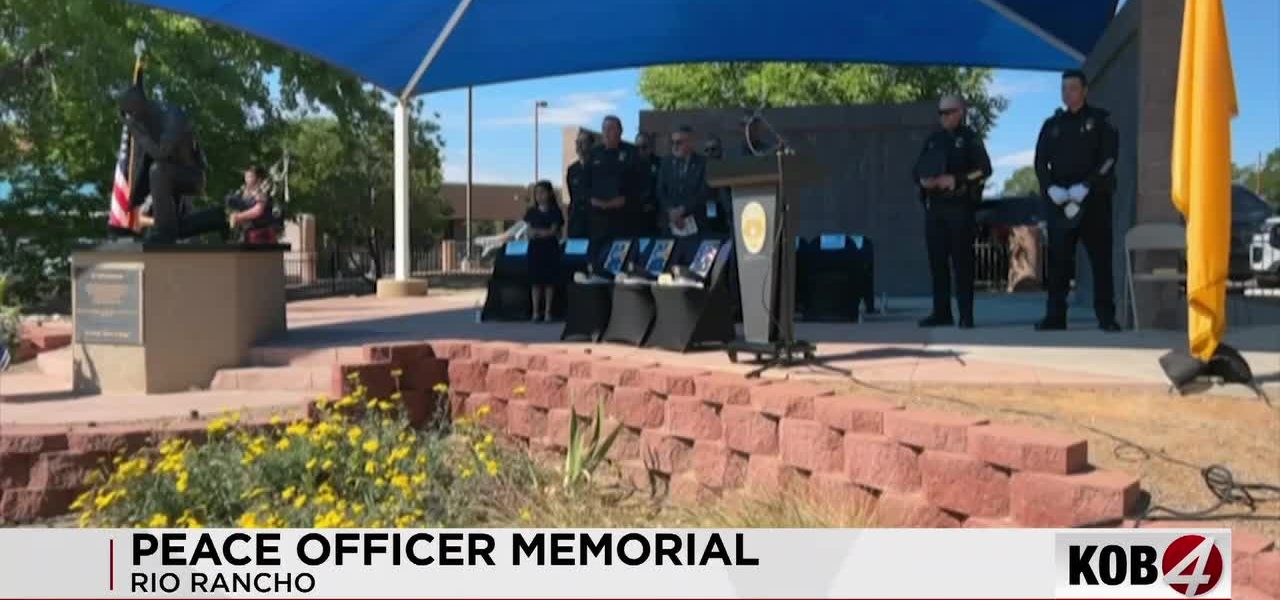
POLICY WIRE — Rio Rancho, N.M. — It’s become a grim ritual, almost clockwork in its tragic predictability. Every year, as spring deepens its hold, towns across America halt—if only for a fleeting moment—to count their dead in blue. And this year, Rio Rancho, New Mexico, certainly did its part, gathering folks to memorialize police officers who, on some unsuspecting shift, didn’t make it home. It’s not about the fanfare, y’know. It’s about remembering a sacrifice too often taken for granted. And sometimes, it’s about the uncomfortable questions these memorials kick up.
This past Wednesday, as the formal solemnities of National Police Week tapered off, the local community turned its gaze to the department’s hallowed wall, etched with names of officers gone too soon. They weren’t just recalling history, though. The fresh wound of Bernalillo County Sheriff’s Sgt. Michael Schlattman’s death hung heavy in the desert air. Schlattman, who’d been involved in a devastating collision with a semi-truck just weeks prior—an accident Rio Rancho’s own police have investigated, recommending charges for the driver—represented the raw, immediate cost of the badge.
It’s always easier to focus on the heroic end, the sacrifice, than the messy business of what leads up to it, isn’t it? But here we’re. Because beyond Schlattman, the service paid tribute to three Rio Rancho police officers whose lives were cut short defending their patch since 2007. They’re statistics, yes, but for their families — and their brothers- and sisters-in-arms, they’re gaping holes. Losing four public servants—including one just recently—within a small-town police force means something. It leaves a mark. A really deep one.
Governor Michelle Lujan Grisham (D-N.M.), never one to mince words when it comes to supporting her state’s first responders, offered her sympathies in a prepared statement that still felt pretty visceral. “These men — and women wake up every single day choosing to stand between chaos and civility. And when they fall, it rips a piece out of our collective soul. We owe them, and their families, a debt we can’t ever truly repay—only honor through our unwavering commitment to justice and safety.” But then, what exactly does that commitment look like on a Tuesday afternoon when budgets get squeezed?
And Chief Robert Miller of the Rio Rancho Police Department, his voice a low gravel, reportedly reminded attendees of the stark realities of police work. “Every single traffic stop, every domestic call, every noise complaint – they all hold the potential for tragedy. We ask our officers to make split-second, life-or-death decisions. It’s an impossible job sometimes, yet they do it, day in and day out.” He probably knows a few too many officers personally who haven’t had that safe trip home. You can’t put a price on that kind of courage, but you sure can tally up the funerals.
📄 POLICY WIRE WHITEPAPER PUBLISHED: PAKISTAN'S NATIONAL SECURITY POLICY PRIORITIES
👉 READ BY CLICKING HEREIt’s not just a New Mexico thing, mind you. Data from the National Law Enforcement Officers Memorial Fund shows that in 2023 alone, at least 136 officers across the United States died in the line of duty—a somber roll call repeated annually. This isn’t a unique American predicament, either. Just look across the globe, at places where the stakes are infinitely higher, where law enforcement is often a battleground job in its purest sense. Think Pakistan, for example. In South Asia, police officers are frequently caught in the crossfire of insurgency, terrorism, and organized crime—their memorials less about remembrance and more about a constant, grinding casualty count. A few dozen officers killed in a small New Mexico town shakes the foundations. Imagine that in a country where hundreds can fall annually, facing enemies armed with far more than just a speeding semi. The burden on their national spirit must be immense. It makes you think about different kinds of bravery, doesn’t it?
Because the inherent risks in policing, whether in a quiet New Mexican suburb or a bustling market in Lahore, form a shared thread. Our own officers here face an increasingly scrutinized, sometimes outright hostile, environment. And yet, they sign up. They put on the uniform. They stand guard.
What This Means
This annual rite of remembrance for fallen officers, while ostensibly a solemn affair, also acts as a subtle but persistent political pressure point. For policymakers, especially at the state and local levels, it becomes an unavoidable reminder of the human cost of public safety and, by extension, the arguments for increased law enforcement funding, improved equipment, and enhanced officer protections. Economically, the loss of an officer—especially one with Schlattman’s reported years of service—triggers significant direct costs: survivor benefits, insurance payouts, recruitment expenses for replacements, and the less quantifiable but real drain on departmental morale and efficiency. The Rio Rancho investigation’s recommendation of charges against the semi-truck driver isn’t just about accountability; it’s a public demonstration that such tragedies are taken seriously, a small gesture meant to reassure a wary public and a grieving force. Politically, leaders like Governor Grisham walk a fine line, needing to both express deep sympathy and articulate concrete plans for public safety without alienating segments of the electorate increasingly vocal about police reform. These events also force a sometimes uncomfortable examination of community relations—the political fury over electoral gambits might dominate headlines, but it’s often the foundational social contract between citizens and those who police them that determines the true health of a community. How a society grieves for its protectors often reflects how it values public service itself, creating a narrative that policymakers must continually navigate.