
Gaza’s Doctors: A Legal Labyrinth in the Shadow of War
POLICY WIRE — Jerusalem, Israel — Gaza’s medical lifeline, already frayed to near breaking, now faces a profound legal reckoning. Forget the usual headlines of bombs and ceasefires for a moment;...

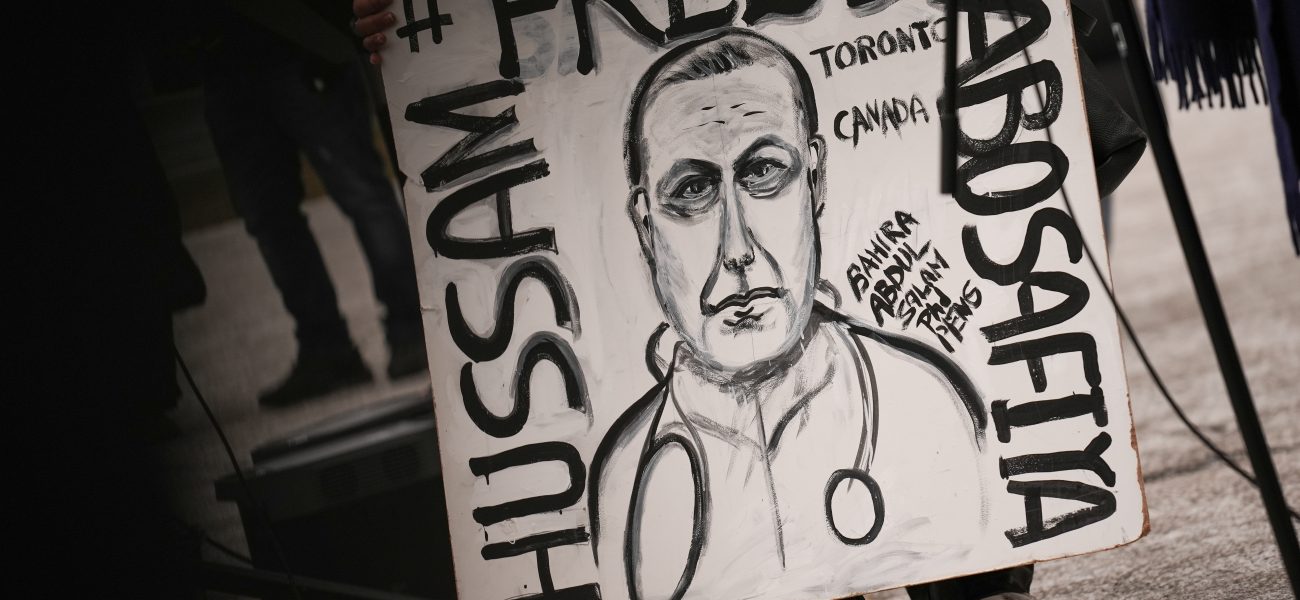
POLICY WIRE — Jerusalem, Israel — Gaza’s medical lifeline, already frayed to near breaking, now faces a profound legal reckoning. Forget the usual headlines of bombs and ceasefires for a moment; it’s the quiet, bureaucratic grind of detention — and its challenge — that’s currently capturing the attention of Israel’s highest court. An Israeli human rights organization isn’t just raising an eyebrow; it’s demanding the immediate release of 14 Palestinian doctors, all seized from Gaza’s hospitals and, it seems, held without charges or clear legal recourse.
At its core, this isn’t merely about fourteen individuals; it’s a searing indictment of the opaque legal framework that governs — or fails to govern — wartime detentions. The Hamoked Center for the Defense of the Individual, a veteran Israeli rights group, dragged the state before the Supreme Court this week, asserting that these medical professionals are being held under administrative orders, effectively indefinitely and without meaningful judicial review. And frankly, the petition underscores a deepening chasm between professed legal standards and grim battlefield realities.
“These aren’t combatants plucked from a trench,” shot back Jessica Steinberg, a senior attorney for Hamoked, during a heated exchange outside the court. “These are doctors, nurses, and paramedics—individuals who, by all accounts, were performing their life-saving duties amidst unimaginable devastation. To detain them indefinitely, denying them due process and access to legal counsel, it’s not just a legal failing — it’s an assault on humanitarian principles, crippling an already decimated health system.” Her voice, though calm, vibrated with a palpable frustration, honed over years of battling the state on similar grounds.
Behind the headlines, Gaza’s medical infrastructure teeters on the precipice. The World Health Organization (WHO) reports that the territory’s health system was operating at less than 30% capacity even before the current conflict escalated, a figure now tragically reduced further, sometimes to single-digit functionality in certain areas. Removing crucial personnel, no matter the alleged justification, simply exacerbates an already unconscionable humanitarian catastrophe. It’s a calculated risk, surely, but one with devastating human consequences.
Israeli authorities, for their part, aren’t exactly rushing to clarify the situation. A spokesperson for the Israeli Defense Ministry, who declined to be named publicly but spoke on condition of anonymity, merely reiterated the government’s boilerplate position. “We operate under strict security protocols. These individuals aren’t just doctors; some, regrettably, have crossed lines into supporting terror. Our security isn’t negotiable, and neither is thorough investigation into any ties to Hamas or other terror organizations.” This sort of blanket statement, while predictable, offers little comfort to families or the international community scrutinizing Israel’s adherence to international law.
Still, the lack of specific charges, the inability to challenge detention in a timely manner, and the allegations of mistreatment — these are recurrent themes in Israeli military detention practices, especially concerning Palestinians. It’s a mechanism that critics contend allows for prolonged detentions, sometimes for years, based on classified evidence inaccessible even to defense attorneys. Indeed, it mirrors, in some chilling aspects, the plight of figures like Aung San Suu Kyi, held for years under Myanmar’s own gilded cage of house arrest and opaque charges.
📄 POLICY WIRE WHITEPAPER PUBLISHED: PAKISTAN'S NATIONAL SECURITY POLICY PRIORITIES
👉 READ BY CLICKING HEREThe case isn’t just a domestic Israeli affair; it reverberates acutely across the Muslim world. Narratives of perceived injustice — and the suppression of Palestinian professionals often fuel deep-seated anger. In Pakistan, for instance, public sentiment consistently aligns with Palestinian suffering, turning local grievances into global solidarity. Such detentions are seen not just as individual tragedies but as systemic oppression, sparking outrage from Karachi to Cairo.
And let’s be clear: allegations of individuals — even medical staff — aiding or being complicit with armed groups are profoundly serious. But the standard for substantiating such claims, particularly in a conflict zone, needs to be unimpeachable, not merely whispered behind closed doors. The international community, quite rightly, demands transparency. Otherwise, what’s to stop the system from being weaponized against anyone deemed inconvenient? We’ve seen it before, haven’t we, where allegations of complicity can themselves become a tool.
What This Means
This Supreme Court petition carries significant weight, both legally — and politically. On one hand, it’s a critical test for Israel’s judiciary, tasked with upholding democratic principles even in wartime. The court’s decision will either reinforce or critically undermine the perception of judicial independence and its ability to curb executive overreach. If the court rules against the state, it could compel a significant overhaul in detention practices, potentially leading to more transparency and faster legal proceedings for detainees.
Economically, while not directly impactful on global markets, the ongoing humanitarian crisis — exacerbated by the removal of medical personnel — drains international aid resources at an alarming rate. Donor nations are already questioning the efficacy of aid in a region where basic services are constantly under siege. Politically, the case further erodes Israel’s international standing, supplying ammunition to critics who cite human rights abuses and violations of international law. It also complicates diplomatic efforts, making it harder for allies to defend Israel’s conduct on the global stage. Ultimately, this petition serves as a grim reminder that even in the chaos of war, the rule of law, however tenuous, must be perpetually defended.