


Shadows of Bureaucracy: One Year After the Crash, Accountability Remains Airborne
POLICY WIRE — Islamabad, Pakistan — It isn’t the deafening roar of failing engines or the catastrophic impact that truly haunts those left behind. No, it’s the maddening quiet afterward....

POLICY WIRE — Islamabad, Pakistan — It isn’t the deafening roar of failing engines or the catastrophic impact that truly haunts those left behind. No, it’s the maddening quiet afterward. It’s the drone of officialdom, the endless loop of forms, committees, and empty assurances that echo louder than any explosion for the relatives still awaiting closure one year since Flight [PLACEHOLDER FLIGHT NUMBER] inexplicably plummeted from the sky. They don’t just remember the horror; they’re stuck in the Sisyphean task of securing simple justice.
And what’s emerged from the debris, exactly a full year post-disaster, isn’t clarity or swift accountability. It’s an exasperating quagmire of investigations that seem designed less to find answers and more to test human endurance. Family members, we’re told, were hoping for some [QUOTE_PLACEHOLDER] meaningful progress on the one-year anniversary, but what they got instead was another round of bureaucratic promises.
It’s an unfortunate, predictable rhythm across parts of South Asia. Tragedies grab headlines, trigger condemnations, then slowly recede into the bureaucratic abyss. For instance, following the 2020 crash of Pakistan International Airlines Flight 8303 in Karachi, it took months just for initial findings to trickle out, revealing issues with airworthiness certificates and pilot licenses. Families then waited for years, some are still waiting, for full compensation — and complete, transparent reports. This recent incident—mirroring a similar lack of immediate, tangible progress— underscores a deeper, systemic rot, suggesting that for too many, a passenger’s fate hinges not just on mechanical integrity but on the institutional competence that fails to uphold it.
The global average for major air crash investigation completion stands at roughly [QUOTE_PLACEHOLDER] 12 to 18 months, according to reports from the International Civil Aviation Organization (ICAO), with some stretching far longer based on complexity. But here, a year on, the families feel they’re battling not just grief, but an indifferent state. We’re witnessing a masterclass in deflection, where responsibility seems to dissolve into a miasma of paperwork and legal maneuvers.
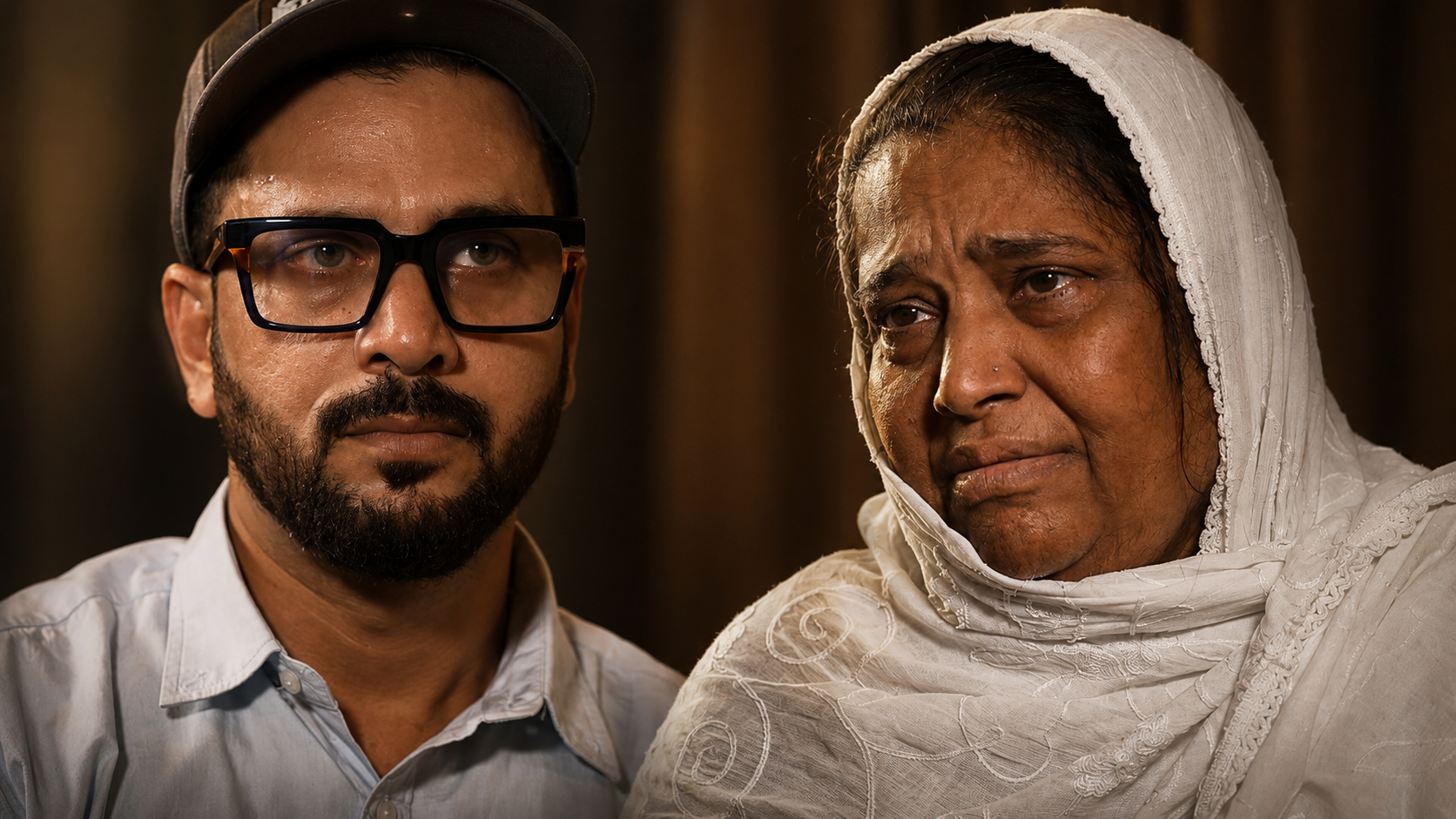
One aggrieved relative, speaking off the record—because they’re afraid of official reprisals, naturally—recounted the frustration. It’s [QUOTE_PLACEHOLDER] like shouting into the wind, they said, describing their interactions with various government agencies. They want someone to say, This was our fault, or This is what we’re going to do to make sure it never happens again. They haven’t gotten it. Just more forms, more committees, more delays.
But the true tragedy extends beyond individual stories of woe. It’s the erosion of public trust in state-backed institutions—the carriers, the regulators, the legal apparatus. When a plane falls and no definitive, widely accepted answer materializes quickly, citizens start asking pointed questions: If you can’t manage aviation, what else are you fumbling? It’s not just about one plane; it’s about the credibility of the entire governance structure.
And let’s not forget the economic implications. Confidence in a nation’s aviation sector directly impacts tourism — and international investment. Countries where aviation safety records are repeatedly questioned or investigations are perceived as inadequate often face repercussions, whether in terms of higher insurance premiums or reduced passenger numbers. It’s not just tragic; it’s bad for business. Pakistan, a country with its share of economic challenges, can ill afford further dents to its international image, particularly in critical infrastructure sectors like air travel. Policy-wise, the cost of accountability deferred almost always outweighs the cost of prompt, transparent action.
Some observers suggest that the current administration’s hesitance stems from a deeply ingrained cultural resistance to admitting fault at the highest levels. This reluctance, however, only prolongs the agony for victims — and paints a picture of a system afraid of introspection. It’s not a look that inspires investor confidence, or domestic tranquility.
What This Means
The drawn-out aftermath of Flight [PLACEHOLDER FLIGHT NUMBER] isn’t just a localized tragedy; it’s a stark indicator of broader governance issues within developing nations, particularly across South Asia. The inability or unwillingness to conduct prompt, transparent investigations into such high-profile disasters corrodes public trust from the inside out. For the families of victims, the indefinite wait transforms grief into resentment, fueling societal discontent against institutions meant to serve them.
Economically, persistent perceived lapses in aviation safety can impact everything from foreign direct investment to the vitality of tourism, stunting growth in nations already struggling for stability. Globally, it reinforces stereotypes about the competency of certain regulatory bodies, potentially leading to increased scrutiny or even sanctions from international aviation authorities. This could limit routes, increase operational costs, — and effectively isolate parts of the region’s air travel market.
Politically, such lingering unresolved cases create fertile ground for opposition criticism and demonstrate a lack of institutional muscle to manage complex crises effectively. The focus often shifts from preventative measures to reactive damage control—a costly, often futile exercise. It’s a recurring drama in these parts, reminding one of the enduring struggles for good governance—and often the need for deeper structural reforms across sectors. You see it in everything from silent gravestones and paper trails to cricket’s constant controversies.
Ultimately, until governments are compelled, perhaps by international pressure or significant internal reform, to prioritize genuine accountability over political convenience, incidents like Flight [PLACEHOLDER FLIGHT NUMBER] will continue to leave not just physical wreckage, but profound, lingering damage to national confidence and reputation. And that, frankly, is a more enduring catastrophe.