


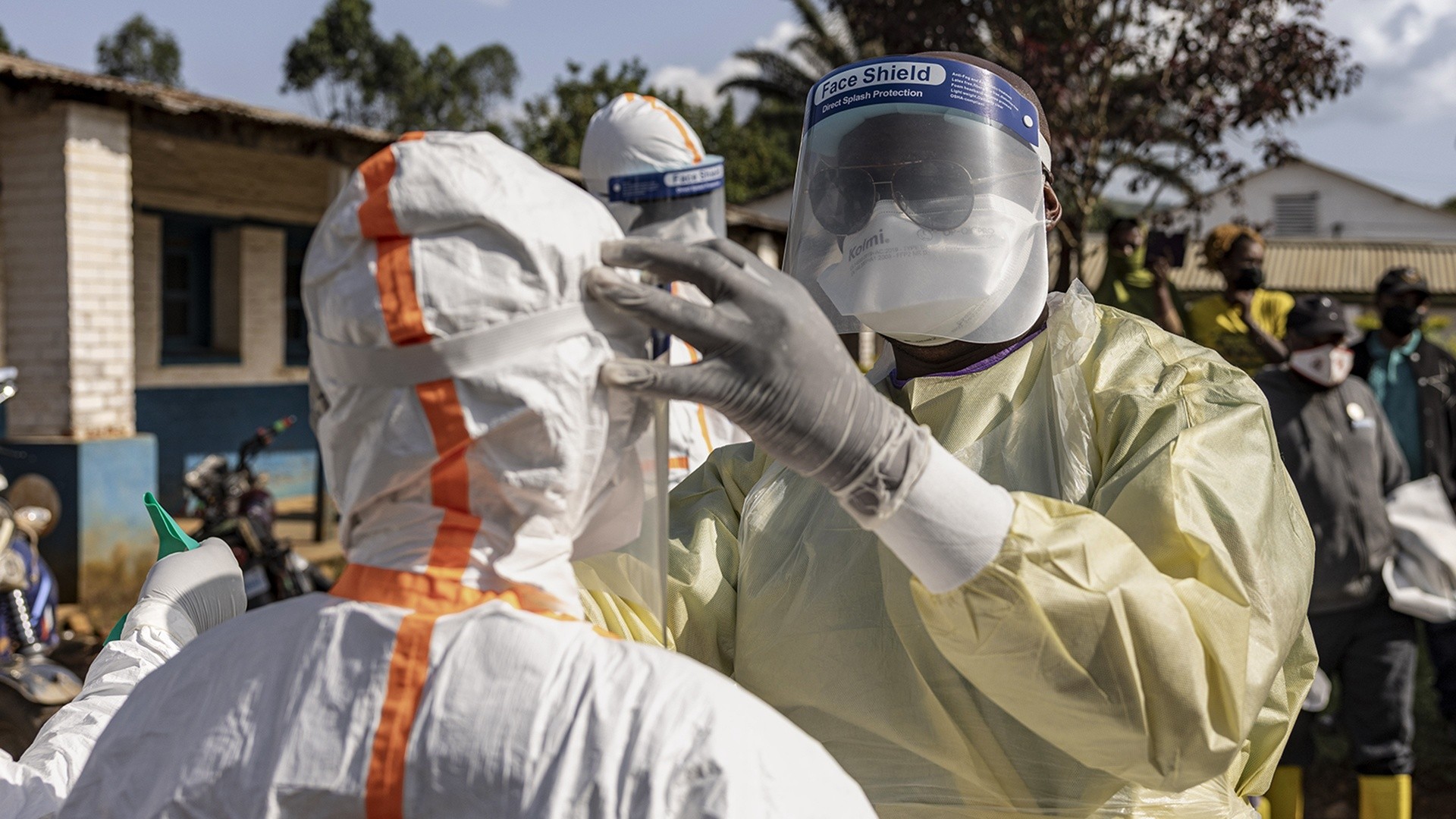
Containment or Controversy? US to Isolate Ebola-Exposed Citizens in East Africa
POLICY WIRE — Nairobi, Kenya — For those tracking the intricacies of global health diplomacy, it’s rarely just about the virus. Often, it’s about geography, perception, — and what you do...

POLICY WIRE — Nairobi, Kenya — For those tracking the intricacies of global health diplomacy, it’s rarely just about the virus. Often, it’s about geography, perception, — and what you do when your own backyard feels too small for comfort. Washington’s latest move—relocating American citizens exposed to the highly infectious Ebola virus from one African nation to a specially prepared facility in Kenya—isn’t simply a logistical exercise. It’s a quietly audacious foreign policy gambit, one that speaks volumes about national interest and the peculiar burdens of global leadership. Some call it pragmatism. Others might call it, well, rather neat.
It sounds simple enough on paper, doesn’t it? An arrangement whereby individuals with potential exposure get a secure, medically capable environment without taxing domestic infrastructure. But behind that seemingly straightforward solution lies a geopolitical calculation as dense as a Nairobi traffic jam. The decision to bring Americans who may have contracted Ebola back to the U.S. has always presented a unique set of challenges, igniting public anxiety — and demanding a resource-intensive response. Shifting that containment challenge to East Africa, particularly to Kenya, is certainly one way to navigate the political optics back home. You don’t have those worried news headlines quite so close to Main Street, after all. [QUOTE_PLACEHOLDER]
But there are deeper currents here. Kenya, long a strategic partner, gets a particular role in this international arrangement. Its medical community, already burdened with its own challenges—like combating diseases like HIV/AIDS and tuberculosis—now hosts a specialized unit for a pathogen largely foreign to its immediate borders. One might observe that the financial and technical assistance accompanying such an arrangement, while appreciated, invariably carries an unspoken weight. It isn’t just about fighting a disease; it’s about leveraging existing diplomatic ties in unexpected ways.
And let’s be frank: the specter of disease, whether real or perceived, is a powerful motivator for policy. You remember how fears, perhaps disproportionate, shaped responses during past outbreaks? This situation is no different. The United States has had its share of public health scares, often leading to calls for extreme measures, even when science suggested otherwise. So, establishing a foreign ‘safe harbor’ for its citizens exposed abroad offers a controlled environment, yes, but also acts as a convenient pressure release valve for domestic public opinion. It’s an exercise in risk mitigation, certainly, but also in image management. One can’t dismiss the internal political expediency of this move.
Because, from the perspective of nations across the Muslim world and South Asia, this kind of arrangement often looks like something more than pure altruism. They’ve watched as Western nations occasionally treat their regions as zones for managing problems, whether security-related or, now, epidemiological. Think about the discussions that would arise in Islamabad or Dhaka if Pakistan or Bangladesh were asked to host such a facility for a disease originating elsewhere. It’s a fine line to walk, managing a health crisis while simultaneously navigating perceptions of sovereignty and equitable burden-sharing. A significant portion of US global health assistance, for example, targeting issues like maternal health or HIV/AIDS, is routed through non-governmental organizations in countries across these regions, representing a complex web of influence and interdependence. This specific Ebola initiative, though different in scope, adds another layer to that ongoing dialogue about international partnerships.
the precise nature of the facility in Kenya—how it’s staffed, equipped, and its long-term operational costs—isn’t exactly common knowledge. Will it be entirely American-managed, or a collaborative effort? That distinction carries substantial political weight. The arrangement isn’t a secret, but details remain somewhat opaque to the wider public, leaving ample room for speculation and, in some corners of the world, cynicism. It’s always easy to fill in the blanks when information isn’t comprehensive, especially when trust isn’t absolute. You get why people start connecting the dots themselves.
The Ebola virus, for all its terrifying virulence, often leaves an economic scar too. In countries susceptible to outbreaks, even the threat can paralyze economies, disrupting trade — and tourism. While this particular relocation concerns Americans, the precedent it sets could be seen as insulating a powerful nation from some of the logistical headaches, while subtly (or not-so-subtly) exporting a certain type of biohazard management to a less wealthy partner. For context, the World Health Organization reported over 11,300 deaths during the 2014-2016 West African Ebola epidemic, underscoring the severe human and economic toll these outbreaks inflict globally, not just in their countries of origin. These aren’t mere health emergencies; they’re tests of global interdependence, — and frankly, of global priorities.
But who really wins? The Americans, for ensuring their exposed citizens are cared for without generating a domestic panic. The Kenyan government, for solidifying diplomatic ties — and potentially receiving an influx of resources. Yet, the cost, while perhaps not financial for Washington, lies in the subtle reinforcement of a narrative about where responsibility for infectious disease management ultimately rests. It’s a calculation that might seem pragmatic today, but whose long-term implications are, shall we say, still germinating.
What This Means
This decision, despite its apparently clinical nature, injects significant political and economic currents into the global discourse on public health. Politically, it signals a quiet shift in how the US intends to manage expatriate health crises. It’s an attempt to compartmentalize, to create distance from domestic anxieties, potentially setting a precedent for future responses to infectious disease threats abroad. For countries like Pakistan, often beneficiaries of US health initiatives, it reinforces questions about self-reliance versus foreign assistance, and the strategic underpinnings of international partnerships.
Economically, while specific monetary benefits for Kenya aren’t explicitly detailed, the operational funding and infrastructural investment required for such a facility would represent a boost, however localized. However, the optics could also create a latent economic risk; should global perceptions of Kenya shift from a safari destination to an ‘Ebola holding center,’ however unfair, tourism and foreign investment might suffer in the long run. There’s a subtle yet important psychological toll that comes with hosting high-risk medical operations. This move forces a broader re-evaluation of how affluent nations and developing economies share the practical and perceptual burdens of global health security.