


Desert Scars, Pentagon Promises: New Mexico Forces Air Force Hand on PFAS Contamination
POLICY WIRE — Santa Fe, N.M. — For almost a decade, the quiet high plains around Cannon Air Force Base have been brewing a toxic stew—a cocktail of what scientists ungracefully call Per- and...

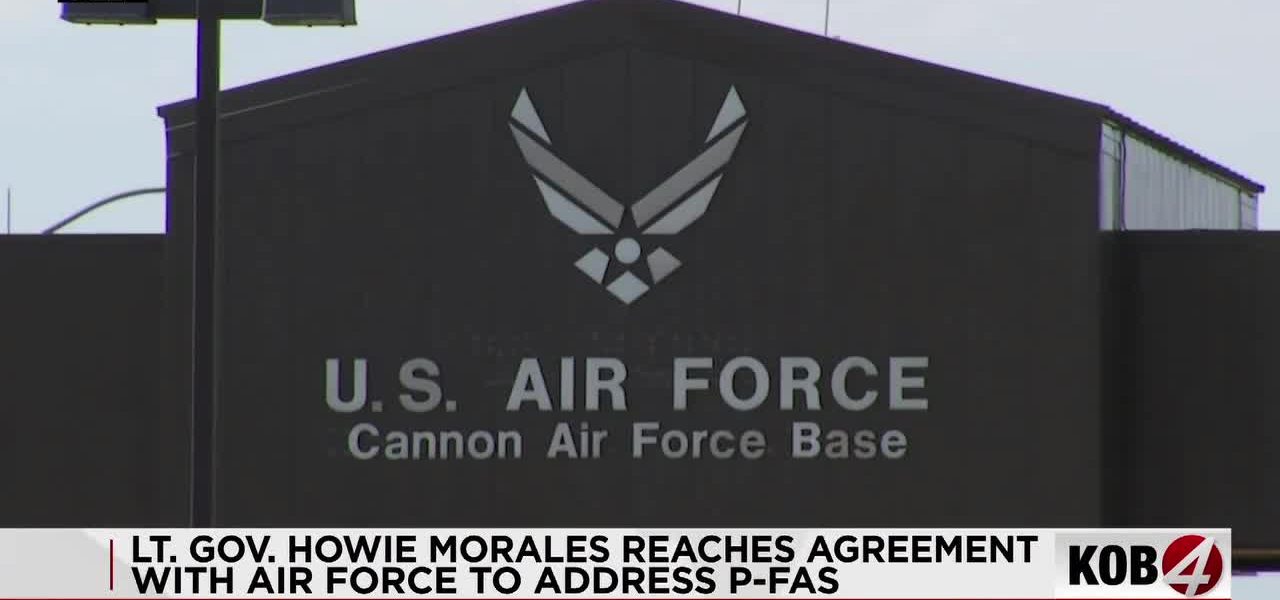
POLICY WIRE — Santa Fe, N.M. — For almost a decade, the quiet high plains around Cannon Air Force Base have been brewing a toxic stew—a cocktail of what scientists ungracefully call Per- and Polyfluoroalkyl Substances, or PFAS. These aren’t just tongue-twisters; they’re forever chemicals, remnants of jet-fuel firefighting foams the Air Force enthusiastically doused the landscape with. And for those eight-plus years, New Mexico officials have been pounding on bureaucratic doors, demanding accountability for drinking water poisoned by military might. Now, it seems, they’ve gotten a verbal nod—a handshake deal in a land often defined by hard lines.
It’s less a victory march — and more a wary truce, but it’s movement. Lt. Governor Howie Morales just trudged back from Washington, D.C., touting what he’s calling a “breakthrough.” After endless back-and-forth—a legal wrangle that’s been grinding since 2019—the Air Force, apparently, has agreed to sit down at the table, not across a courtroom. You see, these chemicals, insidious as they’re, don’t respect fence lines. They leach, they spread, and they’ve been showing up in the drinking wells of Curry County residents, just outside the base perimeter. It’s an old story, frankly, played out with new contaminants.
“Look, we’re not naive. But we’ve moved past the stalemate,” Morales reportedly quipped after his return, perhaps with a dry smile only a veteran negotiator could manage. “The Air Force needs New Mexico—access to our land, our information—and frankly, our communities need them to act like responsible neighbors. It’s about bloody time we put heads together.” This isn’t just about New Mexico; it’s a template for accountability for a Department of Defense grappling with PFAS contamination across hundreds of bases stateside and overseas, from Germany to Japan.
Under this fresh, albeit still unpenned, accord, the New Mexico Environment Department (NMED) is supposed to take the lead on groundwater sampling, a critical piece of the remediation puzzle. It sounds logical, right? The locals manage the local mess. But this whole episode isn’t exactly a testament to swift federal action. Think of the bureaucratic molasses involved. It’s truly a test of wills, or perhaps just wills of paperwork.
Because, make no mistake, this deal is currently just that: words. Environment Secretary James Kenney, reportedly no stranger to Washington’s often glacial pace, is slated to jet out next week, hoping to turn those spoken promises into actual, binding ink. If he doesn’t, well, everyone’s back to square one, albeit with a whole new layer of frustration.
📄 POLICY WIRE WHITEPAPER PUBLISHED: PAKISTAN'S NATIONAL SECURITY POLICY PRIORITIES
👉 READ BY CLICKING HEREBut the problem, folks, extends far beyond the sun-baked plains of eastern New Mexico. These chemicals, PFAS, they’re global contaminants, showing up in places you’d least expect. We’ve seen similar, complex environmental negotiations — often more protracted, certainly less transparent — play out in regions like Pakistan, for instance, where aging industrial infrastructure and military sites present their own unique, but equally damaging, legacies. The United Nations Environment Programme, in its 2022 assessment, estimated that PFAS contaminates drinking water for over 200 million people worldwide, highlighting just how expansive this ‘forever chemical’ dilemma truly is. It’s a sobering thought, isn’t it? Our military’s legacy in other nations carries environmental footnotes that rarely make it to the headline. This struggle in New Mexico is a stark, local echo of a massive, quiet global burden.
“We’ve consistently acknowledged the environmental impact of legacy firefighting foams at our installations,” offered a cautiously phrased statement from a Pentagon spokesperson, who asked not to be directly named given the ongoing negotiations. “Our commitment is unwavering to addressing these concerns with our state partners in a collaborative, scientifically-driven manner.” Translation: We know it’s a problem, we’re working on it, just don’t expect miracles. That’s boilerplate, sure, but after eight years, any official admission of shared responsibility feels like progress, no matter how incrementally delivered.
What This Means
This verbal agreement, once formalized, marks a begrudging, bureaucratic retreat from a prolonged environmental skirmish. Politically, it’s a win for New Mexico Governor Michelle Lujan Grisham’s administration, allowing them to demonstrate they can wrestle concessions from a formidable federal adversary. It’s not just about clean water; it’s about state sovereignty, pushing back against federal inertia. Economically, however, the implications are substantial. The true cost of remediation for PFAS contamination is staggering. These aren’t just simple clean-ups; they involve complex filtration systems, source containment, and potentially, long-term monitoring that could run into hundreds of millions. Think about the costs. Who really pays for it all? Uncle Sam, sure, but that’s still taxpayer dollars—your money, my money. And there’s a strong ripple effect for property values around affected areas, the health burden on communities—a burden often disproportionately carried by rural, underserved populations. The challenges New Mexico faces in an increasingly arid future only amplify the pressure on pristine water sources, making every drop, every well, all the more precious. This agreement, while welcome, isn’t an endgame. It’s just the opening salvo in a very, very long — and expensive war against persistent pollutants.