


Suburban Silence Shattered: Airbnb Nightmare Unmasks Deeper Social Rot in Albuquerque
POLICY WIRE — Albuquerque, United States — It happened like most of these things do: a typical Monday afternoon in a quiet, sun-drenched pocket of Albuquerque, a place where the biggest thrill might...

POLICY WIRE — Albuquerque, United States — It happened like most of these things do: a typical Monday afternoon in a quiet, sun-drenched pocket of Albuquerque, a place where the biggest thrill might be a good sunset over the Sandias. Kids probably playing, folks winding down from work. Then the sirens screamed, the tactical gear descended, and a tranquil Watercress Street — just off Alameda and I-25 — became a stage for a very nasty, very public kind of terror. This wasn’t some downtown drug bust; it was the chilling climax to a personal nightmare, playing out right under the big, blue New Mexico sky.
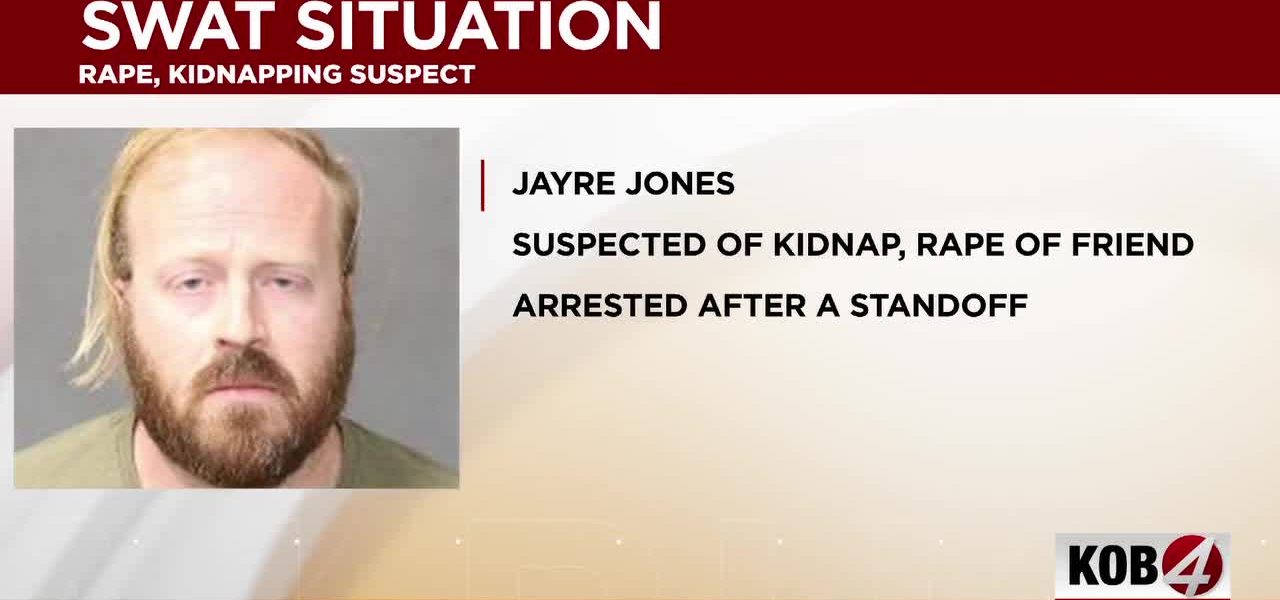
Police ultimately pulled Jayre Jones from an Airbnb, after what authorities are calling a horrifying ordeal involving a woman, a friend he’d allegedly held against her will and raped. Think about that for a second: a temporary rental, meant for fleeting stays and anonymous comfort, reportedly twisted into a chamber of confinement. It’s a gut-wrenching turn, illustrating just how quickly the veneer of everyday safety can crack, no matter where you are or who you think you know.
Albuquerque’s Police Department, usually dealing with its share of street-level scuffles and car thefts, had a far more disturbing scenario on its hands. SWAT teams, crisis negotiators—the full, intense package—converged on the scene. And it’s not a rare thing, sadly. According to the National Sexual Violence Resource Center, one in three women in the United States will experience some form of sexual violence in their lifetime. This wasn’t just a local blot on a clean map; it’s a symptom of a far deeper malaise.
Chief Harold K. Singh of the Albuquerque Police Department didn’t mince words. “When you’ve got alleged crimes of this magnitude—sexual assault and kidnapping—our priority shifts instantly. The sheer courage of the victim to report, to stand up, it drives every officer’s response. We’re talking about lives irrevocably changed here, not just statistics on a report,” he stated, his voice tight with an anger that wasn’t hard to grasp. You can see it in their eyes, the seasoned cops who’ve seen too much.
The city’s political machinery, meanwhile, scrambled to offer assurances. Mayor Tim Keller, a man whose public appearances usually involve ribbon cuttings and cheerful press conferences, found himself addressing a public unsettled by the domestic violence lurking in ostensibly safe havens. “Incidents like these shake us to our core,” Mayor Keller admitted, projecting a calm but resolute demeanor. “But our swift, decisive police action proves one thing: we won’t let our city become a place where vulnerability is preyed upon without severe consequence. This sort of thing isn’t just a police problem; it’s a community problem we all have to face.”
But the ramifications stretch further than just this incident. This isn’t a standalone horror. It makes you wonder about the transient economies, these Airbnbs, these spaces shared with strangers—or in this case, someone allegedly known but terrifyingly transformed. Are they truly safer than a hotel? Who’s checking on the guests, really, beyond a star rating — and a credit card? It’s a Wild West scenario, some might say, especially when things go south, fast.
And let’s not pretend this is an American anomaly. This erosion of trust, this sudden rupture of peace in private dwellings, echoes similar narratives across the globe. You see it in burgeoning metropolises, where rapid urbanization outpaces social infrastructure, where informal economies thrive, sometimes enabling an undercurrent of peril. Pakistan, for instance, has grappled with its own complex web of public safety concerns, particularly those affecting women. Efforts there, like the implementation of anti-harassment helplines and enhanced legislation, recognize the gravity of violence within ostensibly safe environments, illustrating a global, often frustrating, battle to secure individual dignity and physical safety.
But back in Albuquerque, Jayre Jones is cooling his heels in Bernalillo County jail. A standard procedure. What’s less standard is the question hanging in the air, for property owners, for city planners, for everyday folks just wanting to feel safe where they lay their head. Because what’s a ‘safe space’ when it can turn on you like that, when a supposed friend becomes the monster behind the bolted door?
What This Means
This episode, while ostensibly a singular crime, carries significant political — and economic undertones for Albuquerque. Politically, it spotlights the perennial challenge for municipal leadership: maintaining a perception of public safety amidst rising crime concerns, particularly when they manifest in unexpected domestic or quasi-domestic settings. Mayor Keller’s statement is an immediate damage control exercise, assuring residents and visitors alike that the city isn’t devolving into chaos. This could easily fuel calls for increased police presence, or renewed debates over how deeply authorities should regulate short-term rental platforms—a hot-button issue in many tourist-dependent cities.
Economically, there’s a quiet dread. Incidents tied to Airbnb specifically can trigger ripples through the local tourism sector. Albuquerque relies on its allure—its culture, its landscapes—but a sustained narrative of insecurity, particularly affecting temporary residents, could spook visitors. Property values in specific neighborhoods, or even the broader desirability of the city as a temporary stay destination, might see a minor hit, although isolated incidents rarely cause lasting economic dents. The larger implication, however, involves the intangible ‘trust economy’ that platforms like Airbnb depend on. If hosts or guests perceive heightened risks, it shifts market behavior, perhaps favoring more traditional, regulated lodging. This isn’t just about a guy in jail; it’s about the brittle contract between citizens, service providers, and the authorities meant to keep order in our increasingly porous, digital-first world.