


Inferno’s Whispers: New Mexico’s Dry Thunderstorms, A Grim Climate Omen for the Arid West
POLICY WIRE — Albuquerque, N.M. — It’s more than just a scorcher heading for New Mexico. The forecast of ‘dry thunderstorms’ in the northeastern reaches of the state this weekend, coupled with an...

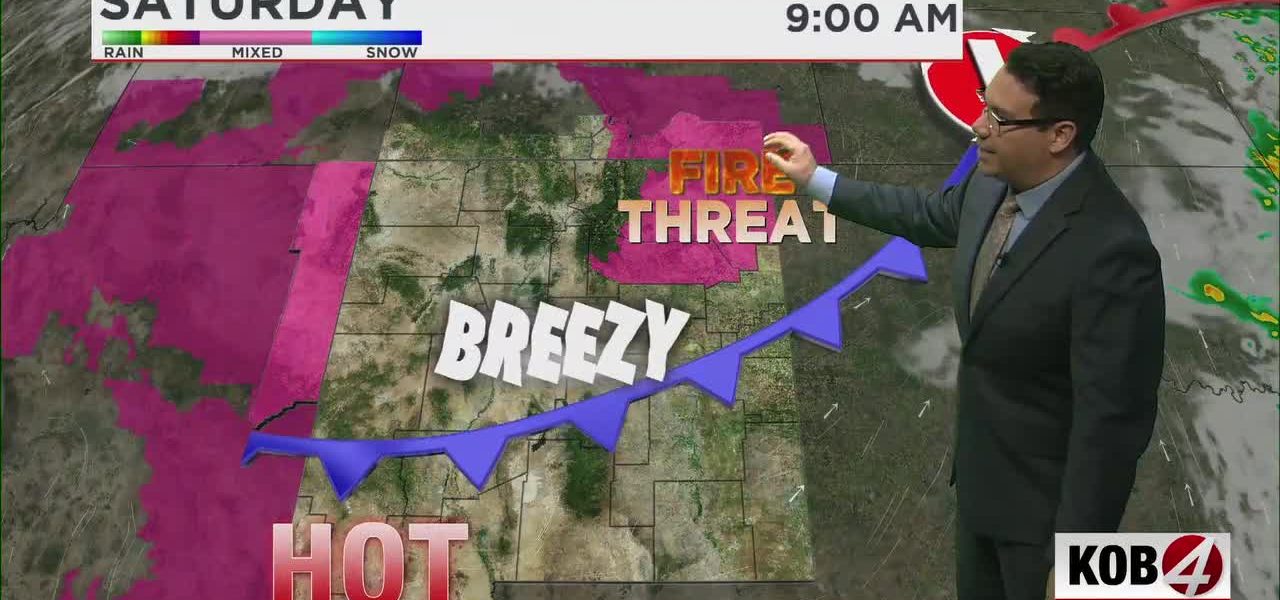
POLICY WIRE — Albuquerque, N.M. — It’s more than just a scorcher heading for New Mexico. The forecast of ‘dry thunderstorms’ in the northeastern reaches of the state this weekend, coupled with an escalating heatwave and winds kicking up to 40 mph, paints a far grimmer picture than mere meteorological inconvenience. This isn’t just about residents fanning themselves a little harder; it’s a raw, unfiltered snapshot of a region grappling with a changing climate, and the slow, grinding policy dilemmas it throws into sharp relief.
Because, really, when you talk ‘dry thunderstorms’—which, for the uninitiated, means lightning without rain, a fire starter’s dream—in an already parched landscape, you’re not just discussing Friday’s weather. You’re talking about a landscape stretched thin, brittle, waiting for a spark. And we’re not talking about some one-off anomaly. Temperatures consistently 5 to 15 degrees above the mid-May average? That’s not just a warm spell. It’s a pattern, pushing New Mexico’s high desert ecosystem—and the people who live within it—closer to a precipice. Albuquerque might sweat at 90 degrees, Roswell at mid-90s, Carlsbad touching the high 90s. But those numbers represent more than just discomfort; they symbolize escalating risk.
“We’re not just forecasting heat; we’re staring down the barrel of an altered future,” New Mexico Governor Michelle Lujan Grisham reportedly stated earlier this week, her voice likely betraying an urgency that polite political language often struggles to convey. “Every dry thunderstorm, every record-high temperature, it’s a policy challenge—a demand for sustainable solutions we’d be fools to ignore. Our water, our land, our very way of life is at stake.” And she’s not wrong. The state already relies on a delicate balance of snowfall and seasonal rains that are becoming increasingly unreliable. This relentless pressure isn’t just felt at the statehouse, either; it trickles down.
Dr. Elias Chavez, Director of New Mexico’s State Hydrology Department (a job that must be feeling less like science and more like triage these days), echoed the sentiment with a pragmatic weariness. “Folks in Santa Fe — and Albuquerque might just crank the AC, but what about the farmers? The rural communities? Their livelihoods—their entire generational connection to the land—hang on a very different thread. It’s not just discomfort; it’s existential for them.” His point hits hard. Agriculture in the state, from pecans to chile peppers, relies heavily on irrigation sourced from rivers whose flows are dwindling.
📄 POLICY WIRE WHITEPAPER PUBLISHED: PAKISTAN'S NATIONAL SECURITY POLICY PRIORITIES
👉 READ BY CLICKING HEREThis situation isn’t confined to the Land of Enchantment, of course. It’s a recurring drama on a far larger stage, a dress rehearsal, perhaps, for regions where the margin for error is razor-thin. Think about countries like Pakistan, for instance, where an estimated 29 million people face high to extremely high water scarcity, often battling crippling heatwaves and erratic monsoon seasons. They’re struggling with similar problems, but without New Mexico’s relatively robust (though increasingly strained) institutional scaffolding or financial wherewithal. Their droughts and floods aren’t just inconvenient; they ignite social unrest, push mass migration, and destabilize fragile governments. So, when the National Climate Assessment projects a 5-10% decrease in mean annual precipitation for the Southwest by mid-century—alongside a significant rise in extreme heat days, a trend that’s already chipping away at agricultural viability and water reserves—you don’t just see a local weather pattern. You see the tendrils of a global crisis tightening its grip, everywhere from the Chihuahuan Desert to the Indus Basin.
What This Means
The implications here are broader than a weekend forecast. This persistent cycle of heat, dryness, and incendiary weather events (like dry thunderstorms) isn’t just an inconvenience; it’s an accelerant for economic and political friction. Economically, prolonged drought impacts agricultural output, hiking food prices and challenging the viability of rural communities. The recreational tourism industry, a significant revenue driver for New Mexico, also suffers from fire closures and diminished outdoor activity. Politically, scarce water resources historically lead to interstate disputes—like the ongoing tensions over the Colorado River—and demand significant public funds for infrastructure adaptations (dams, pipelines, desalinization, etc.). the constant threat of wildfire demands massive investments in firefighting — and land management. It’s an issue that transcends partisan divides, compelling governors, senators, and local officials to make difficult choices about allocation, development, and long-term sustainability. Failure to adequately adapt could well transform these periodic forecasts into chronic emergencies, perpetually straining budgets and societal resilience.