


Desert Endurance: Sandia Peak Tramway’s Six Decades as a Geo-Economic Barometer
POLICY WIRE — Albuquerque, New Mexico — It isn’t often a piece of infrastructure defies the usual rhythms of wear and obsolescence for sixty years. Most public projects—your bridges, your bus routes,...

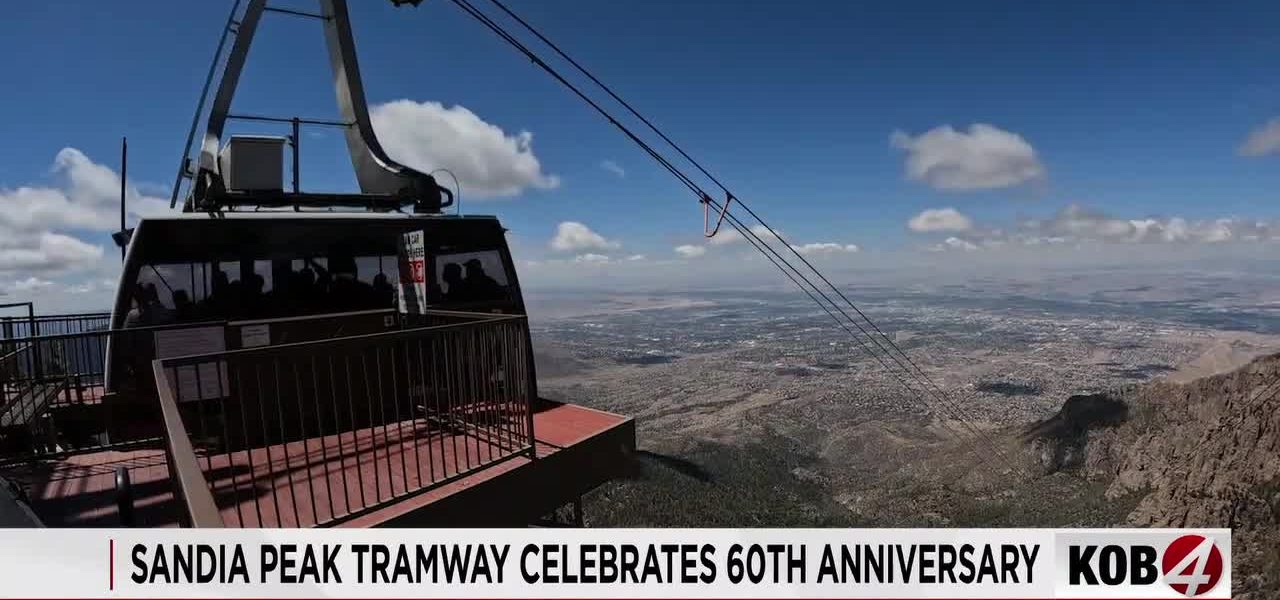
POLICY WIRE — Albuquerque, New Mexico — It isn’t often a piece of infrastructure defies the usual rhythms of wear and obsolescence for sixty years. Most public projects—your bridges, your bus routes, heck, even some political careers—tend to fray, break down, or simply vanish from relevance well before such a milestone. Yet, perched defiantly above Albuquerque, the Sandia Peak Tramway, a singular steel artery ascending the monumental Sandia Mountains, now clocks six decades of uninterrupted operation, its longevity offering a stark, elevated lesson in something usually ground-bound: sustained economic viability and civic resolve.
It’s a peculiar thing, seeing a modern urban center framed by such an anachronism. A massive, high-altitude cable car doesn’t scream twenty-first century. But it works. It keeps pulling thousands upwards, a quiet triumph in a world obsessed with the new, the disruptive. What does it tell us, really, when an old steel wire outlasts so many fleeting trends and grander, costlier initiatives?
Jay Blackwood, a man who knows this behemoth probably better than its own blueprints, was just 15 when the tram first hummed to life in 1966. “We were a bunch of kids, really,” he recollects, the kind of casual reflection you only get from someone who’s seen the whole show. “Threw us right into something brand-new, this huge thing.” He started as a “dock rat,” a general purpose gofer, cleaning, shoveling, loading. Now, sixty years — and more job titles than you’d care to list later, he’s still there. He’s watched analog controls that felt like a “Swiss watch” get phased out for touchscreens—no surprise there, progress always catches up.
Because, despite its quaint origins, this isn’t just some rusty relic. General Manager Michael Donovan, overseeing its current run, says they’re always upgrading. Next year? New carriages. A whole new hanger system that’ll swap an A-frame for a sleeker T-frame, altering its profile. It’s all meant to make it more wind-resistant, among other things. Donovan insists, though, that “we’ll never change the experience that you get to climb up 4000 vertical feet, 2.7 miles in the views from the top of the mountain.” It’s not just a ride; it’s an institutionalized perspective.
This commitment to sustained operation and upgrading isn’t just about preserving a tourist attraction; it reflects a broader civic investment in public, experiential assets. Unlike ephemeral start-ups or boom-and-bust sectors, the tramway’s predictable utility—and indeed, its charm—is precisely its steadfastness. In fact, it remains a significant draw for a city like Albuquerque, contributing consistently to its modest tourism economy, an aspect often undervalued when flashy new projects grab headlines.
What This Means
The Sandia Peak Tramway’s sixtieth anniversary isn’t just some localized feel-good story; it’s a policy case study. What makes an expensive piece of recreational infrastructure last this long, continually upgraded, consistently popular, and, one assumes, fiscally solvent? It boils down to a confluence of careful management, essential maintenance, and an enduring unique selling proposition (who else has this view?). Consider nations grappling with their own grand infrastructure projects—whether the Karakoram Highway’s ambitious mountain passes in Pakistan or myriad rail links across South Asia—the lessons are eerily similar. Long-term investment isn’t just about construction; it’s about persistent, often unsung, commitment to upkeep and adaptation. Many governments, particularly in the developing world, launch splashy projects only to see them crumble from a lack of operational foresight or consistent funding, leading to cycles of disrepair and rebuilds that drain public coffers and trust. This tramway, by contrast, demonstrates that thoughtful maintenance isn’t just a cost; it’s a multiplier, sustaining both asset value and the intangible benefit of reliable public service.
And then there’s the broader economic ripple. A facility drawing tens of thousands annually—a statistic Jay Blackwood, having personally loaded countless passengers, could probably confirm down to the decimal—injects cash directly into local businesses. Donovan confirms, anecdotally at least, that visitors don’t just ride; they buy tickets, they eat at the café, they hit the trails. This consistent revenue stream, even if it feels small-time compared to mega-resorts, contributes to regional economic stability—a quiet backbone to what often feels like a tumultuous local policy landscape.
it hints at a larger geopolitical undercurrent. A stable, reliable infrastructure project in the American Southwest might not seem to bear much resemblance to, say, the grand visions for high-speed rail corridors through Bangladesh, but the underlying principles of securing investment, ensuring operational integrity, and guaranteeing safety are universally critical. One can imagine state planners in Dhaka or Islamabad looking at any infrastructure project that has endured 60 years and wishing for just a fraction of that consistency. For all its altitude, the tram provides an unusually grounded perspective on economic resilience — and public investment.