


South America’s Unyielding Spirit: Cruzeiro’s Ten Men, a Continental Statement, and the Unseen Economy of Grit
POLICY WIRE — Santiago, Chile — There’s a particular kind of narrative that only a football pitch in South America seems to conjure. It’s not just about the ball, or the net—it’s...

POLICY WIRE — Santiago, Chile — There’s a particular kind of narrative that only a football pitch in South America seems to conjure. It’s not just about the ball, or the net—it’s about the very raw, often brutal, poetry of survival. About bending but not quite breaking, even when the deck’s stacked against you. That gritty refusal to yield, a cultural heartbeat as potent in Brasília’s corridors of power as it’s on a wind-swept stadium turf, truly came to a head this week.
For Cruzeiro, the celebrated Brazilian outfit, their 0-0 stalemate against Universidad Católica of Chile in the Libertadores group stage wasn’t just a draw; it was a defiant snarl in the face of what felt like inevitable defeat. It wasn’t pretty. But then, politics often isn’t. The numbers might say one thing on paper, but the game, like governance, plays out in far more complex hues.
The central plot twist, naturally, involved numbers: specifically, one less player for a substantial chunk of the match. For the second time in as many outings, forward Rafael Elias ‘Arroyo’ found himself exiled early—a dismissal mirroring the previous weekend’s derby clash against Atlético-MG. Losing a man is never ideal, but especially not when you’re away from home, the stakes are sky-high, and the air itself feels charged with the opposition’s expectations. But, hey, sometimes you’re just down a vital vote in parliament too, aren’t you? It makes you get creative. It forces you to rethink everything.
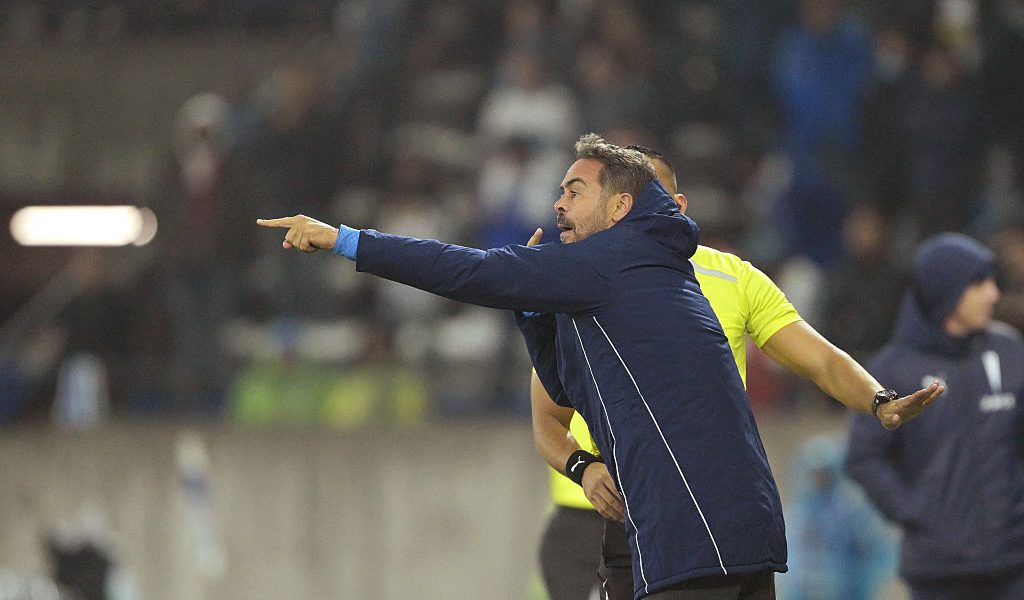
Because even with a tactical disadvantage that would send lesser teams —or indeed, less seasoned governments—into a full-blown tailspin, the club, under the tutelage of Portuguese manager Artur Jorge, somehow held the line. They hunkered down. They defended. They made themselves terribly difficult to break, allowing the Chilean squad a frustratingly minimal number of real scoring opportunities. And when Universidad Católica *did* manage to find a window, Otávio, their man between the posts, was a stone wall. Some might even say he pulled off an administrative miracle. It’s what you do when facing down economic projections that look bleak, don’t you think?
But this isn’t merely about an admirable, if scrappy, performance. This unglamorous draw, plucked from the jaws of a numerical imbalance, speaks volumes about the enduring competitive spirit that defines not just the Libertadores, but a good chunk of life south of the Panama Canal. There’s an economic undercurrent here, too. These clubs aren’t just sporting entities; they’re economic engines, cultural touchstones, and —yes—often reflections of their nation’s aspirations and anxieties. When CONMEBOL, South America’s football governing body, publishes its annual economic impact reports, they consistently show that regional football directly contributes upwards of an estimated $10 billion annually to local economies across its member nations. It’s a vast enterprise, far beyond ninety minutes.
“This result, it shows the heart of Brazilian football,” remarked Artur Jorge, post-match, his voice thick with a mix of exhaustion and pride. “We didn’t just play with ten men; we played with the soul of a nation. It wasn’t about flair today; it was about sheer bloody-mindedness. It’s a mentality you can’t buy, can’t train for, you just either have it or you don’t. And my boys, they had it.”
His sentiment echoed across the continent, even finding a distant resonance with societies grappling with their own systemic hurdles. Take Pakistan, for instance, a nation where the fervor for sports—cricket, specifically—mirrors this South American devotion. The economic implications of their national teams’ performances, the unifying power amidst political headwinds, the sheer nationalistic charge; these are not isolated phenomena. They’re human responses to competition, whether on a field or a global stage, and they dictate national mood, consumer spending, and often, political capital. The relentless pressure, the expectation to deliver despite internal strife—it’s a universally understood narrative.
“The Libertadores is not for the faint of heart, or for teams that can’t adapt when circumstances turn ugly,” offered Alejandro Domínguez, president of CONMEBOL, his official statement circulating hours after the match. “Every point fought for in these conditions builds character, not just for the team, but for the entire footballing ecosystem. It reinforces the league’s global standing as a truly uncompromising crucible of talent and, crucially, will.”
And he’s got a point. What might look like a simple draw, a non-event to casual observers, tells a deeper story. It’s about grit, sure. It’s about not giving up, undoubtedly. But it’s also about a system where outcomes, like public policy or economic recovery, are forged in the crucible of extreme pressure. It reminds us that often, the most significant victories aren’t found in comfortable triumphs, but in holding your ground when everyone expects you to fall.
What This Means
This match isn’t just a sports footnote; it’s a micro-drama with macroeconomic ripples. For Cruzeiro, holding their position in the group stage—and thus remaining competitive in one of the world’s richest continental club tournaments—means continued access to lucrative broadcasting revenues, vital sponsorship deals, and significant prize money that underpins their operational budgets. A collapse here wouldn’t just be embarrassing; it would be financially catastrophic, potentially triggering a chain reaction of fan disillusionment and reduced commercial interest. On a broader level, such resilience maintains the high-stakes narrative of South American football, a narrative that fuels regional tourism, invigorates local economies through merchandise and matchday spending, and provides a crucial outlet for national pride and identity.
But the broader implications stretch beyond just coin. In a region frequently marked by political volatility and economic uncertainty, the enduring drama and unwavering fight of teams like Cruzeiro offer a form of resilient civic pride. This sort of fight isn’t just inspiring; it subtly reinforces the idea that collective effort and strategic defense can overcome significant handicaps, a lesson that finds parallel resonance in national planning committees and international negotiations. It’s about the subtle but palpable morale boost that, however briefly, eclipses everyday struggles, creating a unifying sentiment that’s powerful—and, for a few hours at least, quite economically significant. Sometimes, it’s all about not losing ground.