

Alfalfa Field Anarchy: The All-American Rejects’ Stealth Gig Rattles Albuquerque’s Entertainment Economy
POLICY WIRE — Albuquerque, N.M. — It wasn’t a planned civic engagement, nor a meticulously orchestrated economic development scheme. No, this was pure, unadulterated chaos – a rock concert detonating...

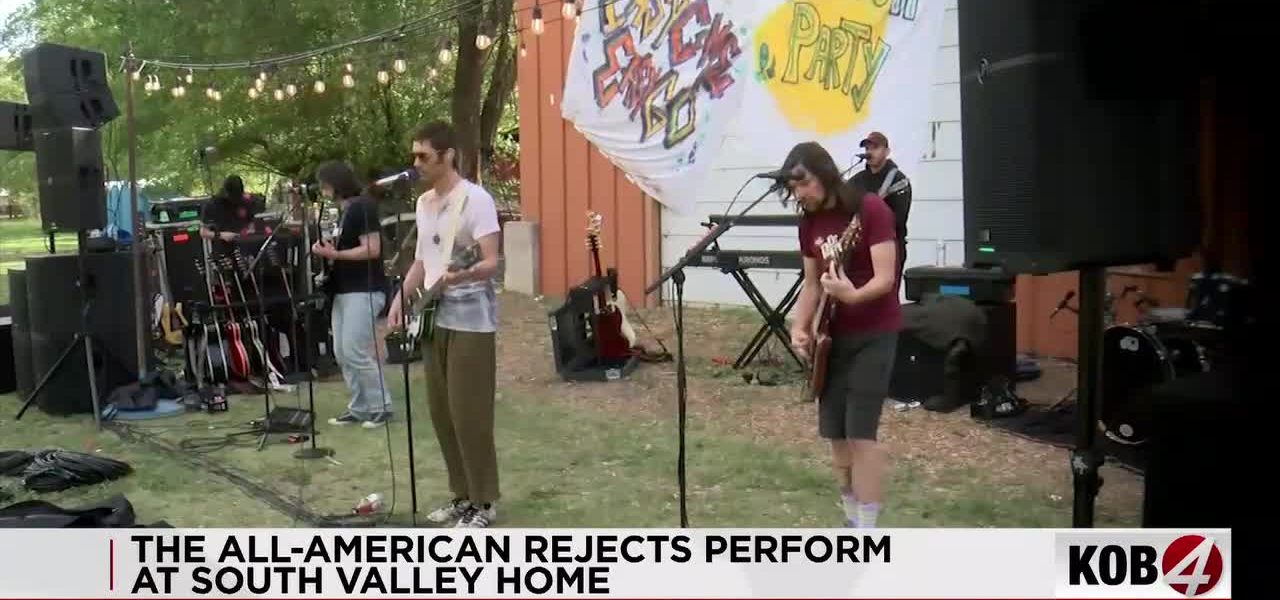
POLICY WIRE — Albuquerque, N.M. — It wasn’t a planned civic engagement, nor a meticulously orchestrated economic development scheme. No, this was pure, unadulterated chaos – a rock concert detonating without warning in an anonymous alfalfa field just outside Albuquerque’s South Valley. The All-American Rejects, veterans of pop-punk anthems, decided conventional venues and exorbitant ticket prices just weren’t their jam anymore. So, they embraced guerrilla tactics, unleashing a “House Party” series that, for one raucous Wednesday night, transformed private property into a spontaneous festival ground.
It’s a gritty, almost desperate, counter-punch to the monolithic entertainment industry. Because let’s face it, getting to a big show these days often feels like qualifying for a home loan, not enjoying a good time. Tyson Ritter, the band’s frontman — and bassist, didn’t mince words. “The whole tour, the message we’re trying to get across is what’s happened with concerts in general,” Ritter declared, speaking from what essentially amounted to a hastily erected stage amidst New Mexico’s scrub brush. “It’s become a one-percenters club to have access to the one commodity we need for togetherness, which is music.” A biting assessment, you’d say, and one that resonates far beyond this sun-baked stretch of America. It speaks to a global phenomenon, really—where communal experiences are increasingly gated by wealth, a dynamic observed in major cities from London to Lahore, where grassroots movements often arise to fill the void left by inaccessible, commercialized art forms.
Fans were scrambling, desperate for coordinates, mere hours before showtime. They’d signed up for alerts, crossing their fingers. When the message finally dropped around 5:55 p.m., a deluge of cars and foot traffic descended upon the unassuming neighborhood. Jackeline — and Thomas Ingham, the unwitting landowners, suddenly found themselves hosting thousands. Jackeline, initially suspicious of the band’s manager calling to set it all up, hung up the phone. “And I thought it was a scam,” she confessed, her incredulity still palpable, “so I hung up.” Thomas, bless his practical soul, reportedly told her to call back. Suddenly, their spread, previously reserved for mundane weddings, was hosting an honest-to-god rock concert. That’s a stark upgrade, you’d agree.
New Mexico, mind you, isn’t exactly flush with disposable income for pricey entertainment. Its poverty rate often hovers near 18-20%, according to recent U.S. Census Bureau data, meaning these kinds of free, albeit chaotic, events are more than just a novelty; they’re an act of genuine accessibility for many. For hours, folks within a 124-mile radius, as reported by local news outlet KOB 4, tried to divine the secret location, fueled by internet whispers and a collective yearning for a good, free show. And why not? Albuquerque’s not typically a global concert hotspot. But it does have fields.
The rush was undeniable. Thousands showed up. Too many, in fact. By 8:30 p.m., the call went out: capacity reached. The gates slammed shut, leaving hordes peering through chain-link, straining to catch a riff. A bureaucratic nightmare, no doubt, but an exhilarating victory for the anti-establishment ethos the band was hawking. The city likely had fits trying to manage the spontaneous influx. You can almost hear the sighs of local officials. But this is the raw energy, the unpredictable consequence, of bypassing traditional conduits for connection. And sometimes, you just gotta let ’em play.
What This Means
This whole ‘house party’ phenomenon, this almost-punk rejection of corporate event infrastructure, presents a fascinating political and economic ripple. For local authorities, it’s a headache—sudden crowds, traffic snarls, logistical nightmares. Think about the impromptu public gatherings in many developing economies, where traditional public services are stretched thin; local communities often improvise to accommodate mass events, albeit with different cultural contexts. In Albuquerque, it exposes a gap: demand for accessible entertainment clearly outstrips the supply, or at least the *affordable* supply. It forces policymakers to ask: Is this the future? Are we, the local governments, ready for a world where cultural experiences increasingly bypass established, regulated frameworks? The existing commercial concert model is increasingly criticized for its exorbitant pricing, often pushing it beyond the reach of the very demographics music claims to represent. This isn’t just about fun; it’s an indictment of an economy that prioritizes profit over widespread access to culture. The fact that an otherwise quiet alfalfa field can become a lightning rod for thousands—well, it speaks volumes about what people are truly looking for. It’s a defiant declaration that music, — and collective experience, don’t need a gilded ticket to matter. But the next time, they might just need better crowd control planning from a city unprepared for such democratic cultural revolt.
New Mexico State Representative Elena Vasquez, D-District 14, known for her populist stance, reportedly observed, “We can’t expect every community event to materialize from the top-down. This sort of organic demand for accessible entertainment tells us we’ve got to rethink public spaces and public access, not just for music, but for all cultural exchange. It’s a challenge, sure, but also a blueprint.” But even as communities clamor for such moments, the financial implications are also clear. Such events don’t inject the same structured revenue into municipal coffers as heavily taxed, ticketed affairs do. The charm is in the spontaneity; the policy quandary is in the sustainability — and safety of such ventures. It forces a conversation: how do you foster grassroots culture without inadvertently creating unchecked liability? And because artists are starting to see the economic wall between their work and their audience, expect more of these direct-to-fan, rule-bending maneuvers. It’s an economy of grit, pushing back against the velvet rope. Sometimes, a fight for what’s deemed ‘public’ manifests in unexpected places, whether it’s a river’s soul or a rock band’s gig.