


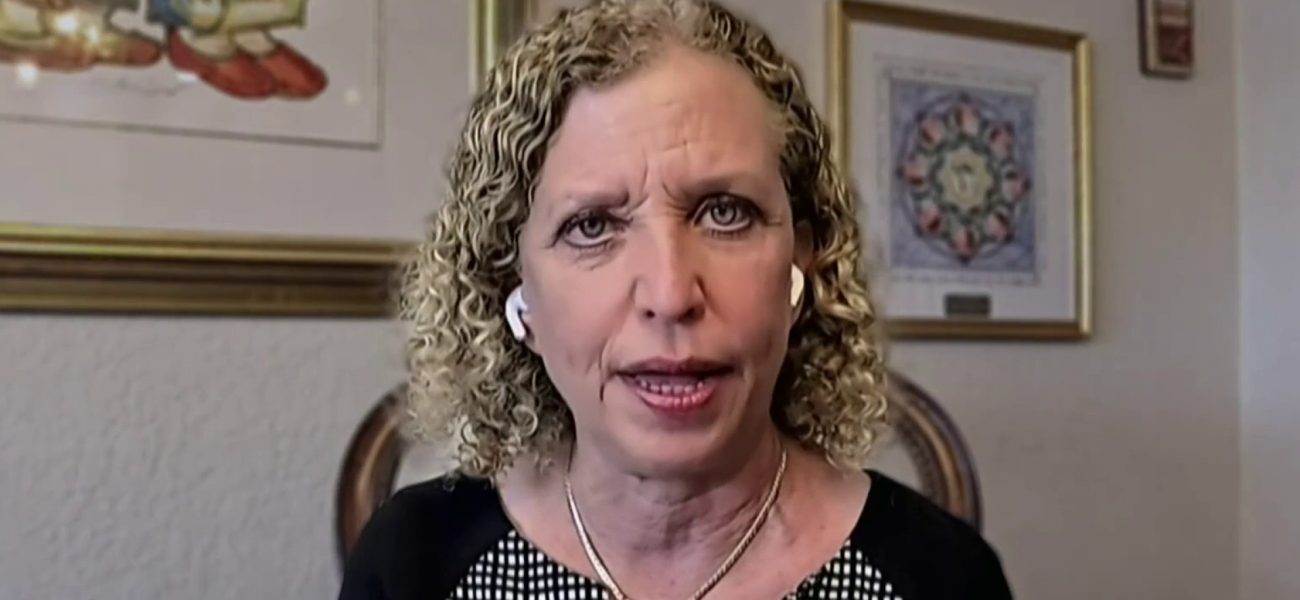
Florida’s Shifting Demographics Ignite Intra-Party Squabble Over Congressional Seat
POLICY WIRE — Washington D.C., USA — It’s an unspoken truism in politics, isn’t it? The ground beneath even the most seasoned campaigners can always give way. And for Representative...

POLICY WIRE — Washington D.C., USA — It’s an unspoken truism in politics, isn’t it? The ground beneath even the most seasoned campaigners can always give way. And for Representative Debbie Wasserman Schultz, a fixture of South Florida’s political landscape for what feels like eons, that shifting earth is now prompting more than just a minor tremor; it’s raising fundamental questions about identity, power, and what a Democratic district should actually look like in the 21st century. Her recent defense of holding her seat in Florida’s 25th congressional district, long drawn to reflect a diverse populace, has become less a political statement and more a battle cry, echoing across the party’s more progressive wings.
See, it ain’t just about winning anymore for some folks; it’s about who wins, — and for whom. The 25th, carved out years back as a so-called majority-minority district—intended to give non-white voters a stronger, collective voice in Washington—is currently represented by a white woman. Wasserman Schultz, or DWS as she’s known in the beltway’s quieter corners, has never shied from a fight. But this one feels different, personal, really cutting to the quick of the Democratic Party’s often-touted commitment to diversity at all levels.
She’s been clear on her stance. When pressed on the increasing pressure from some Democratic factions, particularly those who argue for candidates whose demographics more closely mirror their constituents, Wasserman Schultz reportedly offered a brisk counter-argument. She said, [QUOTE_PLACEHOLDER]. A bold assertion, sure, reflecting a deep-seated belief in her effectiveness and her long-standing connections within the community. But those aren’t enough for everyone.
But her challengers—and they’re emerging from unexpected corners of the party—aren’t buying it. They look at the numbers, you know? They point to census data — and evolving voter registrations. This isn’t just about one district; it’s a bellwether, a tiny test case for what the Democratic Party might become nationally, where minority representation isn’t just a talking point but an absolute requirement. A recent analysis by the Brennan Center for Justice found that over 40% of Democratic primary challenges in the 2022 cycle occurred in districts where the incumbent’s racial or ethnic identity didn’t align with the largest demographic group among eligible voters, demonstrating a growing disconnect.
The pushback DWS is facing isn’t entirely new; this conversation has been percolating for a while. What’s new is its intensity. Some party activists, young guns mostly, and allied organizations are asking point-blank if someone who’s not from a minority group can truly represent a district explicitly drawn to empower those very communities. One local organizer, often found campaigning in West Palm Beach, privately groused that [QUOTE_PLACEHOLDER], suggesting her long tenure is now an impediment to newer, more representative leadership.
This isn’t just about local Florida politics, though. No way. The same kind of ideological wrestling is playing out across the globe. You see similar discussions happening in South Asia, where historically marginalized communities in countries like Pakistan continually fight for greater political visibility and direct representation, often pushing back against established political dynasties. It’s a mirror image, isn’t it? The push for authentic representation, the challenge to existing power structures, it’s not unique to one place. In places like Karachi, you’ll find similar debates on whether candidates truly speak for the myriad of ethnic and linguistic groups crammed into vast, diverse constituencies. The global trend towards identity politics, often fueled by economic disparities and historical injustices, isn’t just theory for these folks; it’s the daily grind of political struggle.
For Wasserman Schultz, whose political career has survived numerous battles, including a particularly nasty Democratic National Committee chairperson debacle, this challenge cuts deeper. She’s defended her track record fiercely, reportedly stating, [QUOTE_PLACEHOLDER]. It’s a defense predicated on performance, legislative results, and community service—the traditional metrics. But in an era where optics and lived experience increasingly dictate political legitimacy, those old measures just aren’t enough for a vocal, growing segment of the party. It’s not a question of competency for them, you see; it’s a question of identity, and whether someone outside a particular identity group can genuinely be their champion. And that, friends, is a truly different game.
The Democratic Party prides itself on being the party of inclusion, but its internal battles often reveal uncomfortable truths about the practicalities of that ideal. This isn’t some polite debate; it’s raw, it’s ideological, — and it touches on the very definition of who gets to lead. Whether DWS can navigate these choppy, identity-laden waters or if she eventually succumbs to the pressure remains to be seen. But one thing’s for sure: the fight over Florida’s 25th is about far more than just one congressional seat. It’s about the future of what American politics will represent, who it will represent, and what values will ultimately hold sway.
What This Means
This escalating friction around Debbie Wasserman Schultz’s candidacy, particularly her insistence on retaining a seat designed for minority representation, signifies a deeper ideological fissure within the Democratic Party. It isn’t just about electoral victory anymore; it’s a direct confrontation over the very interpretation of equitable representation. Politically, this portends more internecine primary battles across the nation, as younger, more diverse candidates feel emboldened to challenge long-serving incumbents—even effective ones—if they don’t align demographically with their districts. This trend could accelerate a generational and racial shift in party leadership, but it also risks alienating long-standing factions who prioritize experience and traditional political capital over identity metrics.
Economically, this discourse subtly impacts resource allocation — and policy priorities. When representation is seen as authentic, policy initiatives for those communities often gain stronger traction, potentially leading to targeted funding and legislative action that benefits marginalized groups directly. Conversely, a perceived lack of authentic representation can breed mistrust, disengagement, and a sense that community-specific economic concerns aren’t being adequately addressed by lawmakers. For donors, too, this becomes a critical consideration: fund the proven incumbent or invest in a newer face who embodies the party’s future aspirations? It forces a tough choice—one with tangible financial consequences for campaign viability and legislative effectiveness. Ultimately, this battle in Florida isn’t isolated; it’s a microcosm of the party’s ongoing struggle to reconcile its progressive ideals with the messy realities of power, incumbency, and evolving demographics.