


Desert Drifters: Santa Fe’s Street Racers Caught in Unfolding Urban Safety Battle
POLICY WIRE — Santa Fe, N.M. — It wasn’t the distant thunder of a desert storm rolling in; it was the shrill, artificial howl of high-revving engines tearing through Santa Fe’s twilight,...

POLICY WIRE — Santa Fe, N.M. — It wasn’t the distant thunder of a desert storm rolling in; it was the shrill, artificial howl of high-revving engines tearing through Santa Fe’s twilight, shattering whatever fragile peace locals dared to seek. These aren’t isolated incidents, no. They’re symptoms of a burgeoning defiance against urban order, a spontaneous combustion of youth (and sometimes, not-so-youth) adrenaline played out on public asphalt. The Santa Fe Police Department, ever the killjoys to these unauthorized motorcade events, recently put a stop to two such practitioners of high-speed urban art, capturing them in what some might call their element – if that element involved reckless endangerment and potential vehicular manslaughter.
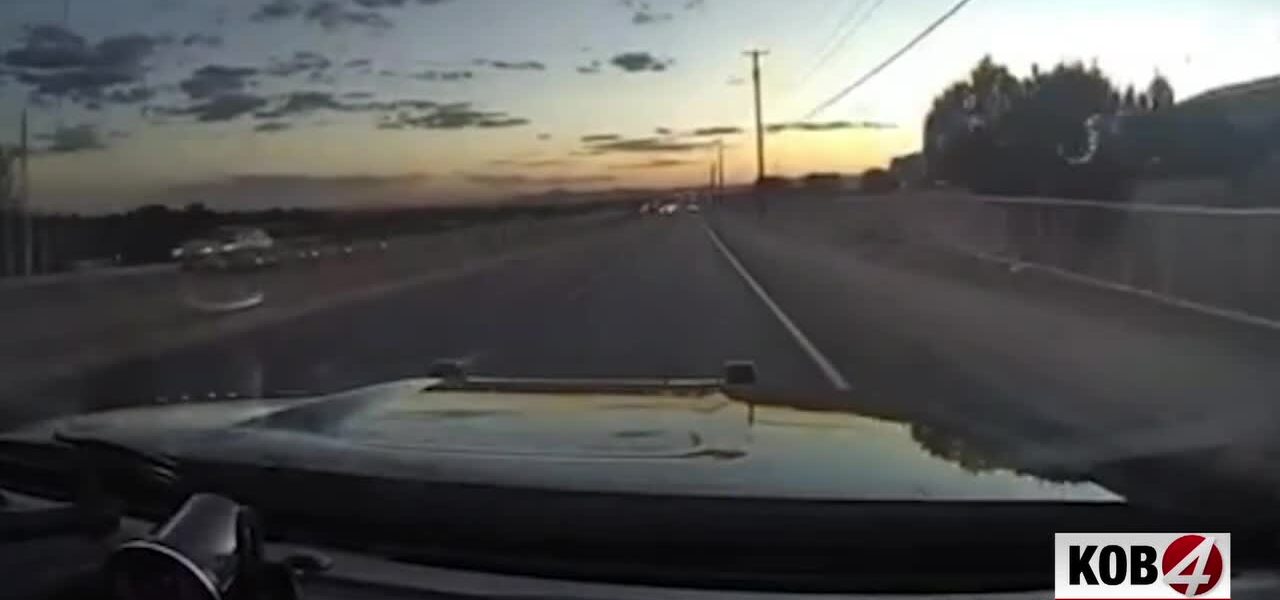
Daniel Maes, 22, and Dayana Torres, 23, found their illicit drag show abruptly canceled last week near the famed Rodeo de Santa Fe. Their arrest, complete with footage the police were apparently quite eager to share, paints a rather mundane end to what they presumably imagined as a fast, furious, and frankly, quite illegal, adventure. But it’s not just about two drivers making poor life choices on a given evening; it’s about a wider trend, an increasing challenge to what passes for civic obedience in modern American towns.
Because, let’s face it, Santa Fe isn’t some anarchic wasteland. It’s a city grappling with all the pressures of growth, tourism, and maintaining a semblance of serene, southwestern charm. And that charm—it doesn’t typically involve screeching tires at 90 mph down residential thoroughfares. City officials, however, are past simply wringing their hands; they’re trying to navigate the choppy waters of public safety versus the seemingly irresistible allure of automotive rebellion.
“We can’t just throw our hands up and let these roads become demolition derbies,” Santa Fe Police Chief Anya Sharma told Policy Wire in an exclusive conversation. Her voice carried the weight of experience. “It’s not about being ‘anti-fun’; it’s about protecting lives. Every statistic shows us the deadly consequences, and my officers are trained to prioritize the community’s safety above a driver’s momentary thrill. We’re deploying resources, both overt and covert, to tackle this head-on.” She didn’t mince words, which isn’t always typical for these folks. But she’s seen enough. She’s seen the aftermath.
But the problem, some suggest, runs deeper than just police patrols. “When you see young people turning public streets into their personal racetracks, it’s a symptom,” remarked City Councilwoman Lena Rodriguez, her tone tinged with a weariness only a long-serving public servant could project. “It speaks to a certain detachment, maybe a lack of alternative recreational outlets, or even a misguided search for identity. We need a multi-faceted approach, not just arrests, though those are absolutely necessary. We’re exploring youth programs, community engagement—anything that can steer these impulses toward productive channels. Our roads aren’t just conduits; they’re public spaces, — and they demand respect. Like Albuquerque’s ongoing struggles with urban unrest, it’s about much more than just a speeding ticket.”
It’s a situation not wholly unfamiliar to urban planners in other, rapidly modernizing parts of the world. From the sprawling megacities of Pakistan—Karachi or Lahore, for instance—to the dense urban centers of the broader Muslim world, local authorities often grapple with the exact same phenomena: an eager, often disenfranchised youth cohort, combined with affordable access to motorbikes or modified cars, and a distinct lack of designated, legal venues for their automotive passions. They’re facing off against similar strains of reckless behavior that place immense burdens on limited public safety resources and endanger countless bystanders.
📄 POLICY WIRE WHITEPAPER PUBLISHED: PAKISTAN'S NATIONAL SECURITY POLICY PRIORITIES
👉 READ BY CLICKING HEREThe numbers don’t lie, they rarely do. The National Highway Traffic Safety Administration (NHTSA) reports that speeding was a factor in 29% of all traffic fatalities in 2021, leading to 12,330 deaths across the United States. And that’s just a raw number, mind you, doesn’t even touch on the injuries, the property damage, the skyrocketing insurance premiums for everyone else.
And so, Santa Fe — the city of ancient history and quiet artistry — finds itself on the front lines of a rather loud, modern urban conflict. It’s a clash between the collective desire for order and safety, and the individual, often dangerous, pursuit of speed-induced euphoria. How a city maintains its soul when confronted with such primal urges is, as always, the prevailing policy conundrum. Because maintaining social order, that’s really what it’s all about, whether in New Mexico or, say, amidst the complex governance challenges of Southeast Asia or even Pakistan in the face of natural disasters, is always an uphill climb.
What This Means
The arrests in Santa Fe, while seemingly minor in the grand scheme of national events, really highlight several interlocking policy and societal implications. Economically, pervasive street racing isn’t just annoying; it diminishes property values in affected areas, discourages local businesses who depend on a calm environment, and strains municipal budgets through increased police presence, road repair, and emergency services. Politically, local leaders face growing pressure to demonstrate effective governance. A city unable to control its streets signals a broader instability, undermining public trust and potentially influencing voter sentiment. It becomes a litmus test for civic leadership. The challenge isn’t merely punitive; it requires preemptive community outreach and the provision of legitimate alternatives for young people to express themselves and channel their energy, perhaps even providing sanctioned race tracks or driving events. Neglecting these underlying causes means authorities will forever be playing a game of Whack-a-Mole with these adrenaline junkies, a cycle that satisfies no one and drains public resources dry. It forces a fundamental question: what kind of urban environment do we actually want to cultivate?