
Albuquerque’s Summer Gambit: Free Fun, Deep Pockets, and the Quiet Politics of Public Morale
POLICY WIRE — Albuquerque, N.M. — The high desert sun beats down mercilessly, a golden crucible shaping not just the adobe but the very psyche of a city perpetually on the cusp of something....

POLICY WIRE — Albuquerque, N.M. — The high desert sun beats down mercilessly, a golden crucible shaping not just the adobe but the very psyche of a city perpetually on the cusp of something. You’d think summer in Albuquerque would just be about escaping the heat—a scramble for air conditioning or a splash pad. But beneath the surface, the city’s humble offerings of “free fun” aren’t merely amenities. No, they’re strategic plays, small but telling indicators of a municipal government quietly attempting to mend an economy, uplift spirits, and knit together disparate communities. It’s a testament, if a slightly parched one, to the persistent — some might say quixotic — belief that local government still holds a tangible role in residents’ day-to-day joy, or at least their sanity.
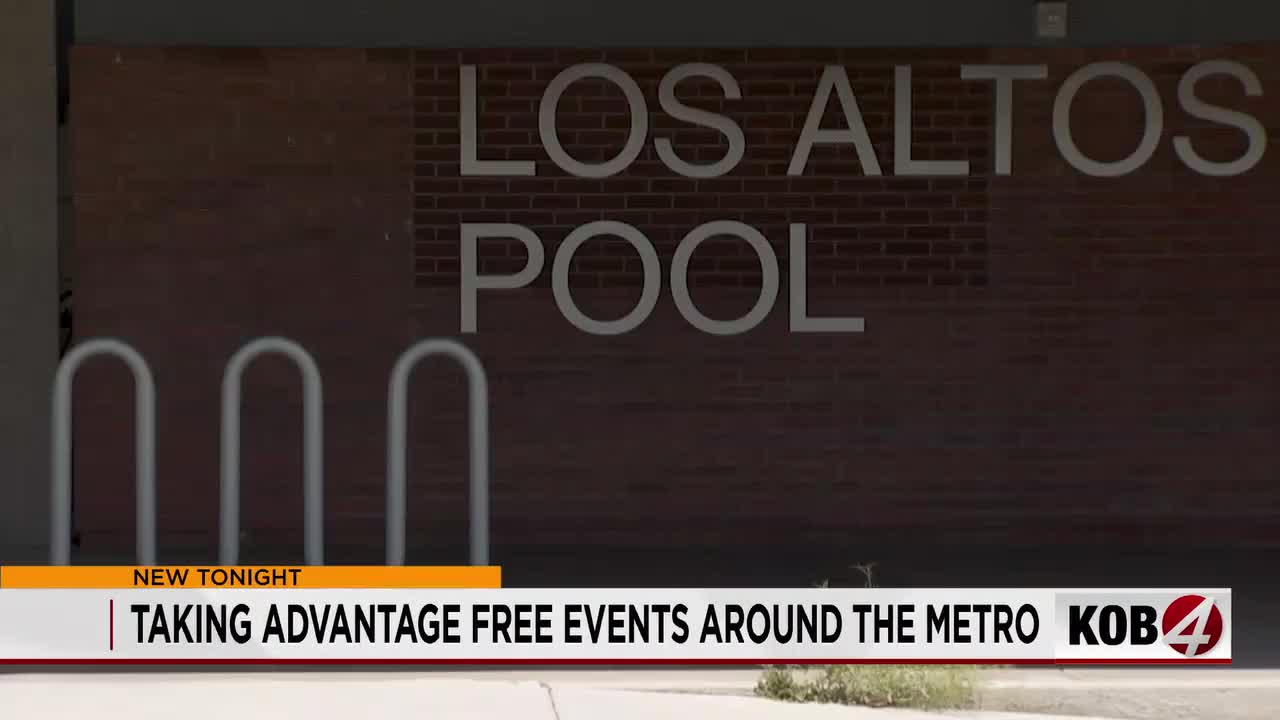
It’s not just about keeping the kids busy, though parents across the city would certainly thank you for that. The simple truth is, for many families, summer break means tight budgets getting even tighter. Kids eat more when they’re home, utilities spike. And leisure? That’s often the first thing cut from the ledger. That’s why the proliferation of free museums, discounted cultural centers, — and municipal splash zones isn’t accidental. It’s a deliberate, albeit often understated, policy choice by City Hall to inject some sorely needed social capital into the urban fabric.
Mayor Tim Keller, a Democrat known for his grounded approach, sees it clearly. “We’re not just providing activities; we’re providing relief,” he told Policy Wire in a recent conversation. “It’s about making sure every family, regardless of their zip code or income, has access to joy — and discovery. That investment in public programming? It’s fundamental to our community’s resilience.” He’s right, of course. You can’t put a price tag on a kid’s first glimpse of an ancient pot at the Indian Pueblo Cultural Center, especially when it’s celebrating its 50th year and offers free admission for the under-fives. Or the sheer delight of a free bowling lane for a 15-year-old at Main Event.
But the calculus goes beyond just goodwill. Councilwoman Janice Sanchez, representing a district grappling with economic flux, doesn’t mince words. “Every free splash pad isn’t just water in a basin. It’s an afternoon where a parent doesn’t have to scramble for childcare. It’s keeping teenagers engaged. It’s a very practical, dollar-and-cents kind of impact for our families, freeing up money that can then be spent at local businesses — a cup of coffee in Nob Hill, perhaps, after visiting the neon glow at dusk.” This isn’t abstract economic theory; it’s the gritty reality of urban living. Because let’s face it, keeping residents sane, cool, and somewhat entertained during those brutal summer months avoids more expensive problems down the line.
Consider the data: New Mexico consistently ranks among states with higher poverty rates, with approximately 1 in 5 residents living below the poverty line. In such an environment, ‘affordable’ quickly becomes ‘necessary.’ The free hours at the Albuquerque Museum every first Wednesday aren’t just for art lovers; they’re for anyone seeking a refuge, a quiet moment, a different perspective from the daily grind. Libraries, those enduring bastions of civic virtue, aren’t merely lending books; they’re hosting everything from story times to cooking clubs and dance lessons. They’re even dangling the carrot of a free city pool pass for kids who join a summer book club. Ingenious, isn’t it? Combining literacy with hydrotherapy.
The quest for community — and accessible leisure isn’t unique to the American Southwest. Look across the globe, to the bustling, often chaotic cities of Pakistan. Urban centers like Lahore or Karachi wrestle with analogous challenges: ballooning populations, limited public resources, and the pressing need to offer citizens, particularly youth, spaces for recreation and cultural engagement that don’t break the bank. How cities in South Asia manage to provide public parks, cultural festivals, and community centers, despite enormous economic disparities, often serves as a stark reminder of the universal demand for human connection and affordable escape. It’s a shared struggle to maintain civic fabric, albeit with different architectural — and societal backdrops.
What This Means
This mosaic of low-cost diversions in Albuquerque underscores a quieter, but no less profound, political reality. When local governments prioritize access to public spaces and affordable cultural programming, they aren’t just being benevolent. They’re, in fact, enacting critical social policy. This approach minimizes socioeconomic disparities in leisure access, potentially curbing youth disengagement and fostering a sense of shared community—especially crucial for a city that, much like the wider political landscape, frequently feels grappling with despair. The economic reverberations are subtle: stable, engaged families mean fewer societal strains, which in turn can contribute to a more attractive and functional urban environment, subtly boosting local economies. These programs also play a vital role in civic pride and mental well-being, both intangible but absolutely essential elements for any thriving city. It’s an economic development strategy, a social welfare program, and a morale booster, all wrapped in a deceptively simple package of summer fun.