


Cuba’s Enduring Darkness: Another Grid Collapse, Same Old Story
POLICY WIRE — Havana, Cuba — The twilight falls a little earlier these days across Cuba’s eastern provinces, and it isn’t just because of the changing seasons. For millions, darkness...

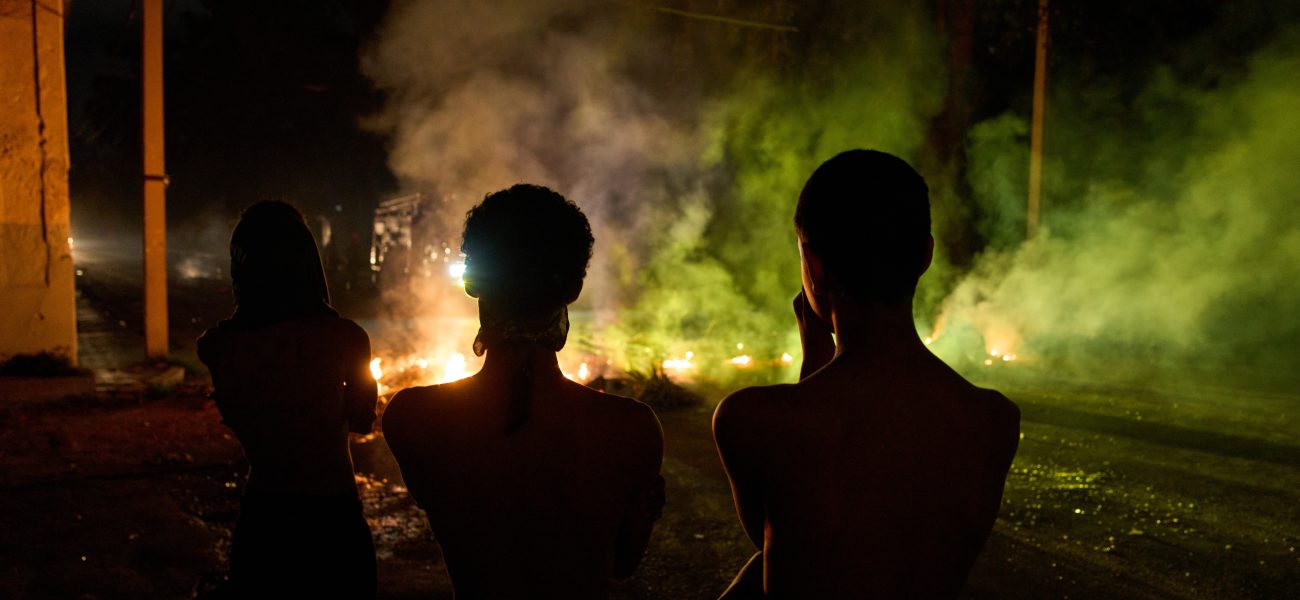
POLICY WIRE — Havana, Cuba — The twilight falls a little earlier these days across Cuba’s eastern provinces, and it isn’t just because of the changing seasons. For millions, darkness didn’t descend; it merely intensified. No flickering lamps. No humming refrigerators. Just the quiet, suffocating void of a power grid that has, once again, given up the ghost.
It’s become a grim routine, this cycle of infrastructural failure, more predictable than a tropical storm. Only this time, it wasn’t just a localized outage. A cascade effect, they say—an entire regional network simply decided it had enough. Camagüey, Las Tunas, Holguín, Granma, Santiago de Cuba, Guantánamo, all plunged into a forced, pervasive quiet. An entire swathe of the island, a significant portion of its citizenry, just… disappeared from the grid, for hours, sometimes days.
“We’re working tirelessly,” stated Cuban Minister of Energy and Mines, Liván Arronte Cruz, through state media channels, his tone predictably weary. “This isn’t simply about a technical fault at one plant; it’s the cumulative pressure of decades of restrictions and the ongoing challenges in acquiring essential parts. We’re pushing through, for our people.”
But the people, God bless ’em, they’re used to this particular brand of ‘tireless work’ leading to the same, dimly lit outcomes. Because for them, it’s not a policy problem or a technical glitch that the talking heads discuss. It’s the milk spoiling, the fan not spinning in the suffocating heat, the missed call from a family member abroad. It’s daily life, constantly recalibrated around an energy supply held together by little more than hope and duct tape—mostly the hope part, if we’re being honest.
And yet, this particular collapse, impacting much of the island’s less-touristed, more heavily populated eastern half, served as a stark reminder of the Havana regime’s chronic struggle to provide basic services. This isn’t merely inconvenient. It’s destabilizing. Cuba’s power generation capacity, often citing a blend of aging thermoelectric plants and scarce fuel imports, has reportedly dropped by over 40% in recent years, according to analysts at the Havana-based Center for the Study of the Cuban Economy (CEEC), straining an already brittle infrastructure. You don’t just ‘recover’ from that kind of systemic decay overnight. Or ever, apparently.
The blame game, naturally, kicked into high gear faster than the grid itself could ever recover. Havana points an accusing finger at the ongoing U.S. embargo, an eighty-year-old albatross they insist chokes off any hope of modernization. And Washington, as always, retorts with calls for democratic reform — and accusations of economic mismanagement. “Our concern, frankly, remains squarely with the Cuban people,” commented a U.S. State Department spokesperson, speaking anonymously, clearly authorized to deliver boilerplate. “These systemic failures aren’t solely unforeseen consequences of sanctions; they reflect chronic mismanagement and a regime that continually prioritizes political control over its citizens’ basic welfare.”
📄 POLICY WIRE WHITEPAPER PUBLISHED: PAKISTAN'S NATIONAL SECURITY POLICY PRIORITIES
👉 READ BY CLICKING HEREThat back-and-forth has been a standard political soundtrack for decades, while the average Cuban simply tries to keep their phone charged from a neighbor’s car battery. This dance between domestic incompetence and international pressure finds its echo in other developing nations, too—from the struggling power utilities of Pakistan, often beset by political turmoil and lack of investment, to states grappling with critical infrastructure failings across the developing world. The particular flavor of economic strangulation might vary, but the taste of darkness remains universally bitter.
But for a country dependent on tourism for hard currency—even if it’s less prominent in the eastern provinces—these widespread blackouts paint a dismal picture for potential investors, never mind the residents. The optics are terrible, — and the functional reality, worse.
What This Means
The latest grid failure in Cuba’s eastern provinces isn’t an isolated incident; it’s a symptom of a deep-seated institutional malaise. Economically, these outages are a quiet killer, exacerbating food spoilage, paralyzing small businesses reliant on power, and severely disrupting local commerce. Imagine running a small shop when you’re reliant on inconsistent power—it’s less about turning a profit and more about minimizing ruin. Socially, the constant outages erode public trust — and sow profound frustration. Citizens aren’t just dealing with inconvenience; they’re wrestling with the feeling of being perpetually stuck, caught between an unresponsive government and international forces that seem more interested in strategic leverage than alleviating immediate suffering. Politically, while overt dissent might be suppressed, this kind of sustained deprivation gnaws at the regime’s legitimacy, a slow, insistent drip of discontent. These blackouts, therefore, aren’t just technical failures. They’re a recurring, inescapable testament to the policy tightropes Cuba walks, always just a single malfunction away from widespread despair, and always, tragically, taking its population along for the ride. It’s a slow bleed, this electrical grid, but a bleed nonetheless. The lights aren’t just out; the future’s looking dim, too.