


New Mexico Blaze: When Human Error Meets a Vengeful Climate
POLICY WIRE — Albuquerque, N.M. — In the stark, sun-baked heart of New Mexico, a wildfire—begun, it’s worth noting, by human hand—is refusing to yield its grip on Capitan Mountain. This...

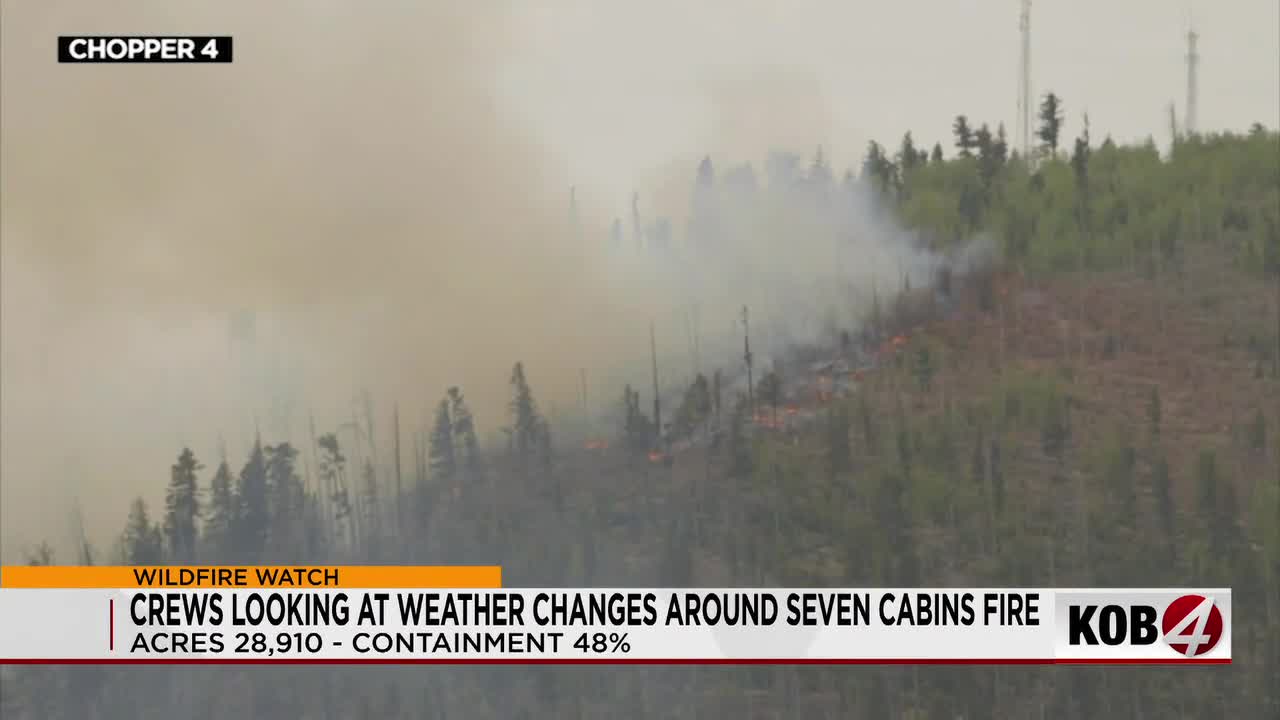
POLICY WIRE — Albuquerque, N.M. — In the stark, sun-baked heart of New Mexico, a wildfire—begun, it’s worth noting, by human hand—is refusing to yield its grip on Capitan Mountain. This isn’t just about flames licking at dry scrubland. It’s a stark, smoldering lesson in how tenuous our control truly is, especially when nature decides to dial up the heat. For nearly three weeks now, a relentless dance between fire and man has played out, with stakes measured in acres, air quality, and the sheer grit of exhausted crews.
The inferno, christened the Seven Cabins Fire, now stretches an astonishing 28,910 acres—a land mass many cities would envy. Yet, officials say containment hovers at a mere 48%. But here’s the kicker, the detail that sharpens the anxiety like a fresh razor: all this misery started on May 14 in the Capitan Mountain Wilderness, and it’s attributed to us—to human activity. And here we’re, watching Mother Nature flex her muscles as temperatures tick upwards, setting the stage for an even more volatile showdown.
Consider the daily grind for the 841 personnel assigned to this beast. They’re out there. And it’s not just battling active fronts; they’re diligently rehabbing fire lines, an almost Sisyphean task. They’re also backhauling unused equipment, covering dozer lines, and even prepping for seeding once those bags arrive—a vision of future remediation even as the present crisis burns. Officials confirm conditions will continue to warm — and dry. Fuels in the Peppin burn scar, for example, are set to dry very quickly. It’s a dangerous cycle, isn’t it?
But the dangers aren’t limited to the physical inferno itself. Relative humidity fell to 15% yesterday — and may reach 10% tomorrow. That’s air so dry it feels like it could spontaneously combust. The public’s role, if one considers their frequent warnings, is becoming disturbingly clear: officials urged the public to stay alert, avoid activities that could spark a fire and monitor official updates. A forest closure remains in effect across the Capitan Mountain area, a silent testament to the threat. Baca campground remains closed. And Stage 1 fire restrictions are still in place. It’s a sobering scene. But it’s also predictable.
And then there are the bureaucratic complexities: Southwest Area Incident Management Team 2 took control of firefighting operations Friday morning. These aren’t local disputes; they’re full-scale operations, military-like in their precision and, frankly, their cost. The drone menace? That’s another layer of folly. A Temporary Flight Restriction remains over the fire area for firefighting aircraft. Officials warned that if a drone enters the airspace, all firefighting aircraft must be grounded. Imagine that—a single rogue drone halting an entire aerial attack. That’s a very modern, — and very infuriating, risk.
Evacuation statuses, naturally, are under daily review. SET status remains in place for the Fort Lone Tree area down to Padilla Ranch, east to Forest Road 57 and the forest boundary. SET status also remains along State Highway 246 from mile marker 13 to the ridgeline of the Capitan Mountains near Boy Scout Mountain. Residents in these SET areas? They should stay ready to leave if conditions change. Smoke, they tell us, may become visible again as fuels dry and temperatures rise, though officials said impacts should stay limited to areas near the fire. Hopeful, perhaps. But we’ve heard that one before, haven’t we?
What This Means
This localized disaster isn’t just an unfortunate event on the American frontier; it’s a stark mirror reflecting global fragilities. The [QUOTE_PLACEHOLDER] label attached to the Seven Cabins Fire carries significant political weight. It reignites uncomfortable conversations about land management, resource allocation in an increasingly fiery world, and the true cost of unchecked human activity. Taxpayers foot the bill for these escalating battles, drawing funds that might otherwise be directed to schools or infrastructure. Because ultimately, extreme weather events like prolonged drought and wildfire aren’t just inconvenient—they’re economic sinkholes.
Internationally, nations grapple with similar, often amplified, challenges. Pakistan, for instance, a nation particularly vulnerable to climate shocks, regularly sees vast tracts of land—especially forests in Balochistan and Khyber Pakhtunkhwa—ravaged by intense summer heat and fires. The same human-climate feedback loop, where warming conditions are exacerbated by deforestation and land-use changes, plays out there, albeit with often fewer resources for effective fire suppression. Consider last year’s devastating floods in Pakistan that displaced millions — and caused billions in damage. It’s all connected. What starts as a brush fire in New Mexico today could be a devastating flash flood or a relentless heatwave in Lahore tomorrow, demonstrating a grim shared reality. These events put enormous strain on a government’s ability to maintain public order and address other pressing social concerns—a real test of political resilience in the face of what feels like a rapidly changing climate order.
This episode, messy and expensive as it’s, forces us to look past the smoke to the larger implications for governance and collective responsibility—here and across the globe. From the American Southwest to South Asia, the policies—or lack thereof—surrounding environmental stewardship and climate adaptation are increasingly defining national security. Just as we’ve seen in the delicate diplomatic tightrope surrounding critical resources, this incident reveals the intense political pressures brewing within nations and across borders as our world gets hotter, and, quite literally, drier. Europe’s push for green fuel, and Asia’s maritime tensions, aren’t so far removed from this. It’s all about navigating new vulnerabilities.