


Cricket’s Capital Blunder: Mumbai Indians’ Unraveling Season Puts Billions on the Pitch
POLICY WIRE — Mumbai, India — The air itself felt heavier at Eden Gardens. It wasn’t just the late-season humidity; it was the thick, cloying stench of expectation curdling into bitter...

POLICY WIRE — Mumbai, India — The air itself felt heavier at Eden Gardens. It wasn’t just the late-season humidity; it was the thick, cloying stench of expectation curdling into bitter disappointment. Not for Kolkata Knight Riders, mind you, they’re still in the hunt. No, the heavy atmosphere clung stubbornly to the five-time champions, the Mumbai Indians, now officially ousted from playoff contention in a whimper that belied their monumental pedigree and even larger price tag.
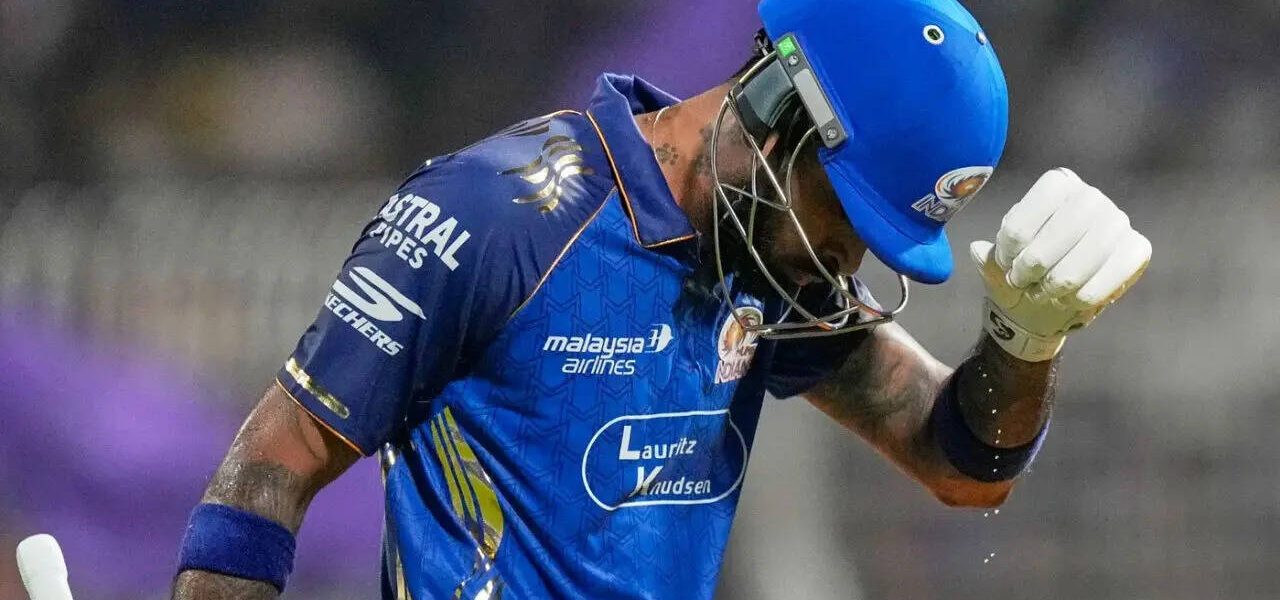
It’s always startling when the giants trip. And trip they did. Their captain, Hardik Pandya, stood visibly drained after yet another loss, the kind of public self-flagellation you don’t often see from someone commanding arguably the most high-profile franchise in world cricket. He looked less like a battle-hardened skipper and more like a CEO trying to explain away a massive quarterly loss to a room full of exasperated shareholders.
“I don’t know,” Pandya admitted, eyes betraying a profound weariness when asked about his team’s persistent fielding woes. It wasn’t just a poor outing against KKR; it’s been the narrative all season. A collective shrug in neon jerseys. “I think throughout the season, we’ve been quite poor in fielding. I think we have dropped a lot of catches, which obviously no one wants to do it. But in that part of the game, I think there’s no hiding away.” He continued, the honesty stark against the usual sports-speak platitudes. For a team with an aggregate player salary sheet stretching into the tens of millions, it’s not just a casual observation; it’s an indictment.
Because frankly, it’s not rocket science. Dropped catches turn the tide, deflate morale, — and quite literally cost millions. That moment in the 10th over—Kolkata’s Rovman Powell sending a pull shot skyward, only for Deepak Chahar and Robin Minz to perform a synchronized ballet of mutual avoidance—was a microcosm of their entire campaign. Ball lands safe. Game slips away. Again. “If you get chances, if you want to win games, you need to grab all the chances, even half chances as well,” Pandya conceded. “But yeah, when you drop chances which can change the game, it’s always you are chasing the game.” Chasing it they were, all season long, like a dog after its own tail, never quite catching up.
But the problem extended beyond just butter-fingers. They were 20 runs short in batting against Kolkata, another recurring issue. Too many top-order collapses, not enough partnerships, despite having some of the world’s most explosive batsmen. It’s a formula for failure in a league where fine margins separate glory from ignominy. And Hardik, himself, now holds the unenviable record of losing four consecutive matches as captain three separate times in the IPL. That’s a statistic that grates on fan sentiment and—let’s be honest—corporate sponsors too.
For many across the subcontinent, cricket isn’t just a game; it’s a visceral expression of identity, an emotional thermometer for a nation of over a billion people. When the biggest team, a five-time champion like the Mumbai Indians, stumbles so spectacularly, the ripple effects are economic, social, and even political in their subtlest forms. The brand equity, built on years of success — and carefully cultivated hero worship, begins to erode. Investors in ancillary businesses—from sports apparel to streaming services—feel the chill. For a league whose brand value soared to $10.9 billion in 2023, according to consulting firm Brand Finance, even perceived dips in on-field quality from its flagship teams are taken with grim seriousness.
And let’s not forget the fervent passion that engulfs these teams across India and into neighboring Pakistan, Bangladesh, and the broader Muslim world. Mumbai Indians’ massive fanbase, both at home and among the diaspora, don’t just invest their disposable income; they invest a piece of their national pride, their local bragging rights. Their anguish is palpable. As one prominent sports industry analyst, who wished to remain anonymous to avoid inflaming fan sentiment, put it, “When you’re paying top dollar for elite talent, you expect basic competence. We’ve seen significant investment in this franchise, — and this season’s showing simply isn’t an adequate return. It forces everyone, from ownership down, to look hard at accountability.”
But what happens when accountability points to systemic issues, not just a few bad bounces?
What This Means
The Mumbai Indians’ dismal performance isn’t merely a blip on the cricketing radar; it’s a sobering indicator of the fierce, unyielding pressure within the IPL ecosystem. For starters, there’s a serious political implication here: the shifting power dynamics within India’s cricketing elite. Hardik Pandya’s elevation to captaincy, displacing the immensely popular and successful Rohit Sharma, was already a contentious move. This season’s debacle will undoubtedly fuel further factionalism among fans and possibly even within the BCCI (Board of Control for Cricket in India), forcing them to navigate increasingly turbulent waters regarding player loyalty and public perception. And let’s be clear, fan sentiment, when aggregated across hundreds of millions, holds immense political weight in a country where cricket borders on religion.
Economically, the impact might be more nuanced but no less real. A prolonged downturn for a marquee team like MI can subtly impact broadcast deals, sponsorship valuations, and even future player auctions. When a major player disappoints, it affects the overall perception of competitiveness and investment stability, potentially influencing global brands considering association with the league. the constant churn of star players and the immense pressure to perform has a human cost, raising questions about player mental health and burnout in a hyper-capitalized sports environment. It isn’t just about bat and ball; it’s about balancing shareholder expectations with the human element of high-performance athletes.
The question isn’t just *how* Mumbai Indians failed. It’s how such an expensive, meticulously assembled machine could break down so comprehensively, right before the biggest games of the season. A thorough reckoning isn’t just an option; it’s an economic imperative. You can’t just wish away fielding errors when billions of rupees are on the line. It demands a root-and-branch audit, both on the field and in the boardroom, because when the public’s emotional investment is so deep, anything less feels like a betrayal.