


Student vs. Master: Afghan Spinner Gears Up to Challenge IPL Mentor Rohit Sharma
POLICY WIRE — Mumbai, India — In the curious theater of international cricket, where allegiances can pivot faster than a leg-spinner’s drift, a compelling new chapter is about to unfold....

POLICY WIRE — Mumbai, India — In the curious theater of international cricket, where allegiances can pivot faster than a leg-spinner’s drift, a compelling new chapter is about to unfold. Imagine you’ve spent weeks under the tutelage of one of the game’s absolute giants, dissecting batting mechanics and game strategies, only to then step onto the pitch with the explicit goal of dismantling that very mentor. It’s a scenario that transcends mere sport; it’s a high-stakes, real-time examination of gratitude clashing with ambition, and a young Afghan spinner is living it.
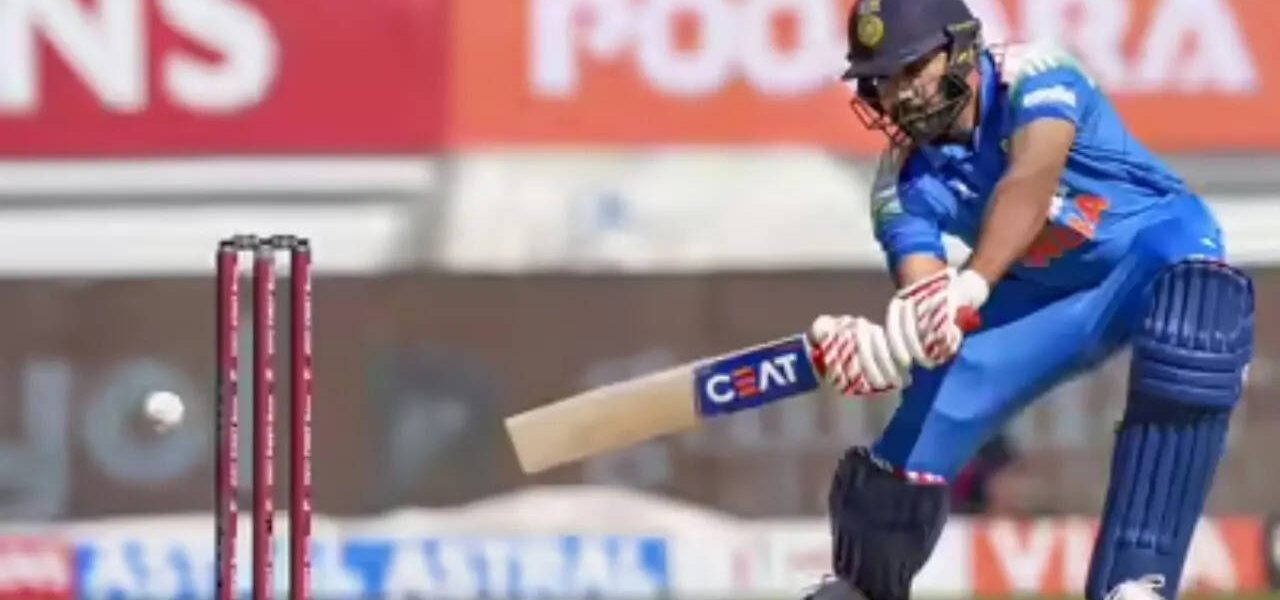
Allah Ghazanfar, a nineteen-year-old off-break specialist hailing from Afghanistan, isn’t just another face in the burgeoning talent pool of international cricket. He’s fresh off a stint with the formidable Mumbai Indians in the IPL, a crucible where emerging players rub shoulders—and occasionally bump heads—with legends. There, he spent invaluable time around Rohit Sharma, India’s seasoned captain, a man who, let’s be honest, is usually busy breaking records, not mentoring the opposition. Now, with an ODI series looming, Ghazanfar is champing at the bit to apply those hard-won lessons against his erstwhile teacher. What a twist, right? [QUOTE_PLACEHOLDER]
It’s not just polite banter; the young man holds no punches about his intentions. “Rohit bhai is a legend — and a very good player. He opens the batting — and we bowl with the new ball. Whatever we have learnt from him, Inshallah, we will try to use it to our advantage and see what happens,” Ghazanfar relayed, his words betraying a blend of respect and nascent competitive fire, as quoted by news agency PTI. He isn’t shy about acknowledging the mentorship. There was a time, apparently, when he even got batting tips from the captain. “Once when I was batting, he gave me some tips. I really appreciated that and I am thankful to him,” he revealed, underscoring the informal, yet impactful, learning curve within the glamorous, albeit high-pressure, IPL ecosystem.
Ghazanfar’s tenure at Mumbai Indians placed him square in a dressing room filled with an embarrassment of riches: Sharma, Jasprit Bumrah, Suryakumar Yadav, Tilak Varma. And he drank it all in. That exposure, he says, significantly turbocharged his evolution as a cricketer. “In the IPL, you get the absolute best of both worlds — very good players and excellent coaching. Playing matches with them — and sharing the dressing room helped me learn a lot. Cricket is a game of constant learning — and I want to keep learning even more in the future,” he explained. It’s a pragmatic view of professional development, something many athletes globally would envy. Because frankly, not every country offers that level of sustained, elite exposure.
The tale of Afghan cricket’s rise is, itself, a captivating saga of resilience — and raw talent. From a nation perpetually mired in geopolitical strife, cricket has emerged as an improbable narrative of hope and national pride. The success of players like Ghazanfar isn’t an anomaly; it’s indicative of a systemic burgeoning. Indeed, a recent report by the International Cricket Council highlighted a stunning 380% increase in registered junior cricketers in Afghanistan over the past five years alone, a statistic that underscores the game’s deep penetration and burgeoning pipeline in the country. This isn’t merely anecdotal growth; it’s quantifiable development. And it impacts the entire South Asian cricketing landscape, forcing established powers to sit up — and take notice.
📄 POLICY WIRE WHITEPAPER PUBLISHED: PAKISTAN'S NATIONAL SECURITY POLICY PRIORITIES
👉 READ BY CLICKING HEREAfghan preparation, despite players like Ghazanfar dispersing for franchise gigs, sounds pretty robust too. “The IPL was very good for us. It’s very hot here — and we have adjusted to the conditions. Before coming here, our team had a month-long camp in Kabul. We have already adapted to the pitches and weather and the players are feeling energetic,” he assured, suggesting they’re not just relying on individual IPL gains but cohesive national team groundwork. They’re definitely in it to win it.
The fierce internal competition for national team spots speaks volumes about the depth of talent sprouting from Afghanistan’s cricket system. “There are a lot more talented players in Afghanistan now. It’s difficult to reach international cricket, leagues and franchise cricket directly from domestic cricket, but belief, preparation and working on your skills can make things easier,” Ghazanfar observed, pointing to a demanding pathway. His personal journey, shorn of the conventional idol worship of individual stars, is particularly telling: “Our role model was the Afghanistan team. We all used to watch our national team when we were growing up.” That collective inspiration speaks volumes about the identity and aspirations of a nation using sport as a vital, unifying force. For more context on the nation’s struggles and spirit, one might reflect on topics like the challenges faced by its populace as detailed in articles such as Bullets, Burqas, and Broken Hopes: Afghan Women Defy Crackdown in Herat. Afghanistan is undoubtedly more than just a cricket team.
What This Means
Ghazanfar’s impending confrontation with Rohit Sharma isn’t just a captivating sports story; it’s a stark indicator of shifting power dynamics in global cricket, particularly within South Asia and the broader Muslim world. Afghanistan’s rise from an ICC affiliate to a genuine contender—even producing players in high-demand leagues like the IPL—signals a dispersal of cricketing prowess beyond traditional hubs. This phenomenon isn’t merely athletic; it’s also a soft power triumph for Kabul. A successful, internationally recognized cricket team, particularly one whose players perform well on global stages, elevates national prestige and offers a potent counter-narrative to negative international perceptions. Economically, the IPL’s role as a talent incubator can’t be overstated; it’s essentially a finishing school, one that’s financially lucrative for players and, by extension, contributes to the informal economies back home through remittances and local investment in sports infrastructure. But perhaps more profoundly, this specific matchup symbolizes a passing of the torch, or at least a firm challenge to established hierarchies. The student is ready, perhaps not to usurp, but certainly to contend, illustrating a healthy globalization of the game that ultimately benefits every stakeholder—except, perhaps, a senior batsman facing his former mentee.