


Court Vision to Corner Office: Rajon Rondo and the NBA’s High-Stakes Leadership Gamble
POLICY WIRE — New Orleans, USA — The whispers emanating from the Crescent City aren’t just about Mardi Gras preparations anymore. They concern a peculiar, high-stakes leadership...

POLICY WIRE — New Orleans, USA — The whispers emanating from the Crescent City aren’t just about Mardi Gras preparations anymore. They concern a peculiar, high-stakes leadership transition — one that challenges the established hierarchies of professional sports and casts a stark light on the alluring, often perilous, gambit of entrusting multi-billion-dollar enterprises to unconventional minds.
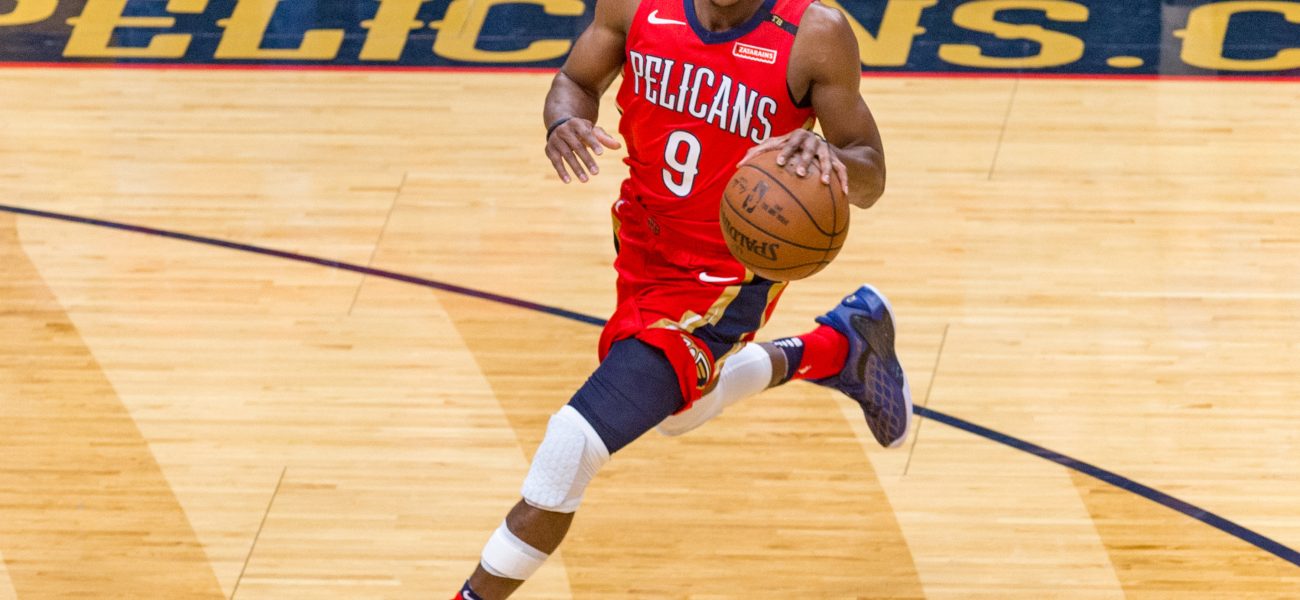
It’s Rajon Rondo, the erstwhile NBA floor general — a two-time champion, yes, but also a figure known for his acerbic wit and often tempestuous sideline demeanor — whose name now circles in discussions for a head coaching gig with the New Orleans Pelicans. This isn’t just a routine coaching carousel; it’s a corporate maneuver, a calculated plunge into the unknown for a franchise eager to redefine its trajectory with an iconoclast at the helm. And it really does make you wonder about the criteria.
For years, Rondo’s on-court acumen was legendary. He wasn’t just passing; he was orchestrating, dissecting defenses with surgical precision, often out-thinking coaches from both benches. His basketball IQ, often touted as generational, makes him a compelling candidate. But can that cerebral brilliance — a player’s mastery of the game’s mechanics — truly translate into the complex, often politically charged realm of professional coaching, where managing egos often trumps tactical genius? It’s a leap many have attempted, with varying degrees of success.
The Pelicans, it seems, are genuinely pondering this audacious move. “We’re always looking for individuals who can bring a fresh perspective, a championship pedigree, and an undeniable understanding of what it takes to win in this league,” asserted David Griffin, the Pelicans’ Executive Vice President of Basketball Operations, in a recent private briefing. “Rajon embodies much of that, — and we’re exploring every viable option to push this franchise forward. It’s a long process, but he’s certainly given us plenty to consider.”
Still, entrusting a franchise — a corporate entity valued in the hundreds of millions — to a rookie head coach, especially one with Rondo’s demanding style, represents a considerable financial and reputational risk. It’s an investment not just in a person, but in a philosophy that prioritizes raw, unproven leadership over the traditional grind through assistant coaching ranks. This trend, where celebrity or playing pedigree often trumps conventional career progression, isn’t exclusive to basketball; it’s a growing phenomenon across global sports, from American football to European soccer. Teams are increasingly desperate for an immediate cultural shift, a ‘savior’ presence, and sometimes that means bypassing years of apprenticeship.
The NBA’s coaching landscape, is famously unforgiving. The average tenure for a head coach in the league sits at a precarious 3.1 seasons, according to a 2023 analysis by Sports Illustrated, underlining the immense pressure and transient nature of these roles. Rondo’s potential appointment would place him squarely into this volatile environment, tasked with molding a roster featuring prodigious talents like Zion Williamson and Trey Murphy III, whose development trajectories could very well define the team’s next decade — and by extension, its financial solvency.
📄 POLICY WIRE WHITEPAPER PUBLISHED: PAKISTAN'S NATIONAL SECURITY POLICY PRIORITIES
👉 READ BY CLICKING HEREBehind the headlines, this also touches upon the globalized spectacle of modern sports. In nascent basketball markets across the Muslim world — from Jakarta to Karachi — where the NBA’s soft power influence is steadily expanding, the narratives of individual achievement and leadership transition are intensely scrutinized. A figure like Rondo, a Muslim athlete with a reputation for intellectual rigor and uncompromising standards, offers a unique archetype of success. His potential move isn’t just local news; it’s a global story, reflecting on leadership, adaptation, and the export of American sporting ideologies.
“The appeal of a player-turned-coach is undeniable for fan engagement and media buzz, but the business of basketball demands more than charisma,” observed Dr. Aisha Khan, a sports economy analyst at the Gulf Institute for Policy Research. “Clubs aren’t just selling tickets; they’re managing assets, brand equity, and player careers — a holistic portfolio that requires strategic vision, not just a high basketball IQ.”
What This Means
At its core, the Rondo saga represents a critical inflection point for professional sports organizations: the ongoing tension between traditional corporate governance and the allure of ‘disruptive’ leadership. Should franchises prioritize established coaching pipelines, which emphasize mentorship and incremental experience, or embrace the perceived ‘genius’ of former players who might lack formal coaching credentials? The economic implications are substantial. A misstep in coaching hires can cost a franchise not only millions in salary and severance but also priceless years of competitive relevance and fan loyalty. It’s a gamble that reverberates through sponsorship deals, media rights negotiations, and ultimately, the valuation of the team itself.
And it’s not just about winning games; it’s about building a sustainable, attractive enterprise. The global audience, particularly in rapidly developing markets, often connects more strongly with individual narratives — a former player’s journey from court leader to sideline architect can be incredibly compelling. But that narrative must deliver tangible results. If Rondo succeeds, it validates a bolder, more unconventional approach to talent management within the cutthroat world of professional sports. If he doesn’t, it’ll serve as another cautionary tale, reminding everyone that leadership, especially at the highest echelons, demands more than just exceptional talent; it demands a distinct, adaptable, and often understated, form of political mastery.