


Wembley’s Grand Gambit: FA Cup Final a Study in Global Capital and Brand Supremacy
POLICY WIRE — London, UK — Wembley, that hallowed arena of English football, isn’t just hosting a game today. Oh no. It’s a crucible, folks—a high-stakes experiment in globalized capital...

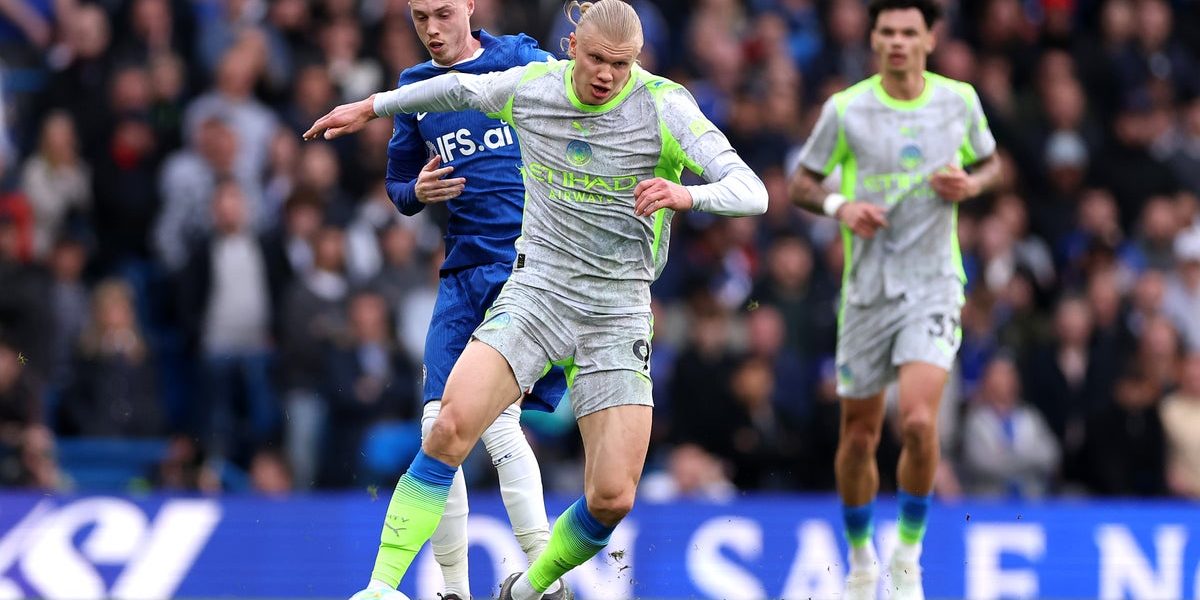
POLICY WIRE — London, UK — Wembley, that hallowed arena of English football, isn’t just hosting a game today. Oh no. It’s a crucible, folks—a high-stakes experiment in globalized capital and brand supremacy, thinly disguised as the FA Cup final. It pits Chelsea’s new American custodians against Manchester City’s Gulf-backed, impeccably engineered juggernaut. Forget the tactical intricacies for a moment; what’s unfolding is a masterclass in market penetration and soft power, draped in club colours.
It’s an afternoon where billions of dollars, and perhaps an equal measure of national pride (depending on which financial consortium you’re tracking), collide. And why? Because the prize isn’t merely silverware. It’s about leveraging a storied institution like the FA Cup, parading your assets, and asserting your economic footprint across every conceivable demographic—from suburban London to the sprawling, fervent fan bases stretching across South Asia. We’re talking hard data points in terms of viewership, mind you.
“This isn’t just about ninety minutes,” declared a spokesperson close to Chelsea’s American ownership consortium, pushing a slick digital tablet across the polished mahogany table. “It’s a foundational component of our long-term brand narrative, our stake in the global entertainment economy. Every fixture, particularly one with such widespread viewership, is a direct, measurable asset for shareholder value.” It’s stark, sure. But it’s also honest, reflecting a contemporary reality where sports have long shed any pretense of purely sporting romanticism.
Manchester City, meanwhile, operates on a slightly different, arguably grander, geopolitical calculus. Their consistent presence in such finals—this marks their fourth consecutive appearance, despite losing two of the prior three to less fancied opponents (imagine the boardroom critiques)—is less about simple victory and more about relentless visibility. Because, from a state-level investment perspective, consistent success is a slow, steady drumbeat of affirmation.
“Our investment transcends simple club ownership; it’s a strategic embrace of cultural diplomacy,” commented a high-ranking official within Manchester City’s parent company, speaking on background from a lavish suite overlooking Abu Dhabi. “The FA Cup provides unparalleled access to global audiences—from London to Lahore, from Mumbai to Marrakesh. It solidifies a narrative of influence, not just athletic dominance.” He’s not wrong. For many across the Muslim world, especially in nations like Pakistan, European football, particularly the Premier League clubs, represents a potent form of accessible, aspirational entertainment—and an implicit association with the Gulf’s ascendancy.
And let’s not pretend these colossal institutions aren’t hyper-aware of where every viewership decimal point lands. According to Deloitte’s 2023 Annual Football Finance Review, global commercial revenues for the sport, driven largely by broadcasting deals and sponsorships, collectively surpassed €27.8 billion last year. Every corner of the globe is a market. Wembley’s turf, for all its emerald beauty, is a mere stage for a transaction of immense proportions.
Chelsea’s manager, the interim boss Calum McFarlane, faces a Herculean task—to deliver a trophy without the accompanying weight of long-term executive expectations that have defined his American employers. He snatched a 1-1 draw against City in January; a minor miracle perhaps, but not the clean slate the consortium desperately craves for their colossal financial outlay. His squad, including talents like Enzo Fernandez who sealed their semi-final victory, now bears the weight of restoring shareholder confidence, to put it crudely.
📄 POLICY WIRE WHITEPAPER PUBLISHED: PAKISTAN'S NATIONAL SECURITY POLICY PRIORITIES
👉 READ BY CLICKING HEREManchester City’s veteran boss, Pep Guardiola, though, enjoys the cushioning of seemingly infinite resources and a squad deep enough to absorb minor injuries like Rodri’s lingering doubt or Josko Gvardiol’s recent return. Their goalkeeper James Trafford, typically reserved for domestic cup duties, is even getting the nod over their main man. This isn’t just team news; it’s a telling peek into the robust, meticulously planned asset management that underscores their dominance.
The betting markets tell their own cold, hard story: City are odds-on favourites at 8/11. Chelsea, by contrast, languish at 7/2. It’s less a forecast of pure athletic prowess, more a reflection of consistent investment strategies playing out on the field. Because ultimately, the flow of capital, not just the bounce of the ball, dictates these narratives now.
What This Means
The outcome of this FA Cup final, regardless of who hoists the trophy, provides a fascinating, if sobering, glimpse into the contemporary geopolitics of global sport. For Chelsea’s American owners, a victory would offer vital vindication of their aggressive financial strategies and an urgent boost to a brand image that’s been decidedly wobbly since their takeover. It’s a message that their unconventional, data-driven approach is yielding dividends, not just draining coffers. A loss, however, could intensify scrutiny on their investment thesis, questioning whether even vast sums can buy instant, reliable success in football’s volatile marketplace. Europe’s grand football sagas are increasingly dictated by such fiscal realities, after all.
For Manchester City, triumph would merely be another data point in their ongoing campaign of soft power projection. Their sustained dominance, backed by Abu Dhabi’s deep pockets, subtly but relentlessly reshapes global perceptions. It champions an image of efficient, modern leadership, skillfully interwoven with universal appeal of football. But, a defeat—particularly given their recent FA Cup stumbles—could slightly, just slightly, dent that sheen of invincibility. It would remind observers that even the most meticulously assembled, commercially savvy entities can fall short, providing a fleeting moment of parity against less heavily resourced rivals, if only on the pitch. This spectacle is, at its heart, a commercial conversion, football’s grandest spectacle marching to a global pop beat.