


Kenya’s Deluge: A Familiar, Fatal Script Unfurls Amidst Climate’s Relentless Grip
POLICY WIRE — Nairobi, Kenya — It’s become a grim annual ritual, hasn’t it? The seasonal downpours in Kenya — those life-giving torrents— have, with unnerving predictability, once again morphed into...

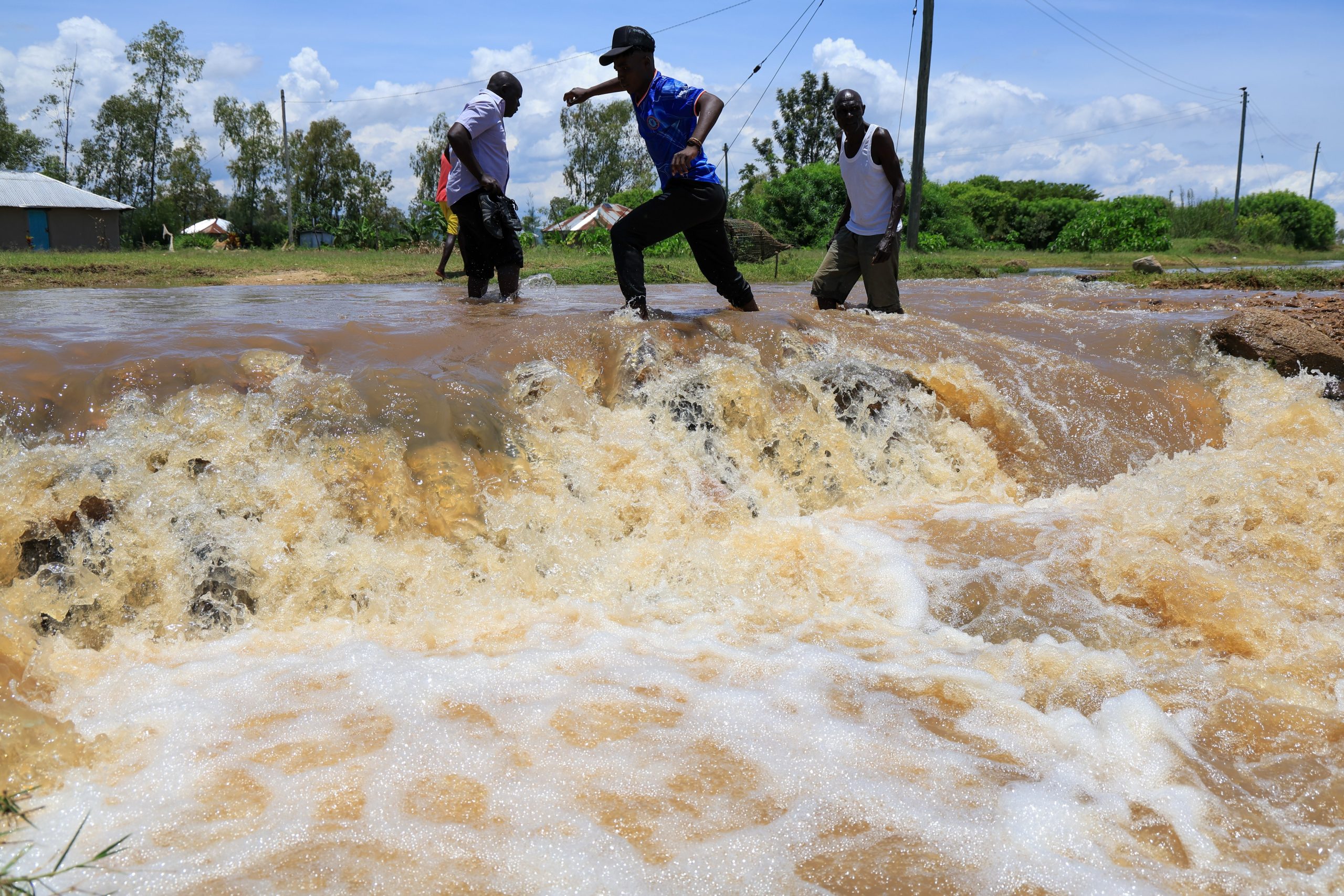
POLICY WIRE — Nairobi, Kenya — It’s become a grim annual ritual, hasn’t it? The seasonal downpours in Kenya — those life-giving torrents— have, with unnerving predictability, once again morphed into instruments of devastation. The deluge isn’t merely a weather event anymore; it’s a tragic, recurring character in a national drama of insufficient infrastructure and, some would argue, governmental lassitude. This past week alone, the relentless rainfall claimed at least 18 lives, uprooted over 54,000 households, and laid bare the country’s perennial vulnerability.
But this isn’t simply a story about rain; it’s about the predictable consequences of a planet in flux and nations ill-equipped to parry its blows. The sheer scale of the displacement—tens of thousands forced from their homes in a matter of days—paints a stark tableau of communities perpetually teetering on the precipice of disaster. Homes, livelihoods, and the fragile semblance of normalcy are washed away with an efficiency that’s both terrifying and, depressingly, entirely anticipated by those who’ve lived through these cycles before.
And so, the familiar cycle of emergency response spins up: aid agencies scramble, government officials issue solemn pronouncements, and the affected gaze blankly at the muddy detritus of their former lives. This year’s intensity, however, serves as a brutal reminder that each subsequent season seems to dial up the misery. “We’re confronting an unprecedented confluence of extreme weather patterns; it’s a global crisis demanding localized, robust resilience,” asserted Soipan Tuya, Kenya’s Cabinet Secretary for Environment, Climate Change and Forestry, in a recent address. “Our commitment remains unwavering to protect every citizen.” A noble sentiment, no doubt, but one often echoed as waters recede, only to be tested again with the next cloudburst.
Still, critics aren’t buying the ‘unprecedented’ narrative wholesale. Mwangi Kiunjuri, a prominent opposition figure — and former cabinet secretary, shot back with customary bluntness. “Each year, the same mournful bulletins, the same hollow promises. This isn’t just nature’s wrath; it’s the stark consequence of woefully inadequate infrastructure and a government that perpetually seems caught flat-footed.” He’s got a point. You’d think by now, with such clear patterns emerging, long-term, preventative measures would be aggressively prioritized. One doesn’t need a crystal ball to foresee the floods when the calendar turns to the rainy season.
Behind the headlines of immediate tragedy lies a deeper, more insidious narrative: that of climate change disproportionately lashing out at the global South. Kenya’s struggles echo those across vast swathes of the developing world. Consider Pakistan’s devastating 2022 floods—a catastrophe that submerged a third of the nation, displaced millions, and inflicted economic damages estimated at over $30 billion. From the Horn of Africa to the Indus River Basin, nations grappling with limited resources and burgeoning populations find themselves on the frontline of climate’s cruel, indiscriminate hand, their vulnerabilities magnified.
Indeed, the numbers paint a stark picture. The United Nations Office for the Coordination of Humanitarian Affairs (OCHA) reported that during Kenya’s 2023 long rains season, similar deluges claimed over 200 lives, displacing hundreds of thousands and highlighting a deepening, recurrent vulnerability. It’s not just a bad week; it’s a chronic condition. So many nations—especially in the Muslim world and broader South Asia—face similar climatic pressures, often compounded by rapid urbanization and construction in floodplains. They’re struggling to build infrastructure resilient enough to withstand events that are no longer considered exceptional, but rather, the new normal. And it’s a terrifying normal at that.
At its core, this isn’t merely about rainfall totals. It’s about urban planning that ignores natural drainage, about building codes (if they exist) that are flouted, and about early warning systems that fail to translate into effective evacuation or protection for the most vulnerable. It’s about systemic weaknesses, really—the kind that unmask global policy blind spots and administrative inertia when faced with existential threats. The economic fallout, too, is devastating; agricultural losses, damaged roads, and destroyed homes represent a compounding debt that stifles growth and entrenches poverty.
What This Means
The latest Kenyan flood crisis isn’t an isolated incident; it’s a stark indicator of mounting political and economic pressures that have far-reaching implications. Politically, the recurring nature of these disasters erodes public trust in governance. Citizens expect — demand, really — proactive measures, not just reactive aid. Failure to deliver could fuel social unrest and provide potent ammunition for opposition parties, potentially destabilizing an already delicate political landscape. For President William Ruto’s administration, these events test its capacity to deliver on development promises amidst escalating climate costs.
Economically, the constant need for emergency relief diverts crucial funds from long-term development projects. Rebuilding infrastructure, providing humanitarian aid, and compensating displaced communities drain national coffers, often forcing reliance on international donors and increasing national debt. Agricultural losses further compound food insecurity — and inflation, hitting the poorest hardest. It’s a vicious cycle that undercuts economic progress. the international community, while offering assistance, also faces donor fatigue when such events become commonplace. It means African nations, particularly, must accelerate climate adaptation strategies, requiring significant investment in resilient infrastructure, urban planning, and early warning systems. The alternative? A perpetual state of emergency, eroding human dignity — and developmental gains, one catastrophic downpour at a time.