


Grasse’s Resurgent Bloom: France Reclaims Olfactory Hegemony Amidst Global Scent Wars
POLICY WIRE — Grasse, France — It isn’t just about pretty smells; it’s about cultural sovereignty, economic reclamation, and the subtle, potent allure of provenance. While much of the global...

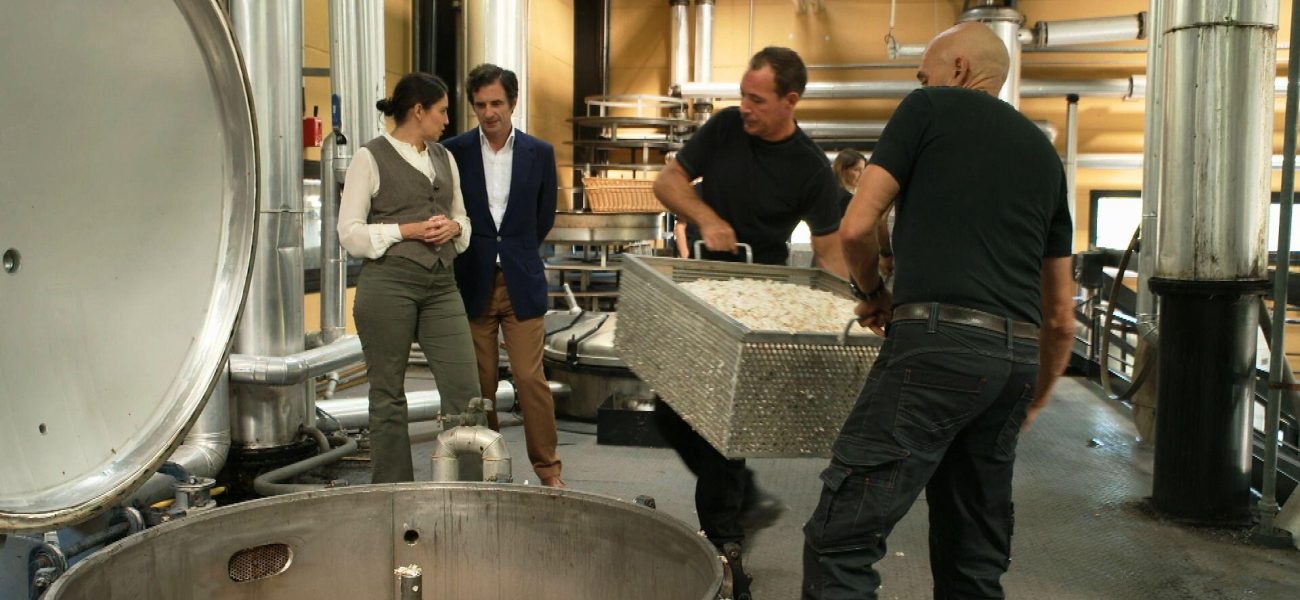
POLICY WIRE — Grasse, France — It isn’t just about pretty smells; it’s about cultural sovereignty, economic reclamation, and the subtle, potent allure of provenance. While much of the global economy grapples with supply chain dislocations and the relentless march of mass production, an ancient art in the sun-drenched hills behind the French Riviera is quietly reasserting itself. Grasse, long celebrated as the world’s perfume capital, a place whose very air once hung heavy with jasmine and rose, had seen its fragrant empire wane, its flower fields giving way to concrete. But now, it’s bursting back to life.
And what’s compelling this resurgence isn’t merely nostalgic sentiment; it’s a cold, hard calculation by luxury brands and a discerning consumer base hungry for authenticity. The town, birthplace of iconic fragrances like Chanel No. 5 (its very essence, some might contend,), had largely outsourced its flower cultivation decades ago, succumbing to cheaper labor and more expansive agricultural lands elsewhere. The shift left a void, not just in the local economy, but in the intangible narrative of French perfumery.
But the tide, it seems, has turned. Driven by a renewed emphasis on natural ingredients and traceability, major perfume houses — from Chanel to Dior and Louis Vuitton — are reinvesting, buying up land, and re-establishing the delicate floral farming that once defined Grasse. They’re not just planting flowers; they’re cultivating an image, an exclusivity, that few other regions can authentically claim. It’s a strategic move, positioning luxury fragrance as an artisan crafting exclusivity rather than a mere chemical blend.
“Grasse isn’t just a town; it’s the beating heart of an olfactory legacy that defines French luxury,” asserted Madame Sylvie Dubois, France’s Minister for Cultural Heritage, during a recent press tour. “We’re not merely reviving an industry; we’re reclaiming a crucial piece of our national soul — one petal at a time.” Her sentiment underscores a broader governmental recognition of Grasse’s symbolic and economic clout. Still, this isn’t merely about preserving heritage for heritage’s sake.
Behind the headlines, it’s an economic imperative. The global perfume market was valued at approximately $45.6 billion in 2022, according to reports from Grand View Research, and is projected to grow significantly in the coming years. Capturing a larger, more profitable segment of that market — specifically the ultra-luxury tier — hinges on narratives of quality, rarity, and origin. Grasse offers all three, in abundance.
Consider the delicate Centifolia rose, or ‘Rose de Mai,’ a bloom so ephemeral, so intensely fragrant, it yields its magic only once a year, its petals hand-picked at dawn. Or the Grasse jasmine, a smaller, more potent variant than its Indian or Egyptian cousins. “The re-localization of cultivation to Grasse isn’t simply about proximity; it’s a testament to the unparalleled quality of its terroir,” observed Dr. Alistair Finch, a fragrance historian — and consultant for several Parisian fashion houses. “It’s an inconvenient truth for global supply chains, perhaps, but one that yields an undeniable aromatic superiority.” This inherent advantage — a specific microclimate and centuries of horticultural expertise — can’t be easily replicated.
📄 POLICY WIRE WHITEPAPER PUBLISHED: PAKISTAN'S NATIONAL SECURITY POLICY PRIORITIES
👉 READ BY CLICKING HEREAnd it’s a lesson not lost on the broader global luxury market, including increasingly affluent consumers in South Asia and the Muslim world, where perfumery holds ancient, profound cultural significance. From the rich, woody oud often favored in the Middle East to the traditional attars of Pakistan and India, scent isn’t just an accessory; it’s an integral part of identity, ritual, and hospitality. The same appreciation for natural, potent, and ethically sourced ingredients that drives Grasse’s revival resonates deeply within these markets, often with their own venerable traditions of natural fragrance extraction.
Ultimately, Grasse’s renaissance represents a fascinating interplay of tradition and modernity, a strategic recalibration in the high-stakes world of luxury. It’s a quiet testament to the enduring power of place — its soil, its climate, its people — to shape global commodities and cultural narratives. And it’s a reminder that sometimes, the most profound innovations aren’t new inventions, but rediscoveries of what once made a place uniquely indispensable.
What This Means
Grasse’s perfume revival carries significant implications, extending beyond mere commerce to touch upon issues of national identity, economic sovereignty, and the future of global luxury. Politically, it’s a potent symbol of France’s commitment to preserving its cultural patrimony and asserting its soft power on the global stage. By investing in Grasse, the French state and its marquee brands reinforce the idea of French excellence and craftsmanship — a valuable export in itself. Economically, this resurgence creates high-value agricultural jobs and boosts regional tourism, offering a counter-narrative to the outsourcing trend that has plagued many traditional industries.
For the broader luxury market, Grasse’s triumph underscores a persistent shift towards authenticity — and sustainability. Consumers, particularly younger generations, are increasingly scrutinizing product origins — and ethical practices. This emphasis on ‘farm-to-flacon’ production allows brands to command higher prices and build stronger brand loyalty. It also implies a potential recalibration of global supply chains for other luxury goods, perhaps prompting similar reshoring efforts where unique regional advantages exist. The lesson here is clear: in an era of homogenization, true distinction — and thus true value — lies in the irreplaceable.