China’s Pivotal Role Secures Iran-US Ceasefire Amid Strait of Hormuz Tensions
POLICY WIRE — Islamabad, Pakistan — A crucial two-week ceasefire between Iran and the United States was formally announced on April 7, coming less than two hours before a significant deadline set by...

POLICY WIRE — Islamabad, Pakistan — A crucial two-week ceasefire between Iran and the United States was formally announced on April 7, coming less than two hours before a significant deadline set by then-US President Donald Trump for Tehran to re-establish access through the strategic Strait of Hormuz.
This critical diplomatic development originated from initiatives put forth by Pakistan’s Prime Minister Shehbaz Sharif. Pakistani mediators played a key role, facilitating the delivery of a comprehensive 10-point proposal from the Iranian government to the United States on April 6.
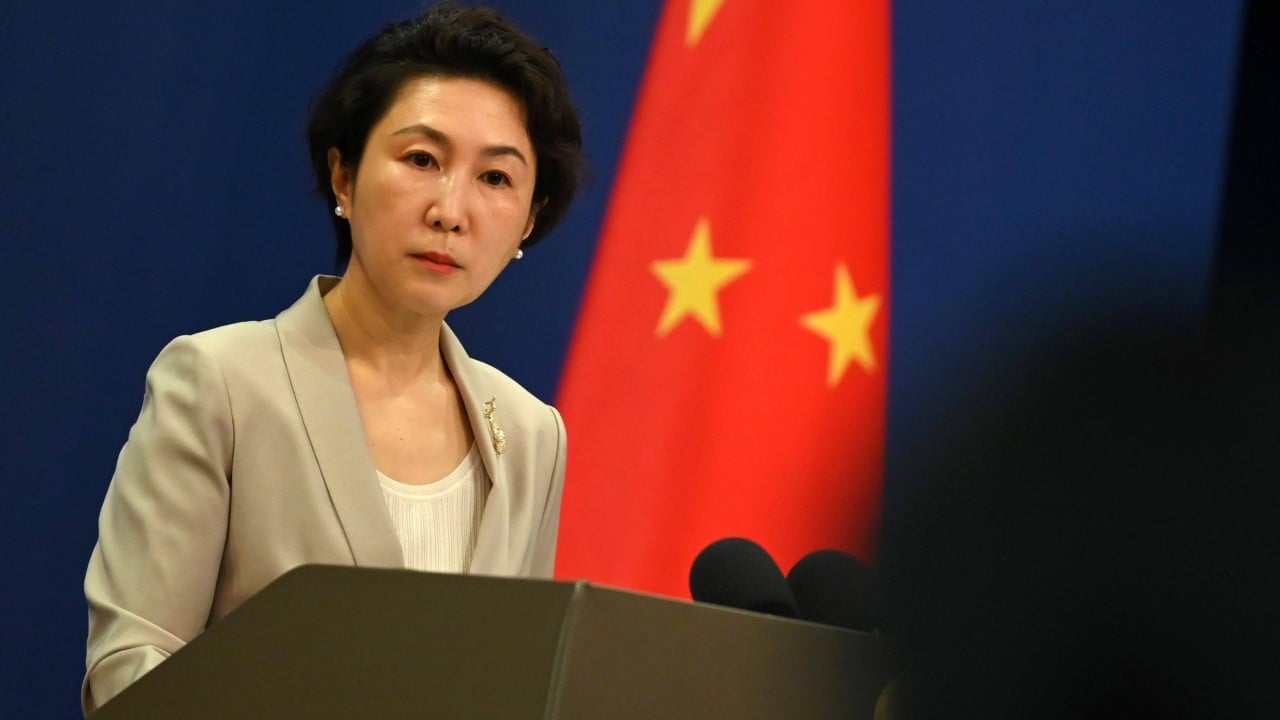
Iranian officials have confirmed that Tehran’s eventual acceptance of the truce was contingent upon a decisive, last-minute intervention from China. This highlights Beijing’s increasing influence in complex international mediations and its strategic engagement in maintaining regional stability. For additional context on regional dynamics, read about A Fragile Calm in the Gulf and Pakistan’s Economic Window of Opportunity.
China’s Expanding Diplomatic Footprint
The unexpected breakthrough in negotiations arrived precisely seven days following a period of intense diplomatic activity involving China and other key players. The rapid shift from an impending deadline to a ceasefire reflects the urgency and high stakes involved for all nations in the region and global trade.
The broader implications of such diplomatic efforts often extend to economic relationships, as seen in subsequent financial adjustments. The article UAE Recalls $3.5 Billion Deposit from Pakistan Post-Iran Ceasefire Mediation provides context on how these international agreements can affect regional financial dynamics.