

Chernobyl’s Unsettling Echoes: How Russia’s Invasion Shattered Nuclear De-escalation
POLICY WIRE — Kyiv, Ukraine — Not long ago, the desolate ghost city of Pripyat, mere kilometers from the scarred Chernobyl Nuclear Power Plant, had morphed into a morbid tourist destination, a grim...

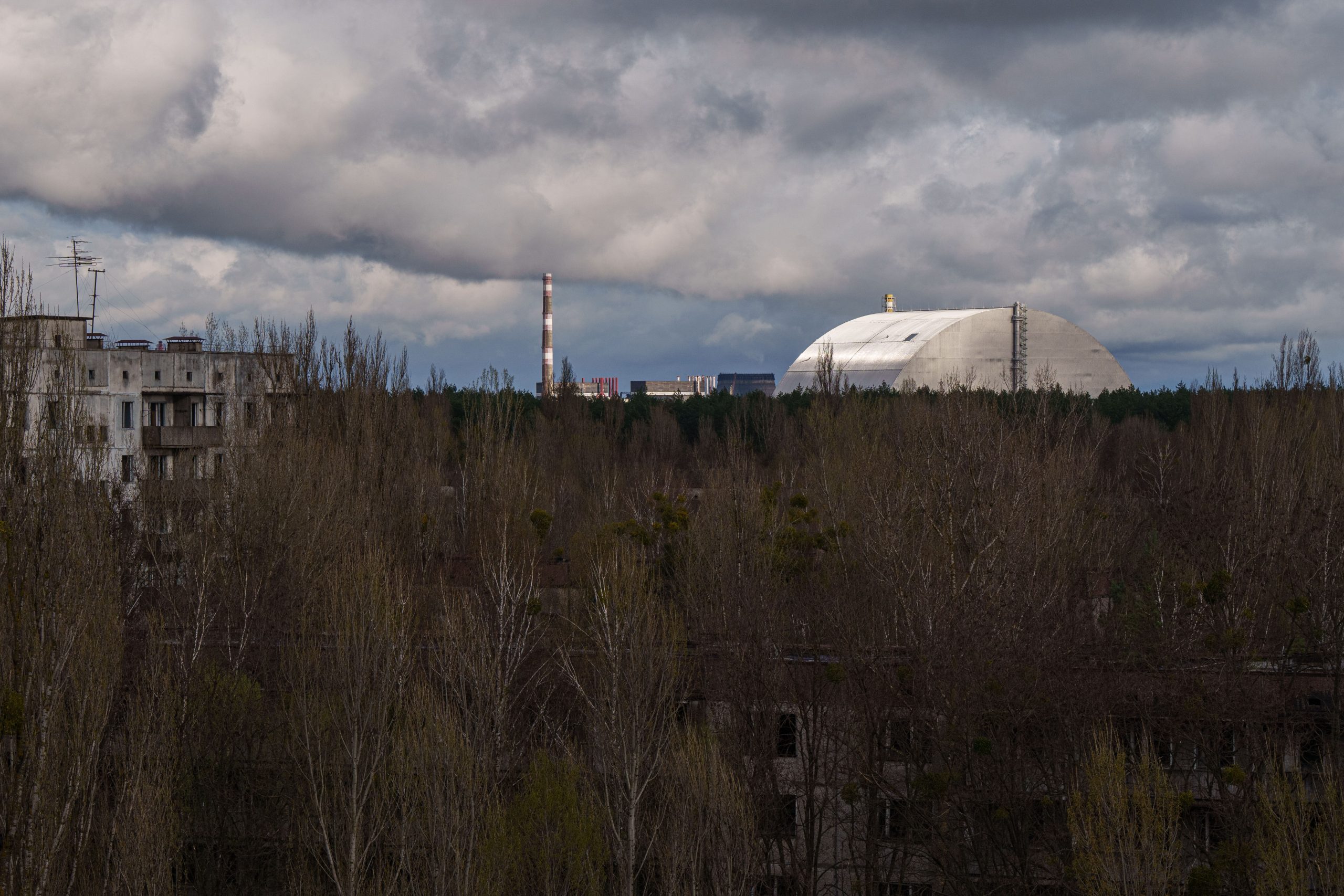
POLICY WIRE — Kyiv, Ukraine — Not long ago, the desolate ghost city of Pripyat, mere kilometers from the scarred Chernobyl Nuclear Power Plant, had morphed into a morbid tourist destination, a grim monument to a catastrophe muzzled, if never fully forgotten.
For decades, the global community poured billions into securing the site, presuming its dangers had been definitively managed. And yet, February 2022 violently rewrote that narrative.
Suddenly, the unthinkable. Reality. Russian forces, in a stunning tactical move, gobbled up the exclusion zone, transforming a symbol of international cooperation into a wartime battleground. Nobody saw *that* coming, right?
Few outside of a tight circle of nuclear safety experts (who, let’s be honest, often sound like Cassandra) had anticipated that a dormant disaster site, with its still-radioactive remnants, could become a strategic military objective. The sheer audacity of it. Left many speechless.
But the occupation wasn’t just symbolic; it was an egregious violation of international nuclear safety protocols, sending an icy finger tracing the vertebrae of policymakers and scientists alike.
“To commandeer a nuclear facility, particularly one like Chernobyl, isn’t merely an act of war; it’s an act of nuclear terrorism,” Ukrainian President Volodymyr Zelenskyy declared during the early days of the conflict. “The world won’t ever forgive this recklessness.”
His words weren’t hyperbole. For over a month, the site, including the New Safe Confinement (NSC) arch that entombs the infamous Reactor No. 4, was under military control, its dedicated Ukrainian staff held essentially hostage.
Imagine, if you will, the constant psychological toll on those workers — the unsung heroes who’d once tamed a catastrophe, now confronting a new, insidious threat — forced to maintain critical safety systems under armed guard, constantly fearing sabotage or accidental damage.
Power outages, a direct consequence of the fighting (and no small headache for the plant managers), also imperiled the cooling systems for spent nuclear fuel, a chilling reminder of the tightrope walk over an inferno required to prevent further environmental disaster.
International agencies, led by the International Atomic Energy Agency (IAEA), scrambled for access, their calls for demilitarization initially falling on deaf ears.
“Any military action near a nuclear facility is utterly irresponsible. The world can’t afford another Chernobyl, or worse,” IAEA Director General Rafael Grossi underscored at a press conference, his voice edged with urgency.
This episode laid bare the sheer, terrifying fragility of nuclear safety regimes in times of armed conflict — regimes painstakingly constructed over decades, built on norms and treaties designed for a different, perhaps more innocent, era — leaving everyone to wonder: What happens when the Geneva Conventions collide with reactor cores and radioactive waste?
The European Bank for Reconstruction and Development (EBRD), a chief patron for the new sarcophagus, had invested over €1.5 billion into the NSC alone, a monument to the global commitment to containing the 1986 disaster. All that effort. Seemed momentarily undone.
Behind the headlines, this crisis resonated acutely in places far removed from Eastern Europe. For countries like Pakistan, a nuclear-armed state with growing energy needs and a complex geopolitical neighborhood, the lessons were unvarnished.
How do nations fortify the safety of their critical nuclear infrastructure – whether civilian power plants or military sites – when regional tensions blaze up, or conventional conflict becomes a chilling possibility?
Pakistan, for instance, operates several nuclear power plants — and is expanding its nuclear energy program. Its geopolitical position in South Asia, bordering rivals and unstable regions, makes robust security protocols and international oversight paramount.
The Chernobyl incident underscored that even a “safe” nuclear site can become a terrifying wildcard if international norms protecting such zones are ignored by aggressor states. That’s a significant shift in thinking for many strategists.
What This Means
The occupation of Chernobyl wasn’t just a localized crisis; it fundamentally altered the calculus of nuclear security worldwide. Politically, it showcased a flagrant contempt for international humanitarian law and the specific protections afforded to nuclear installations.
Economically, the incident injected renewed uncertainty into global energy markets already reeling from the war. So it also highlighted the enormous financial burdens and logistical nightmares associated with managing nuclear sites under duress, potentially deterring future investment in nuclear energy, even as climate change clamors for cleaner alternatives.
Diplomatically, it laid bare the constraints of international bodies like the IAEA when faced with a determined state actor. While the agency eventually gained access and provided technical assistance, its inability to enforce immediate demilitarization was a chilling precedent.
For nations with nascent or expanding nuclear programs, especially across the Muslim world and developing economies, this incident serves as an unsparing seminar in risk assessment. It’s no longer enough to build robust facilities; ensuring their inviolability during conflict is now a primary, existential concern.
The implications spill over past just active reactors, touching upon the management of spent fuel and radioactive waste – materials that remain dangerous for millennia. Suddenly, the long-term stewardship of these sites assumes a new, more urgent strategic dimension.
Make no mistake, the world just got an unflinching reminder: nuclear safety isn’t merely a technical issue. It’s a geopolitical minefield, where even the vestiges of old disasters can be weaponized or, worse, become unintended catalysts for new ones.
The idea that international treaties and conventions would naturally protect such critical infrastructure feels anachronistic today, almost laughably naive.
Moving forward, states will likely demand stronger, more enforceable safeguards for nuclear facilities in conflict zones, pushing for binding commitments that transcend traditional warfare conventions. The current system, it’s clear, simply wasn’t built for this.
Rose Gottemoeller, a former Deputy Secretary General of NATO and a nuclear policy expert, puts it unsparingly: “We’d thought the physical containment at Chernobyl meant the conundrum had been ‘settled.’ We forgot the human element, the political will, or lack thereof, in wartime. This isn’t just about a reactor; it’s about the very future of global governance in an age of proliferating nuclear materials.” Her assessment leaves little room for optimism, but much for urgent action.