

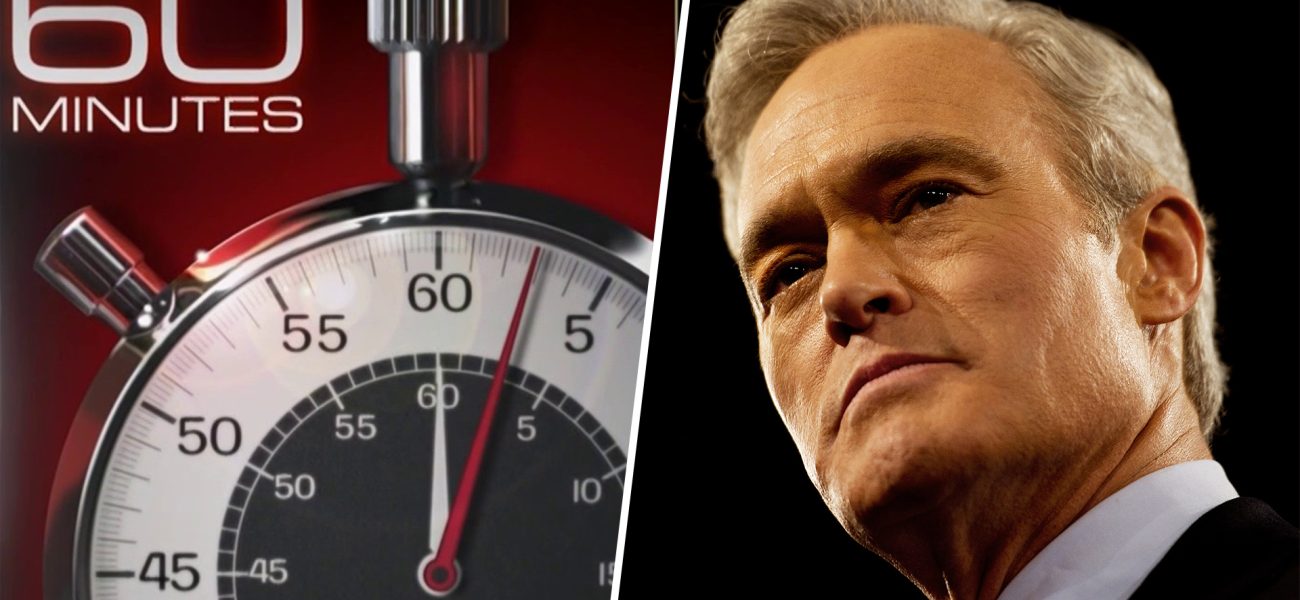
Dust-Up at the Broadcast Booth: Pelley’s Potshot at CBS Brass Raises Eyebrows
POLICY WIRE — Washington, D.C. — They say truth dies in darkness, but sometimes it just gets caught in an ugly boardroom spat, or so it would seem for one of American journalism’s storied...

POLICY WIRE — Washington, D.C. — They say truth dies in darkness, but sometimes it just gets caught in an ugly boardroom spat, or so it would seem for one of American journalism’s storied institutions. While much of the nation frets over a fragmented news landscape, the behind-the-scenes drama at CBS News has reportedly flared up again—with one of its most recognizable faces tossing what amounts to an editorial hand grenade at the network’s top brass. This isn’t just about personalities; it’s about the very soul of a news operation once considered the gold standard, grappling with a radically shifting media ecosystem.
It’s no secret that the venerable old guard of network news has been wrestling with declining viewership and shifting advertising dollars for years now. But when a figure as prominent as Scott Pelley, former anchor of the CBS Evening News and a long-standing voice on 60 Minutes, allegedly drops a bombshell accusation regarding the stewardship of one of television’s most iconic news magazines, folks tend to listen. He reportedly told staff that [QUOTE_PLACEHOLDER] in his role, directly implying managerial blunders and missteps at the highest levels were behind any perceived weakening of the program. This wasn’t some off-the-cuff remark in a smoky backroom; this was reportedly said in an internal forum, echoing through the corridors like a bad omen.
Pelley’s critique, stark as it was, isn’t unique in its sentiment. Newsrooms everywhere—from New York to Karachi—are grappling with tough decisions regarding budgets, talent, and editorial independence. When anchors who’ve logged decades report the news publicly then speak so bluntly internally, it spotlights systemic tensions. They’re watching their craft evolve—or devolve—under relentless financial pressure and new ownership imperatives. It’s a rough ride, to be sure. A 2023 Gallup/Knight Foundation survey found that just 26 percent of U.S. adults express a great deal or quite a lot of confidence in the news media, a stark figure that shows exactly what these legacy institutions are up against.
And what do such internal upheavals mean for the average viewer? For global coverage, particularly. Consider how American networks, traditionally, frame events in complex regions like South Asia. Or the broader Muslim world. Decisions made by a news division’s leader—the individual Pelley was reportedly critiquing—directly impact resource allocation. Does the network send a reporter to cover elections in Pakistan? Or does it cut foreign bureaus to save a few pennies? It’s these very calculations that, arguably, determine if a news organization truly serves its global audience or simply becomes another voice in an increasingly narrow domestic echo chamber. But, these are the unglamorous truths of modern broadcast journalism. The glitz is often a thin veneer over deeply embedded challenges.
One might easily brush this off as merely office politics—a star anchor feeling sidelined or a jaded veteran airing grievances. And certainly, the media world has never been short on egos — and power struggles. But for a show like 60 Minutes, renowned for its hard-hitting investigative pieces and interviews, any accusation of decline from within its own ranks isn’t trivial. It hints at a malaise affecting the ability of even its most seasoned journalists to do their work effectively. They’re saying it loud and clear: the suits in the executive suites are playing games with something that isn’t just a business, but a public trust. Pelley’s alleged comments represent a crack in the carefully constructed facade of network cohesion.
📄 POLICY WIRE WHITEPAPER PUBLISHED: PAKISTAN'S NATIONAL SECURITY POLICY PRIORITIES
👉 READ BY CLICKING HEREBecause ultimately, these kinds of leadership choices trickle down. They affect what stories get told, how they get told, — and who gets to tell them. Whether it’s about a political scandal at home or the ongoing geopolitical shifts in the Middle East, a compromised or struggling news organization struggles to maintain its authority. And without authority, well, it’s just another broadcast, indistinguishable from the digital din.
What This Means
Pelley’s reported outburst isn’t just internal company chatter; it signals a potentially worrying trend for American journalistic integrity and its global reach. Politically, the diminishing health of institutions like 60 Minutes means a further narrowing of in-depth reporting that can hold power accountable. As traditional media cedes ground—often due to internal squabbles and poor leadership—the public increasingly turns to less vetted, more partisan sources. This erosion contributes directly to the polarized political discourse we see today. Economically, these high-profile criticisms can rattle investor confidence in media conglomerates already struggling with advertising revenue and shifting consumption patterns.
From a policy standpoint, the implications are profound. When major networks are seen to be failing in their mandate for public interest journalism, there’s an immediate vacuum. Who fills it? Often, it’s state-backed media from other nations or digital platforms with questionable editorial standards. This has real geopolitical consequences, impacting how American narratives are understood—or misunderstood—in places like Afghanistan, Bangladesh, or Egypt. A weak U.S. media translates to a less informed public both domestically and abroad, making it harder for policy decisions to be grounded in well-researched truth rather than hearsay or biased information. It’s a systemic vulnerability that, honestly, keeps many of us journalists up at night.