


Catalonia’s Scorched Earth Mandate: Europe Grapples With a Fiery New Normal
POLICY WIRE — Barcelona, Spain — Forget the sun-drenched postcards. A different, far more unsettling kind of silence fell across Catalonia this week, not of quiet reverence in a grand cathedral, but...

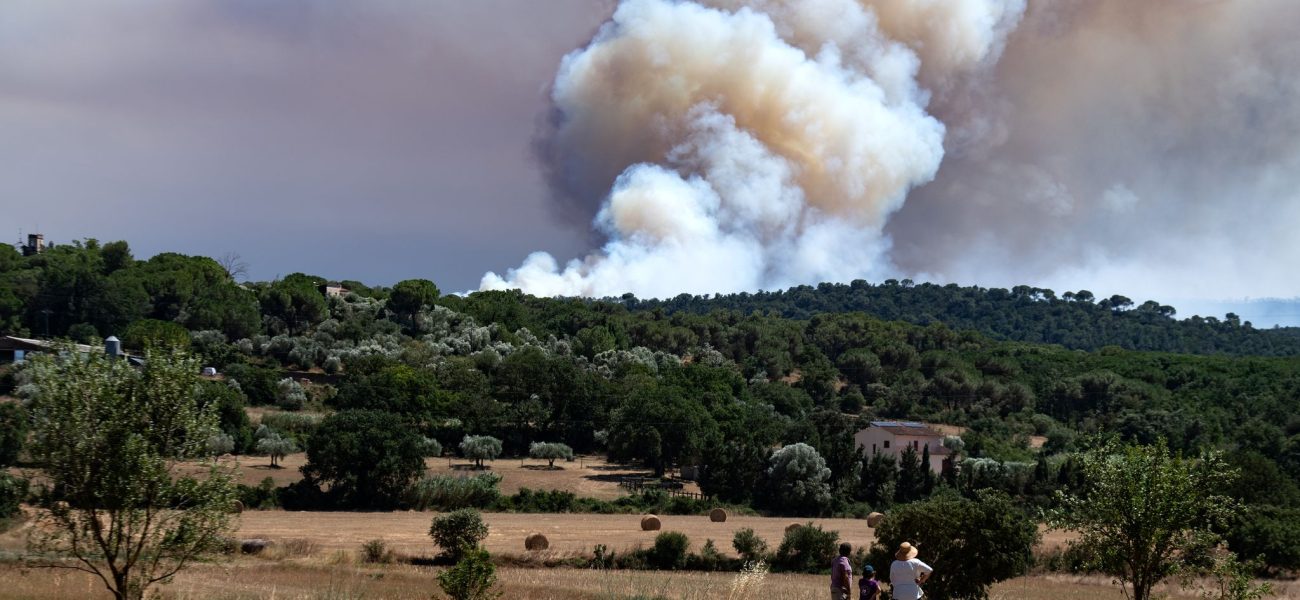
POLICY WIRE — Barcelona, Spain — Forget the sun-drenched postcards. A different, far more unsettling kind of silence fell across Catalonia this week, not of quiet reverence in a grand cathedral, but the imposed stillness over 45,000 lives. People told to simply exist indoors, sealed off from an enraged landscape. It’s a surreal lockdown, not against a virus, but against the very air, now thick with ash and desperation as wildfires churn across the region’s parched heartland. The usual rhythm of Mediterranean life, built on ancient cycles, it’s breaking.
It began as a typical summer warning: high temperatures, dry winds. But the dry became bone-dry, — and the winds, they started to shriek. What started as a flicker erupted into an inferno chewing through thousands of hectares (approximately 24,700 acres, if we’re getting technical). Local authorities quickly declared a state of emergency, herding residents into impromptu shelters or instructing them to barricade themselves at home. It’s a chilling reminder that, for all our technological boasts, Mother Nature, she still calls the shots. And lately, she seems to be playing rough.
But this isn’t just a Spanish crisis; it’s a stark, smoking bulletin from the front lines of global climate collapse. And we’re seeing its brutal effects everywhere. Look, the arid plains of Catalonia, desperately clinging to dwindling moisture, share a tragic kinship with the parched fields near Thatta in Pakistan. There, salt ingress from a rising Arabian Sea continually ruins fertile land, or with Sindh’s coastal communities, constantly bracing for cyclonic threats. The specifics differ, sure. But the grinding, inexorable shift toward increasingly challenging, if not entirely uninhabitable, zones? That’s a universal tongue, isn’t it?
“We’re facing conditions we’ve barely seen before, truly unprecedented in their scale and ferocity,” Pere Aragonès, President of Catalonia, told reporters, his face etched with fatigue. “Our priority, it’s always lives — and homes. But this is more than an incident; it’s a terrifying pattern, isn’t it? It requires us to rethink everything.” He’s not wrong. They’re deploying everything they’ve got: air assets, ground crews, a truly massive effort.
And the long-term forecasts? They’re hardly encouraging. The European Forest Fire Information System (EFFIS) recently reported that 2022 saw the second-highest area burned in the EU since records began in 2000, with more than 900,000 hectares going up in smoke. But it’s not just the land; it’s the human element. The sheer emotional toll, the uprooting. Small towns, the anchors of Catalan identity for centuries, they’re suddenly vulnerable, their futures, if they’ve one, now hinge on capricious winds and overstressed fire brigades. This isn’t just about trees burning; it’s about communities fraying, traditions evaporating like morning dew in a heatwave.
“The Mediterranean basin, it’s a particularly vulnerable hotspot,” explains Dr. Genevieve Dubois, a leading climate resilience expert at the European Environmental Agency. “The increasing intensity and frequency of these megafires, it’s an irrefutable symptom of deeper systemic issues – a symptom that’s costing lives, property, and significant economic output. Policy responses, they need to catch up, like yesterday.” Because, honestly, what good is a fire plan designed for last century’s climate?
What This Means
This Catalan inferno, it’s not just a regional disaster; it’s a vivid, brutal snapshot of Europe’s deepening climate vulnerabilities. For one, the economic fallout, it’ll be substantial. Agriculture, tourism, infrastructure – all take a hit. And that’s a hit that cascades. Think about supply chains. Think about regional GDP. Beyond the immediate emergency, there’s the political pressure building on governments, both national and EU-wide, to not just react but to proactively adapt. It won’t be enough to just send in the planes; they’ll need real, difficult policies on land management, water usage, and perhaps most controversially, controlled burns. You know, preventative measures.
But the ramifications, they stretch further than just local economies. These sorts of events, they fan the flames of internal migration, pushing people from scorched rural areas toward already strained urban centers. And that, it creates its own brew of social — and infrastructural headaches. Internationally, it paints Europe as another region struggling under the weight of climate change, aligning it with nations historically viewed as ‘developing’ in their climate fragility – much like New Mexico’s struggles with aridity. It blurs the lines. Portugal’s early pleas, remember those? They weren’t isolated. Europe, it’s now a key theater in the global climate crisis. The stakes, they couldn’t be higher.
This isn’t merely a headline about a fire; it’s a policy nightmare playing out in real-time, demanding an urgent recalibration of priorities across the board. The era of comfortable complacency, it’s definitively over.