


As Wildfires Scorch New Mexico, An Arid Future Comes Knocking
SILVER CITY, N.M. — The acrid scent of juniper smoke, that pervasive aroma of summer in the American West, has long been a familiar ghost on the wind. But this year, it carries with it a new,...

SILVER CITY, N.M. — The acrid scent of juniper smoke, that pervasive aroma of summer in the American West, has long been a familiar ghost on the wind. But this year, it carries with it a new, unnerving urgency across New Mexico’s rugged Gila wilderness. It’s not just a seasonal nuisance anymore; it’s the visceral reality of a planet in flux, a stark reminder that even seemingly isolated local events are threads in a far larger, increasingly frayed, global arid landscape.
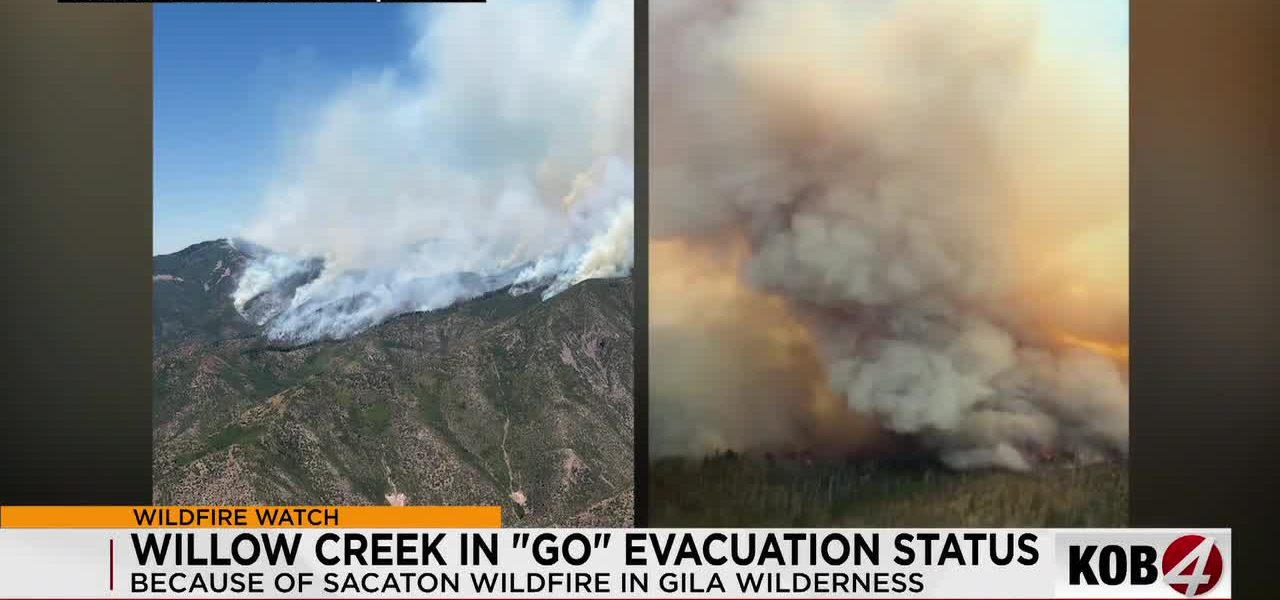
It was never going to be easy. Not with the Sacaton Fire, a beast born of lightning, now chewing through precious acres south of the Willow Creek subdivision. And for those folks, life changed in an instant. GO evacuation status — the blunt, unambiguous demand to abandon homes and belongings — dropped on their heads, like a ton of bricks.
Catron County Sheriff Carl Bingham, a man whose tenure has seen more than his share of natural disasters, didn’t mince words. “Look, we don’t take these decisions lightly, not ever,” he stated, his voice a gravelly echo of hard-won experience. “People’s safety, their lives — that’s what’s paramount, plain and simple. It’s tough on everyone, rips communities apart for a spell, but ignoring these fire conditions? That’s just not an option when you’re staring down an inferno.” You can practically hear the weary resignation in his voice. They’ve seen this play out before. Many times.
The fire, ignited a tense Sunday, June 21, took root deep within the Gila Wilderness, just 3.5 miles west of the Mogollon Baldy Lookout, a beacon that usually watches over, rather than into, trouble. Now, it’s watching trouble burn. Officials from the Gila National Forest were pretty clear on why Willow Creek got the GO signal. They noted the aggressive fire behavior — and prevailing winds made recommending the order unavoidable. “The sustained dryness this season, coupled with these erratic, gusting winds… we’re observing conditions that facilitate rapid and unpredictable spread,” explained Forest Service Public Information Officer Lena Alcott, sounding utterly exhausted. “We’re doing our best to manage what’s manageable, but Mother Nature often writes the final act, doesn’t she?”
And so, New Mexico Highway 159, a lifeline for these parts, now lies severed, blocked east of Mogollon to Willow Creek. Smoke billows. It’s a visible menace from the Gila Cliff Dwellings far to the east, paints the Lordsburg sky a hazy orange to the south, drifts along U.S. Route 180 to the west, — and even darkens the horizon near Quemado in the north. It’s an enormous, chokingly thick pall, signaling not just local disaster but a larger environmental trend. These megafires aren’t just a U.S. phenomenon, you know. Think about Europe’s annual summer blazes or the devastating forest fires that regularly plague Pakistan’s diverse but often parched landscapes, especially in areas like Balochistan or the Margalla Hills. The underlying causes—extended droughts, extreme heat, human activity—they echo across continents, don’t they? And the human toll, the forced displacements, feel frighteningly similar.
Evacuation alerts here, a grim hierarchy: Level 1, or “Ready,” means get your ducks in a row; Level 2, “Set,” means the danger is knocking and you’d best be primed to bolt; Level 3, “Go, Now!”—that’s it, out, yesterday. Willow Creek isn’t the first, — and it won’t be the last. This isn’t just about fighting a fire; it’s about adapting to a new normal. Data from the National Interagency Fire Center (NIFC) indicates that the average annual acres burned in the U.S. since 2000 has surged by over 40% compared to the prior decade, a relentless climb year after year. Because fire seasons, thanks to a warming climate, aren’t just starting earlier; they’re lasting longer. Much longer.
What This Means
This isn’t merely a localized emergency; it’s a policy predicament writ large across arid lands globally. For New Mexico, and specifically communities like Willow Creek, these frequent, high-intensity fires present a multi-faceted challenge. Economically, you’re talking about direct property losses, a devastating hit to local tourism — the Gila National Forest *is* a draw, or it was — and the crushing, often unquantifiable, cost of emotional trauma and community disruption. And who pays for the gargantuan cost of deploying crews, equipment, — and managing the long-term aftermath? Mostly taxpayers. Always taxpayers, really. It drains state — and federal coffers, redirecting funds from other social services or infrastructure projects. The politics here are deeply entrenched, involving contentious debates over forest management strategies (thinning, prescribed burns), water rights, and the scale of investment in rural emergency infrastructure.
Then there’s the broader environmental policy angle. While this fire is naturally ignited, the scale — and intensity are undeniably exacerbated by a century of warming. It places pressure on policy makers to enact — and enforce — more stringent climate action. But political will, especially in states where economic interests sometimes clash with environmental protection, often feels like a scarce resource, doesn’t it? The question becomes, how many homes must burn, how many livelihoods must vanish into smoke, before rhetoric transforms into decisive action? These incidents don’t just clear forests; they strip bare the limitations of current policy, demanding a long-term strategy for resilience, rather than just reactive crisis management. Because if you don’t plan, if you don’t adapt, what happens when there’s nothing left to evacuate?