


Canada’s Emerald Aerie: A Policy Flashpoint in the Thirsty Global South
POLICY WIRE — Ottawa, Canada — It’s not often that a solitary, impossibly blue lake — nestled deep within the craggy fastness of British Columbia’s Coast Mountains — becomes a quiet flashpoint...

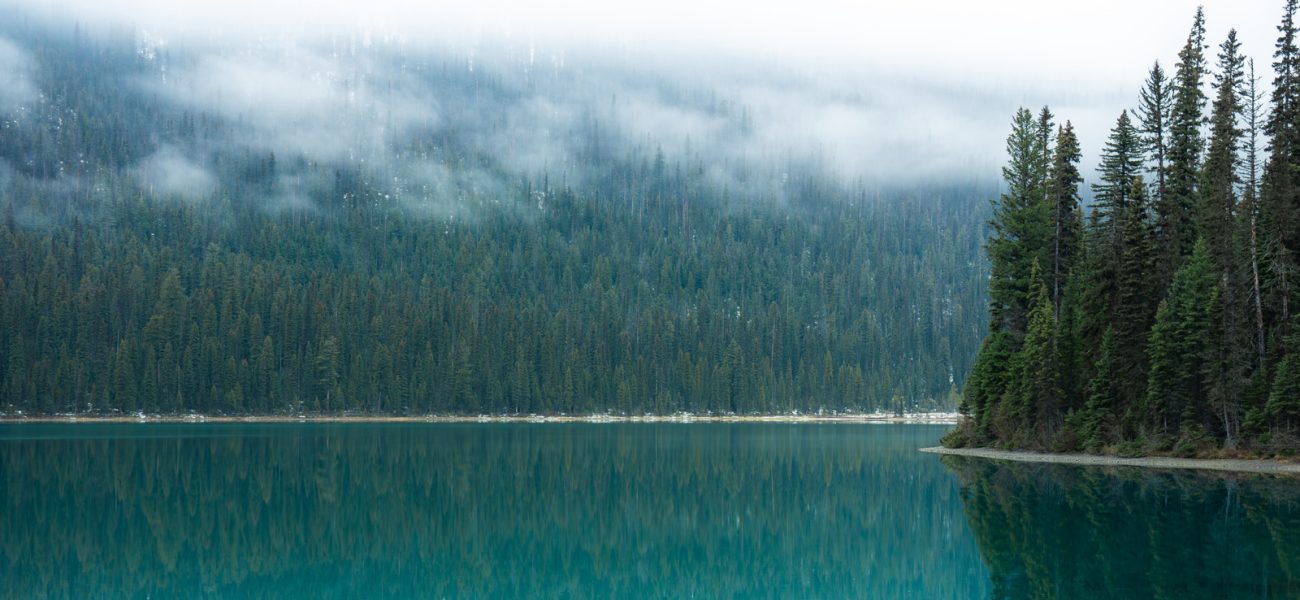
POLICY WIRE — Ottawa, Canada — It’s not often that a solitary, impossibly blue lake — nestled deep within the craggy fastness of British Columbia’s Coast Mountains — becomes a quiet flashpoint in global policy discourse. But this particular body of water, a shimmering anomaly of glacial melt and untouched bedrock, isn’t just a picturesque postcard for the intrepid few who manage to reach its shores. No, it’s far more than that; it’s a bellwether, a potent symbol of dwindling natural abundance in a world increasingly parched and politically volatile.
Behind the headlines of geopolitical tussles and economic tremors, a silent, more fundamental contest is brewing: the struggle over pristine resources. This lake, unnamed in official tourism brochures but whispered about in elite adventurer circles, represents a stark, almost audacious contrast to the environmental desolation plaguing much of the globe. Its waters, so clear one can discern pebbles at astonishing depths, aren’t merely beautiful; they’re an unadulterated commodity, a liquid asset whose value climbs exponentially with every drought, every contaminated aquifer elsewhere.
And Canada, with its disproportionate share of the world’s freshwater, finds itself increasingly the steward — or perhaps, the reluctant gatekeeper — of such irreplaceable treasures. It’s a role fraught with political complexities, domestically — and internationally. “We’re not just preserving a view here; we’re safeguarding a vital global resource,” shot back Environment Minister Eleanor Vance during a recent, untelevised parliamentary committee hearing. “The ecological integrity of places like this lake isn’t just a national priority; it’s an existential one, a legacy for generations well beyond our borders.” She wasn’t wrong, not by a long shot.
But preservation clashes, inevitably, with access — and economic opportunity. That’s the rub, isn’t it? The sheer remoteness, once its primary defense, now also forms its exclusive allure. Getting there involves bush planes, arduous treks, or highly specialized (and expensive) guided expeditions. It’s an exclusivity that inadvertently elevates its status as a luxury commodity, attracting a specific brand of high-net-worth individual, some of whom hail from nations where clean, accessible water is a distant memory.
Still, the provincial government, ever eager for revenue, walks a tightrope. “Sustainable tourism isn’t just a buzzword for us; it’s the operational directive,” insisted British Columbia’s Minister of Tourism, Arts, Culture and Sport, Lana Chen, in a terse statement to Policy Wire. “We’re developing frameworks that ensure minimal impact, while simultaneously showcasing the unparalleled natural beauty that draws visitors and investment. It’s a delicate balance, one we’re committed to mastering.” Her department’s latest report estimates that high-end nature tourism contributes a significant — if localized — boost to provincial coffers, generating upwards of CAD 500 million annually in direct and indirect revenue across remote regions like this one.
Consider the broader context. While this Canadian lake sparkles in splendid isolation, vast swathes of the world, particularly in South Asia and the Muslim world, grapple with chronic water scarcity. Pakistan, for instance, a nation of over 240 million, faces what many experts describe as a looming water crisis, exacerbated by climate change and inefficient resource management. The stark dichotomy isn’t lost on observers: one nation stewards an abundance so profound it’s almost an embarrassment of riches, while others confront the measurable decline of even basic resources amidst ongoing political upheaval and environmental degradation. It makes you think, doesn’t it?
📄 POLICY WIRE WHITEPAPER PUBLISHED: PAKISTAN'S NATIONAL SECURITY POLICY PRIORITIES
👉 READ BY CLICKING HEREAt its core, this lake embodies a complex geopolitical irony. Its sheer pristine existence implicitly critiques global environmental policy failures, serving as both a benchmark and a rebuke. Policymakers elsewhere, watching global warming accelerate, might look at Canada’s untouched wilderness with a mixture of envy and grim foresight. It’s an inconvenient truth for many developing economies, where the very act of preserving such natural capital seems a luxury they simply can’t afford, battling as they’re with more immediate, pressing economic currents.
What This Means
The quiet emergence of such remote natural wonders onto the global policy radar signals a profound shift in how nations – and the global market – value environmental assets. No longer mere backdrops for leisure, these pristine spaces are evolving into strategic holdings, much like mineral deposits or vital trade routes. Politically, Canada will face increasing scrutiny, even pressure, to manage these resources not just for its own citizens but with a broader, increasingly desperate, global community in mind. This could manifest in debates over water export, environmental aid, or even climate refugee policies.
Economically, the allure of untouched nature will continue to drive a niche, yet incredibly lucrative, luxury tourism sector. This creates a fascinating tension: the more exclusive and pristine a location remains, the higher its market value, but also the greater the environmental pressure from those seeking that exclusivity. Governments, therefore, find themselves balancing the tangible, immediate benefits of tourism revenue against the long-term, often intangible, value of ecological preservation. It’s a high-stakes gamble, one whose true costs — and benefits will only become clear generations from now. So, while the lake itself offers a picture of serenity, its policy implications are anything but placid.