

Blockage of Strait of Hormuz: Global Impact of a Ticking Time Bomb
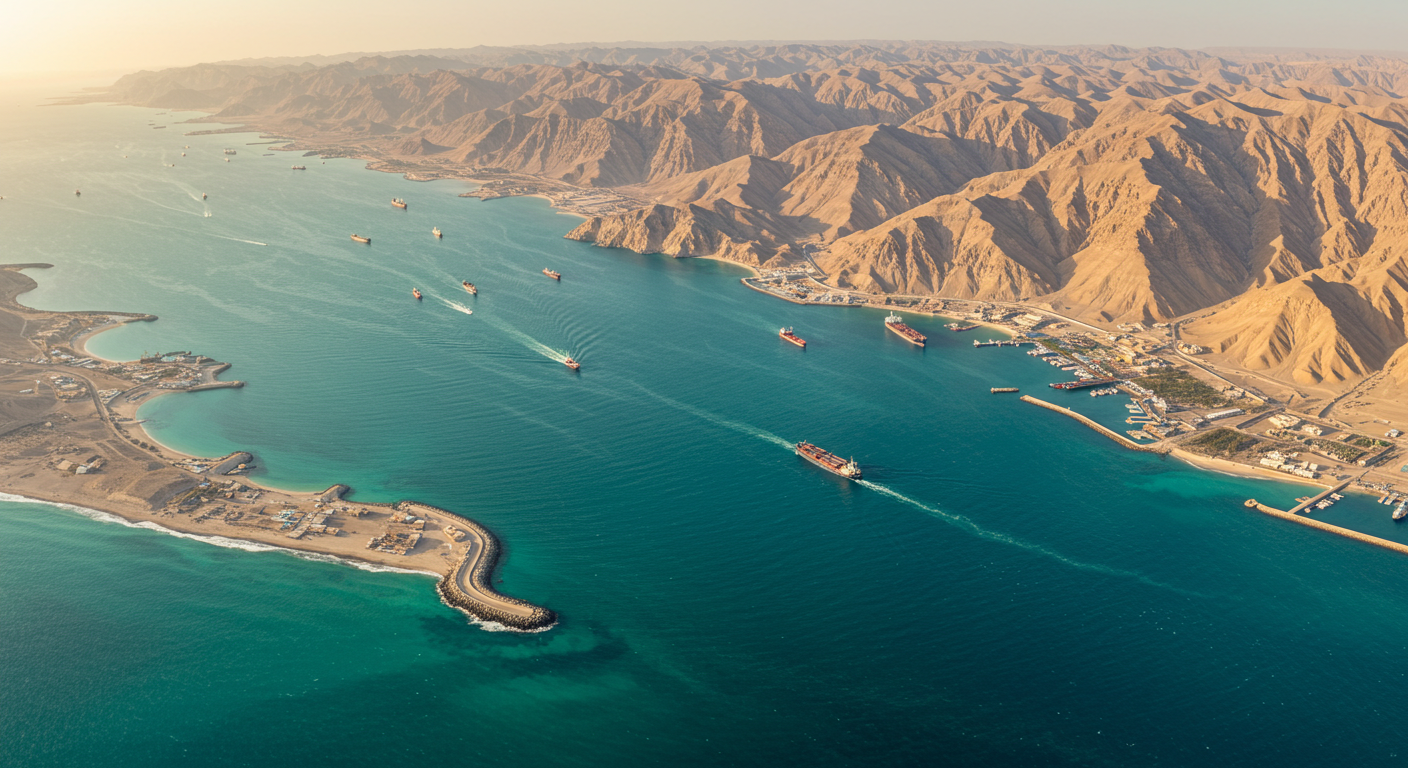
In between Iran and Oman, the Strait of Hormuz represents the lifeblood of the world’s energy movement. Each day almost 20 million barrels of oil representing a little less than 20% of global oil...

In between Iran and Oman, the Strait of Hormuz represents the lifeblood of the world’s energy movement. Each day almost 20 million barrels of oil representing a little less than 20% of global oil demand travel through this vital choke point. Over a quarter of the world’s oil transported via ocean vessels depends on this waterway. For all the countries in Asia and Europe this shipping lane represents a life-giving energy artery. With tensions rising again in the Middle East, the thought of a blockade, even if brief, has caused alarm across global markets and in political spheres.
The strategic importance of Hormuz cannot be diminished. More than 84% of oil shipped through this region goes to countries like China, India, Japan, and South Korea. There are pipelines in the region, and while those pipelines can re-route oil supplies if necessary, they can only do so on a limited basis with about 2.6 million barrels per day available for disruption. Any disruption, even in the short term, does not just disrupt energy supplies it carves into every component of the global trade matrix.
A Blockade’s Immediate Impact on Oil Prices
Oil markets are particularly vulnerable to consequences of disruption in Hormuz. When conflict looks imminent or makes even the slightest threat, global crude or oil prices typically rise. Over the past few months’ crude oil prices have already increased from $69 to $74 per barrel due to only rising geopolitical tension. Analysts predict that should Hormuz be blocked entirely; prices could reach $120 to $130 per barrel. Even more conservative estimates project oil could get to $100 per barrel in mere days.
The immediate consequences would be felt. A spike in crude oil price would increase the price of gasoline, diesel, jet fuel, and heating oil. This would also have a serious impact on the global economy, which is already fighting inflation. Research by some economists indicates that a mere $10 increase in oil price would affect GDP deficit by 0.3% of the oil-importing countries such as India and would rise quasi 1 percentage point of wholesale inflation.
Shipping insurance premiums for tankers routing near Hormuz would rise substantially. For tankers, charter rates could double or triple due to risk surcharges. As tankers would either route around the strait or stop their voyages, global supply chains would suffer another disruption. Everything in the global economy, including everything from food to manufactured goods would increase in price.
Economic Blow to Major Oil Importers
The economies that would be hardest hit are those that import oil from the Gulf. For example, India imports more than 85% of its energy needs and nearly half of that is transported through the Strait of Hormuz. A temporary disruption could throw havoc into its domestic energy market. Fuel prices have increased markedly and inflation would take its toll on consumer purchasing power.
Japan is another major importer of oil which gets about 75% from the Middle East primarily through Hormuz. While Japan has strategic reserves, they are designed to cope with manageable temporary shocks to supply; not sustained crises. Japanese utility companies and gas suppliers would be feeling the pain almost immediately, and would be passing increased costs to businesses and homes.
European countries may not be as reliant on Hormuz as their Asian peers, but they too would suffer from spikes in inflation. Even with alternative supply routes from Russia, Africa, and the Americas, higher oil and gas prices would create ripple effects as manufacturers would face increased costs, transporters would face increased costs and consumers would face increased costs. Rising energy prices across the Eurozone would dramatically lower industrial output and increase inflation pressures on the Eurozone.
Beneficiaries of the Crisis: Who Gains?
Interestingly, not everyone would be hurt. Aside from Gulf countries, other oil-producing countries would financially benefit in the U.S. at least with even higher crude prices. The U.S. is presently the world’s biggest oil producer, and benefiting from these crude prices. Domestic shale producers could grow their profit margins and U.S. crude exports would now be very competitive. Even Russia, under continuous and severe Western sanctions would eventually be able to cash in. Oil prices would from there be open to allowing countries like China and India purchasing ever-increasing discounted quantities of Russian crude to help recover some lost revenue.
📄 POLICY WIRE WHITEPAPER PUBLISHED: PAKISTAN'S NATIONAL SECURITY POLICY PRIORITIES
👉 READ BY CLICKING HEREVenezuela, now benefitting from sanctions could adjust their line of thinking. Demand globally is rising and supply is going to get tight so the U.S. might have thought about relaxing their restrictions to put everything back in reasonable operational order. This would permit Caracas back into the energy markets with fewer restrictions, especially in Asia and Latin America. Pandemic considerations would allow even some of the little regional producers, Brazil and Azerbaijan for instance, to benefit financially from higher global prices, and if Saudi Arabia and the UAE had been cut off from Hormuz, they could offer to supply in the interim.
Political and Market Repercussions
A full blockade would almost certainly lead to some military action. Do the United States and its allies want to continue accepting this intimidation? They have made it clear that freedom of navigation in the Strait of Hormuz is not up for discussion. In fact, naval assets are already in motion as part of their deterrence strategy. At this point, either a collision occurs or the United States faces a dilemma because if the international norm is violated by sense, changes must be made. At this juncture, naval assets are already being deployed. A sizeable escalation would likely result in some sort of a direct military confrontation leading to the most significant likelihood of a contested regional war.
Financial markets will also not be exempt. Given concerns of inflation and being at the start of a slowdown, stock indices are likely to drop again. Individuals who own stocks, whether institutional or personal, will be thinking of switching their holdings to a safe haven, such as gold, U.S. Treasury bonds and dollars. These situations have historically resulted in increased commodity prices, capital flight from emerging markets and increased volatility in global equities.
Central banks, who have only just gotten back on their feet from the last economic shock, will once again be under scrutiny. Rising energy prices will worsen inflation data, notwithstanding the fact that interest rate hikes likely come back to being an immediate consideration and without even thinking about the slowing growth of countries that are returning from negative growth.
A Call for Diplomacy and Global Preparedness
In light of these uncertainties, international policymakers are calling for caution and dialogue. Many countries have started contingency planning: building up strategic oil reserves, finding alternative shipping routes, and enhancing regional alliances. But no level of planning can replace the economic shock of a long-term blockade.
The Strait of Hormuz is not simply a local shipping route, it is an artery for energy, trade, and financial stability across the globe. Any disturbance could cause ripples across the globe affecting billions of people. While tensions still exist, we must still be hopeful that there is room for diplomacy and multilateral international pressure to avoid a disaster. In today’s interconnected world, a crisis in one region could ultimately become a crisis for all. A chokepoint as critical as Hormuz is not something the world can afford to gamble with. The risks that are involved are simply too high, for governments, for markets, and for people.
Author