

America Just Hit Iran’s Nuclear Sites. What Happens Next Could Change Everything
Pakistan has made a very stern rebuke of the recent U.S. bombing of the Iranian nuclear plants in a snap and wake up call to other countries around the world that international laws must be observed...

Pakistan has made a very stern rebuke of the recent U.S. bombing of the Iranian nuclear plants in a snap and wake up call to other countries around the world that international laws must be observed at all times. It pictured them as gross flouts of international law and the statute of the International Atomic Energy Agency (IAEA). It is not just diplomatic pretense but a principled statement of international norms as the structure of rules-based international order is in particularly deep stress.
The attacks allegedly struck nuclear locations at Fordow, Isfahan and Natanz. The United States led them under the guise of counter-proliferation in keeping with the traditional worries of the Israel about the nuclear ambitions of Iran. However according to Tehran, and as repeatedly pointed by the IAEA, these plants are covered under international safeguards and have been regularly inspected. Unilateral military attack on nuclear facilities with safeguards is thus not just an aggression event but a dangerous disintegration of non-proliferation regime.
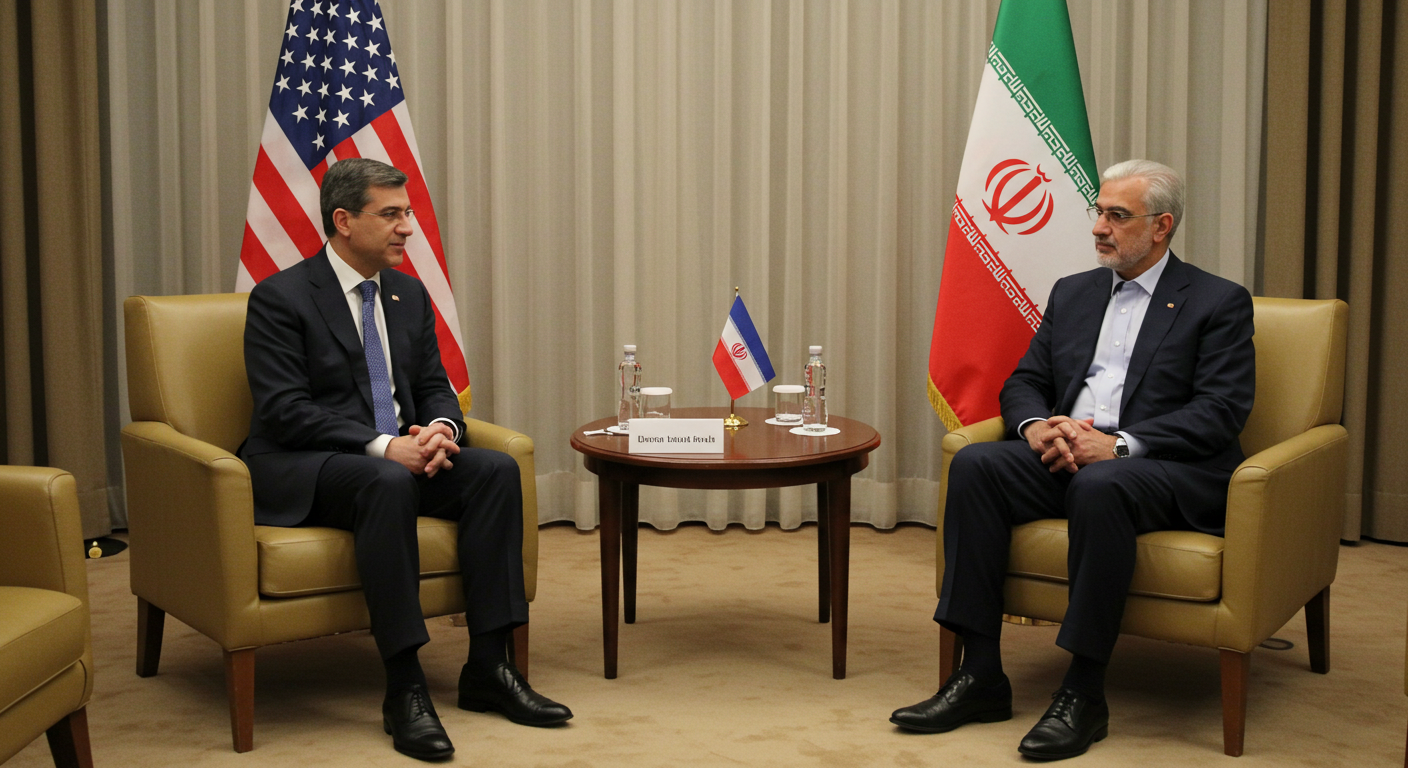
The instantaneous phone call with the Iranian President Masoud Pezeshkian by the Prime Minister Shehbaz Sharif and the immediate denouncement by Islamabad hold strategic and moral values. By raising the issue of the IAEA and its provisions, Pakistan is using the legal format to remind the world that it is not a selective tool of the international law that can work when it wants. It is an agreement that entails states to be predictable, restrained as well as peacefully resolved. When the sanctity of the facilities that are being safeguarded is removed by military force, the whole structure of the nuclear governance in the world is threatened.
Even more significantly, the reaction of Pakistan is an indication that Islamabad will not tolerate any incidence of increasing actions that would render the region flame. In the case of a nation that has traditionally been shown on the receiving end of regional conflicts, whether it is the U.S-led war in Afghanistan or the prevalence of the instability in its western borderlands, the consequences of a bigger Iran-U.S.-Israel standoff are highly disturbing. With energy prices booming and the economies of the region devastated by the uncertainties, like many in the Global South, Pakistan is only too aware of the cost of geopolitical adventurism driven by hegemonic urges.
The American invasion of Iran without the permission of the United Nations, and without recourse to the collective self-defense provisions of Article 51 of the UN Charter is completely devoid of the American pretence on the rule-based order. The move does not only destabilize an already well-volatile region but also diminishes the credibility of the Western-led security norms. It nourishes the storyline of discrimination justice and imperial prerogative.
In case of Pakistan, the calculus is multidimensional. The prospective counterattack populism over the Strait of Hormuz endangers the life stamen of its energy imports. Disintegration of security in the Gulf may disorient movement of remittances by the millions of the Pakistani work force in the region. As far as regional interests in the Middle East are concerned, domestically, any further polarization along sectarian lines enhanced through any proxy conflict with Iran would put a dent in the internal precarious stability in Pakistan. Therefore, the urgency of the collective efforts to de-escalate as accentuated by Sharif is not mere diplomatic flimsy. It is an existential need.
The denunciation by Pakistan is also indicative of a geopolitical reorientation in the process. With the Global South growing louder in their insistence on being treated fairly in the governance of the world, it is interesting to note that the position taken by Islamabad comes at a time when the disenchantment of a world run by the power of the sword instead of the degree of the right is increasing globally. As Pakistan still practices pragmatic relations with the United States, its loud moral voice in this case is in line with the attitude of most of Asia, Africa and Latin America. Strategic convenience should not be an excuse to compromise sovereignty, legitimacy, and multi lateralism.
The more fundamental philosophical rule is at work though. When one nuclear nation circumvents the governments legal authority to strike at the nuclear protective facilities of another nation it creates a haunting warming. The international law only comes to be as strong as there is the desire of the strong states to comply. Not only does this lend other states a hand in committing their actions beyond the domain of legality but also hastens the process of losing trust in such international bodies as the IAEA already struggling with the feelings of injustice and politicisation.
📄 POLICY WIRE WHITEPAPER PUBLISHED: PAKISTAN'S NATIONAL SECURITY POLICY PRIORITIES
👉 READ BY CLICKING HEREPakistan by doing this is not only doing this on behalf of Iran defending their legal rights. It is campaigning on the reasoning that states whether small or large should be granted equal protection by the international law. It is protecting the shaky credibility of IAEA. And it is protecting a regional order which simply cannot sustain another open-ended conflict.
The demand by Pakistan to exercise restraint and engage in dialogue should be seen in the backdrop of the increased fear of war occurring. Diplomacy rather than domination is the only way to go. Any other approach will not only bring the Middle East to ruin but it will be a new demonstration of failure of the international community to work beyond the geopolitical gamesmanship.
The United States has to rethink their way. This because not only in the name of safeguarding global security but also in the interest of the integrity of the order upon which it purports to shine light. And the global society should take actions. Not to criticize merely, but to support the legal systems which isolate civilization and disaster.
Author