

Beyond the Boundary: The Commercial Calculus of Cricket Dynasties and Arjun Tendulkar’s Weighty Debut
POLICY WIRE — Mumbai, India — The hum that accompanies India’s cricketing circus isn’t just about bat on ball. It’s the resonant thrum of a multi-billion-dollar economy, a fanatical fan...

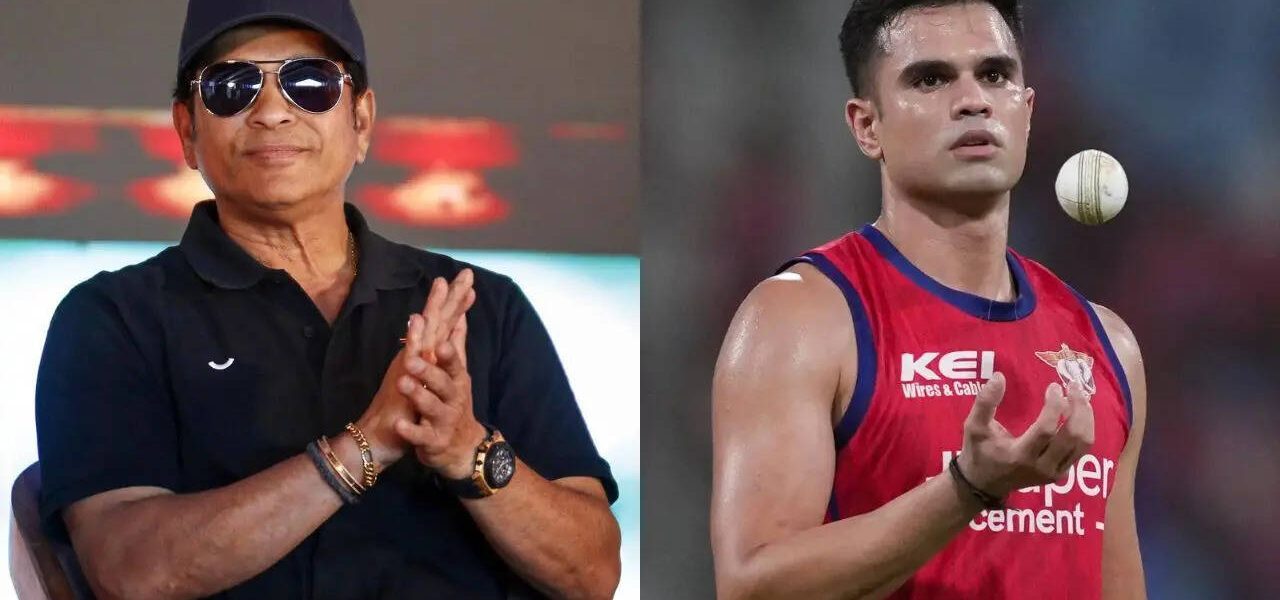
POLICY WIRE — Mumbai, India — The hum that accompanies India’s cricketing circus isn’t just about bat on ball. It’s the resonant thrum of a multi-billion-dollar economy, a fanatical fan base, — and the endless quest for narratives. So, when a relatively understated 26-year-old, Arjun Tendulkar, finally stepped onto the pitch for the Lucknow Super Giants in the dying embers of IPL 2026, it wasn’t merely a player making his debut. No, it was the scion of cricketing royalty, thrust—perhaps belatedly—into the arena. It’s big business, isn’t it? The spectacle. The names.
Because in this subcontinent, a surname often carries more weight than a decade of grind. For years, young Tendulkar had been an ever-present, yet largely unseen, figure in the IPL dugout, a silent study in patience and genetic expectation. His first turn at bat, his first over, was always going to be an event, drenched in the sort of scrutiny that only a nation obsessed with its sporting legends can muster. It makes for compelling television, you’ve got to admit, — and ratings drive revenue. According to recent market analysis, the Indian Premier League’s brand value alone soared to an estimated $10.7 billion in 2023, making it one of the globe’s premier sports leagues, a significant chunk of which can be attributed to the narrative richness brought by players like Arjun.
His eventual appearance against Punjab Kings was, to put it mildly, long-anticipated. When he was finally thrown the ball by Captain Rishabh Pant after the powerplay, there was a palpable shift in the air. This wasn’t some unknown talent emerging from a small town; this was a legacy under a microscope. He started well, certainly. The left-arm pacer showcased some tidy lines — and a few sharp bouncers. He was measured, controlled. Then, in what felt like an almost scripted crescendo, he bagged his maiden IPL wicket, dislodging Prabhsimran Singh with a searing yorker. That’s a good first impression, it truly is. His final figures—4-0-36-1—actually marked him as Lucknow’s most economical bowler of the game. But what really made the headlines wasn’t just his bowling, or even the rather unfortunate dropped catch earlier by Pant off his delivery (which let Prabhsimran pile on 69 runs). It was his dad.
But the real theatre, as always, played out off the field. Sachin Tendulkar, the Little Master himself, rarely broadcasts sentiments about his son’s professional trajectory. His public statements on Arjun have historically been rarer than an opposition fan cheering for Mumbai. So, when the elder Tendulkar took to social media with a genuinely heartfelt message, praising Arjun’s grit and quiet hard work—well, the internet exploded. “Well done, Arjun,” his father posted, “Proud of the way you’ve carried yourself… staying patient, working hard quietly, — and remaining positive despite having to wait… Cricket tests patience as much as skill, and you handled both beautifully today.” It was a classic ‘proud papa’ moment, wrapped in the weighty gravitas of the God of Cricket. That connection, that endorsement—it’s marketing gold, plain and simple.
Aarav Sharma, a veteran sports pundit — and former national selector, articulated the challenge and the draw. “For any player, making an IPL debut is tough,” he told Policy Wire, “but to carry the Tendulkar name—the expectations, the endless comparisons—that’s a different league of pressure. The fact that he’s handled it with such a calm demeanor speaks volumes. We’ve seen so many talents buckle, but he just keeps plugging away. It’s a fantastic story, commercially speaking, and great for the league’s narrative.” The inherent drama of such stories pulls in eyeballs across borders. You find the same intense following, the same almost spiritual connection to the game, from Karachi to Dhaka, Lahore to Colombo. Even in predominantly Muslim nations across South Asia, cricket transcends, unifying diverse communities in its narratives of struggle and triumph. This shared cultural passion for cricketing dynasties like the Tendulkars is one of the binding forces in the region, a testament to the spectacle of the IPL. It’s part of the league’s broad, compelling appeal.
📄 POLICY WIRE WHITEPAPER PUBLISHED: PAKISTAN'S NATIONAL SECURITY POLICY PRIORITIES
👉 READ BY CLICKING HEREEven though Lucknow ultimately lost the match, Arjun’s performance, and more significantly, his father’s public acknowledgment, transformed what would have been a footnote into a headline. It highlighted not just his nascent skills but the unspoken contract of expectation and celebrity that defines modern Indian cricket. This wasn’t just a debut; it was the ceremonial passing of the torch, broadcast to millions.
What This Means
The saga of Arjun Tendulkar’s debut is far more than just a single game’s statistic; it’s a potent illustration of how modern sports, particularly in a cricket-obsessed region like South Asia, weaponizes legacy and personal narrative for commercial gain. For the IPL, and indeed for brands globally, these storylines involving offspring of legends—especially revered figures like Sachin Tendulkar—represent immense marketing leverage. It generates unparalleled buzz, drawing in viewers who might otherwise tune out the end of a league stage game. The casual nature of his debut, long delayed, only amplified the eventual impact, turning an ordinary appearance into a talking point that will likely generate revenue through discussions, replays, and increased fan engagement.
Economically, it underscores the value of sustained celebrity within sporting ecosystems. A “legacy player” might take longer to prove their worth on the field, but their inherent marketability is a known quantity from day one. Policy-wise, this situation invites questions about meritocracy versus celebrity status in player selection, particularly within a league as fiercely competitive as the IPL. Does the draw of a famous surname subconsciously influence opportunities, even at the highest levels? While Arjun certainly exhibited skill, the sheer volume of public discussion and media attention proves that a famous family name grants a different kind of spotlight, one that others—no matter how talented—struggle to capture. This dynamic is an uncomfortable, yet undeniable, undercurrent of professional sports across the globe, from dynastic political families to Hollywood scions, manifesting distinctly within the frenzied economic landscape of cricket in South Asia.