
Beyond the Barracks: Ukraine Veteran Trades Battlefield for Blueprint of Tomorrow
POLICY WIRE — Kyiv, Ukraine — It ain’t the mud and shrapnel anymore. Now it’s the insistent ping of a school bell, the scattered whisper of adolescent questions replacing the relentless...

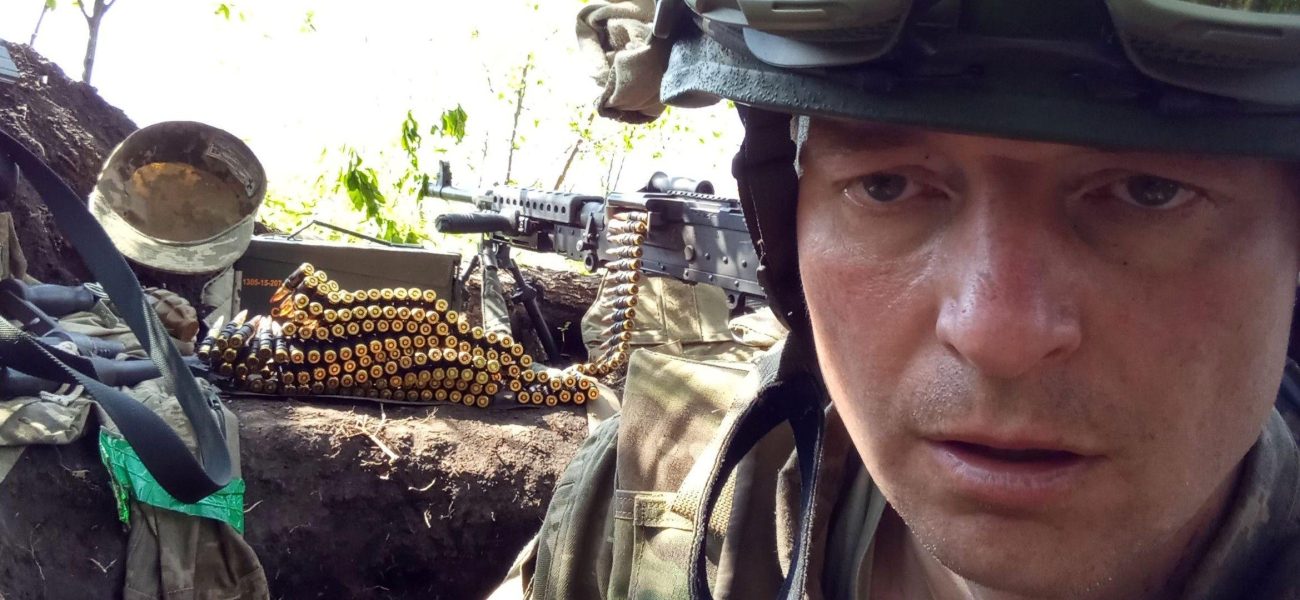
POLICY WIRE — Kyiv, Ukraine — It ain’t the mud and shrapnel anymore. Now it’s the insistent ping of a school bell, the scattered whisper of adolescent questions replacing the relentless thrum of distant artillery. This isn’t the story you often hear coming out of Ukraine—not the drone strikes or the tactical retreats, but the quieter, no less profound shift happening inside those who’ve seen too much of it. We’re talking about folks trading body armor for tweed jackets, automatic rifles for whiteboard markers, trying to plot a future for a nation that’s already lost so much of its present. It’s a raw, sometimes unsettling transition from destruction to instruction, and frankly, it doesn’t always make for tidy headlines.
Many expected a different path. Veterans, traditionally, are often pushed into other defense-related sectors, security consultancies, or sometimes, sadly, simply left to wrestle with their demons in silence. But this unexpected cadre? They’re stepping into classrooms, taking on the arduous task of molding young minds. You don’t get much more on the front line of society building than that. It’s a move that begs the question: What exactly does a veteran, steeped in the grim arithmetic of conflict, bring to a syllabus designed for the hopeful, the unscarred?
It’s not just about textbooks, though that’s certainly part of it. It’s about an acute understanding of stakes. When you’ve seen what happens when nations fail, when governance buckles, when ideals shatter into a thousand fragments, you’ve got a perspective that’s pretty damn unique. [QUOTE_PLACEHOLDER], one former Ukrainian servicemember now teaching civics, shared with us, suggesting a motivation that runs deeper than a paycheck. This isn’t a post-war phenomenon waiting for a ceasefire; it’s happening right now, even as bombs still fall in certain regions. People are literally trying to rebuild the spirit of their society while it’s still under attack. Talk about commitment.
And let’s be honest, it ain’t easy. Post-traumatic stress isn’t just for quiet contemplation. It shows up in classrooms too, sometimes in subtle ways, other times with jarring intensity. You’re dealing with kids who have themselves lived through trauma, or at least, the omnipresent threat of it. Imagine trying to explain complex democratic principles when you’ve had to fight for the very right to have a democracy. But this lived experience, this gritty authenticity, can cut through the usual platitudes of academic life. It grounds the abstract in very real consequences.
But the ripple effects of such transitions extend beyond Ukraine’s borders. We see parallels, or perhaps stark contrasts, in how veterans are reintegrated into societies across the globe—say, in Pakistan, where years of battling militancy have left an army of experienced personnel. How effectively these nations harness the unique experiences of their soldiers, not just for security, but for civic development and education, says a lot about their long-term stability. The choices made today shape tomorrow’s leadership, for better or worse. Education, particularly values-based teaching by those who’ve seen sacrifice, is how societies truly heal and adapt, a sentiment that resonates deeply within Muslim world nations striving to rebuild and redefine themselves post-conflict.
The statistical realities are grim in other places. A 2022 report by the International Labor Organization found that post-conflict countries often grapple with youth unemployment rates exceeding 20%, hindering veteran integration into civilian productive sectors, let alone teaching roles. Ukraine’s approach, while born of necessity, suggests a different, more integrated path—one that proactively channels military experience into intellectual capital. It’s about recognizing that military service, especially in defense of national sovereignty, cultivates skills that are surprisingly relevant in a classroom: leadership, discipline, problem-solving under pressure. And communication, crucially, particularly under duress. But it’s also about a recognition that these individuals, who put their lives on the line, aren’t just fodder for the next conflict, but architects of the next peace.
What This Means
The embrace of veterans in education in Ukraine signifies more than a feel-good story; it represents a hard-nosed political and economic gamble. Politically, it reifies the national narrative of resistance and resilience, creating a cadre of living symbols of sacrifice and hope. They’re not just teachers; they’re walking, talking civics lessons, instilling patriotism and civic duty through their very presence. This integration also mitigates the political volatility often associated with disaffected veteran populations, turning potential grievances into societal contributions.
Economically, it’s a shrewd long-term investment in human capital. Rather than viewing returning soldiers as a welfare burden or a drain on resources, their re-skilling into educators transforms a cost center into a value generator. This doesn’t mean it’s cheap; the psychological support — and training required are substantial. But consider the alternative: a generation scarred by war, without clear civilian purpose, or worse, becoming a force of societal instability. This educational push actively counteracts brain drain and skill erosion, rebuilding the foundation for a productive, educated workforce crucial for postwar reconstruction. And it establishes a potent example, especially for nations in the Muslim world, where post-conflict re-integration of combatants often struggles with resources and political will. That’s a huge economic benefit.
But make no mistake; this isn’t some silver bullet. It’s a slow, grinding process, as messy as the conflict itself. But it’s a bet on the future. And sometimes, you just gotta place that bet.