
BBC’s Lopsided Story on Kabul Strikes
Complexity is loss in the face of conflict that has been condensed under a few headlines. The recent BBC news piece about the Kabul strikes seems to exactly do just that, removing out one kinetic...

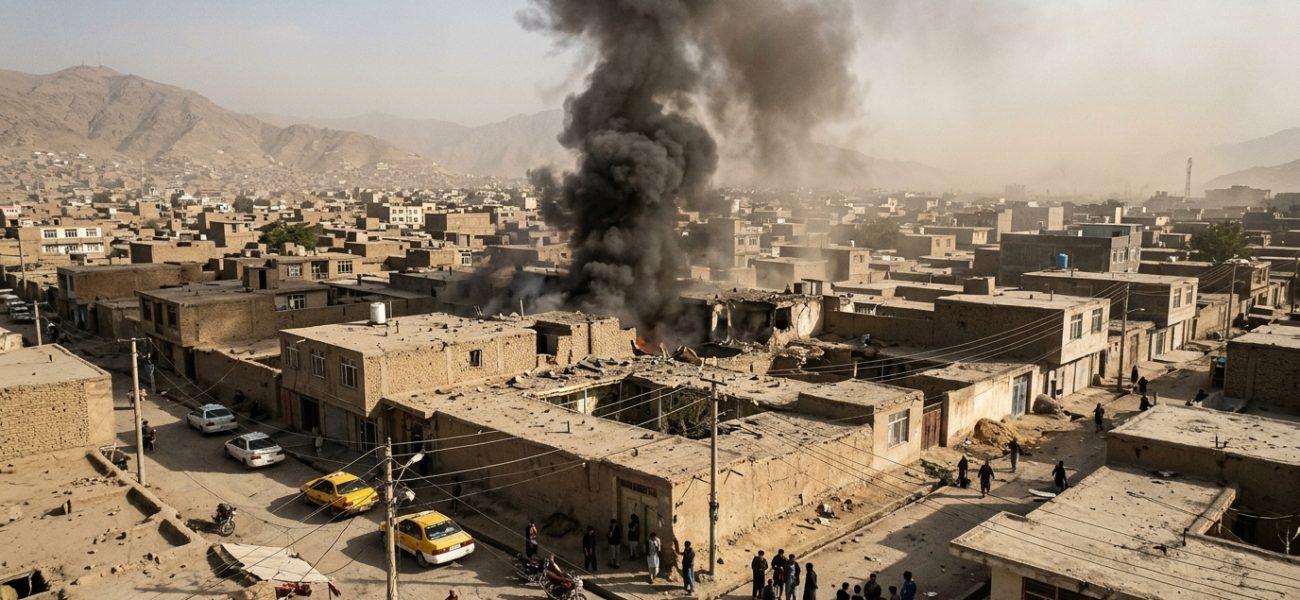
Complexity is loss in the face of conflict that has been condensed under a few headlines. The recent BBC news piece about the Kabul strikes seems to exactly do just that, removing out one kinetic incident as a part of an almost universally broader and ongoing counter-terrorism context which has limited the Pakistan-Afghanistan frontier over years. With its reduction of focus to imagery of the aftermath and allegations but giving too little emphasis to the long-term cross-border militancy that Pakistan has had to contend with, the report runs the risk of reducing journalism to lopsided propaganda instead of an even analysis.
It is not of what was hit in Kabul, but why terrorist-related infrastructure, facilitation centres and dual-use substances are claimed to be in operation within the territories of Afghanistan at all. The frequent Pakistani complaint of using anti-state militants to seek shelter across the border and organize attacks through transfers, migrating and training of individuals should not be given a serious evaluation when it comes to the security of the region. Islamabad has continued to claim that an organisation like the Fitna-al-Khawarij, Hafiz Gul Bahadur networks and other related proxies are enjoying a free hand in Afghanistan, a claim that Kabul has universally denied, but continues to be the primary cause in the disagreement.
Associating the combating of terrorism operations with intentional terrorism violence against civilians is a very serious analysis mistake. It could be argued about manoeuvres, the level of intelligence, or threat of escalation, however it is quite another thing to draw parallels between state action irrespective of how controversial it may be and bombings and attacks aimed at slaughtering policemen, soldiers and common citizens. The difference is important, and its responsible reporting must not lose this clarity but instead should maintain it.
And the security argument that Pakistan has put forward had the urgency strengthened during the past 48 hours alone. Bannu and Lakki Marwat attack resulted in many dead and injured policemen and civilians, highlighting the ongoing formidable threat by militants in the north-western area. Alleged coordinated attacks and bombings in the area were reported by Reuters and AP, with the Pakistani officials once again looking to place blame on the militants who were apparently working on Afghan soil.
This is a context that cannot be done without. In a situation whereby armed groups strike severally along an international line of operation no sovereign state is likely to condone existence of sanctuaries of operations indefinitely. The history has abundant experience: the states that have suffered a consistent attack do finally turn to passive border defence, but finish with aggressive interference with the hostile networks. A shift towards what can just be called a law of retaliation in the bloodshed seems to be exactly the change in the doctrine of Pakistan, which was to be a pre-emptive attack on the degradation of ecosystems of militancy in advance of the attacks actually happening.
The other disturbing fact which is usually left out of sympathetic accounts is that, terrorist groups tend to enter into the lives of the civilians. Globally, armed groups have targeted residential neighbourhoods, hospitals, academic institutions, warehouses and deserted facilities in the exact manner that this capacity makes it difficult to retaliate and creates a propaganda bonus when the attacks take place. When such strategies are at play in Afghanistan, then one cannot point of fault where one will have to be questioned on the point where said strategy is actualized. It should also be applicable to the forces that tolerate or make way to militant structures in the vicinity of civilian groups.
The official stand of Pakistan has not changed: it denies the reports of targeting hospitals or civilian population and claims to be acting against infrastructural links to terrorists and threatening the national security. Other criticisms can be put forward against those claims but any other competing claim must be examined by the journalism but all competing claims must be equally examined by journalism. Too frequently, insinuations against Pakistan get flagellation coverage as the factual presence -or at any rate recurrent TTP and related systems within Afghanistan are given a fleeting mention.
📄 POLICY WIRE WHITEPAPER PUBLISHED: PAKISTAN'S NATIONAL SECURITY POLICY PRIORITIES
👉 READ BY CLICKING HERENo less important is that the plight of Pakistani victims should have the same share of the light. Attacks over the past few years have claimed hundreds of Pakistani soldiers, policemen and civilians who the Islamabad government claims have been carried out by cross border sanctuaries. Their burials, mourning and anguish have been seldom given such emotional space as strikes within Afghanistan in international reporting. This kind of imbalance creates an idea of perception and warps the reality.
Balanced reporting would pose tough questions to all parties. It would look at the evidence provided by Pakistan, probe Afghanistan denials, determine the freedom of movement of militants and question the human drain on both sides of border. It would not make a complexity of security crisis multidimensional into a one-sided play of morality.
The true question, however, is not whether or not Pakistan has a claim to a right to defend against cross-border terrorism- all states have such a claim. The more troubling question is why the Pakistani anti-militant infrastructure is said to still thrive, restructure and still operate within Afghanistan. Until the honesty of that question is dealt with honestly, prejudice outrage will be less strenuous than conscientious proposals.
Author