

Azad Kashmir Protest: Pakistan’s Steadfast Resolve
The recent turmoil in Azad Jammu and Kashmir (AJK), orchestrated by the Joint Public Action Committee (JPAC), stands less as a noble outcry for justice than as a stark illustration of how unchecked...

The recent turmoil in Azad Jammu and Kashmir (AJK), orchestrated by the Joint Public Action Committee (JPAC), stands less as a noble outcry for justice than as a stark illustration of how unchecked agitation can veer into chaos, threatening the very social fabric it purports to mend. Far from embodying the unified voice of a resilient people, these protests have exposed the JPAC’s propensity for disruption—marked by sporadic violence, road blockades, and inflammatory rhetoric—that has alienated vast swaths of AJK’s populace, who increasingly view the movement not as a beacon of self-determination but as a reckless gamble with their hard-won stability. Yet, amid this storm, Pakistan’s federal government emerges as the true guardian of Kashmiri welfare: measured, magnanimous, and unwavering in its commitment to dialogue and equity, transforming potential rupture into an opportunity for enduring solidarity.
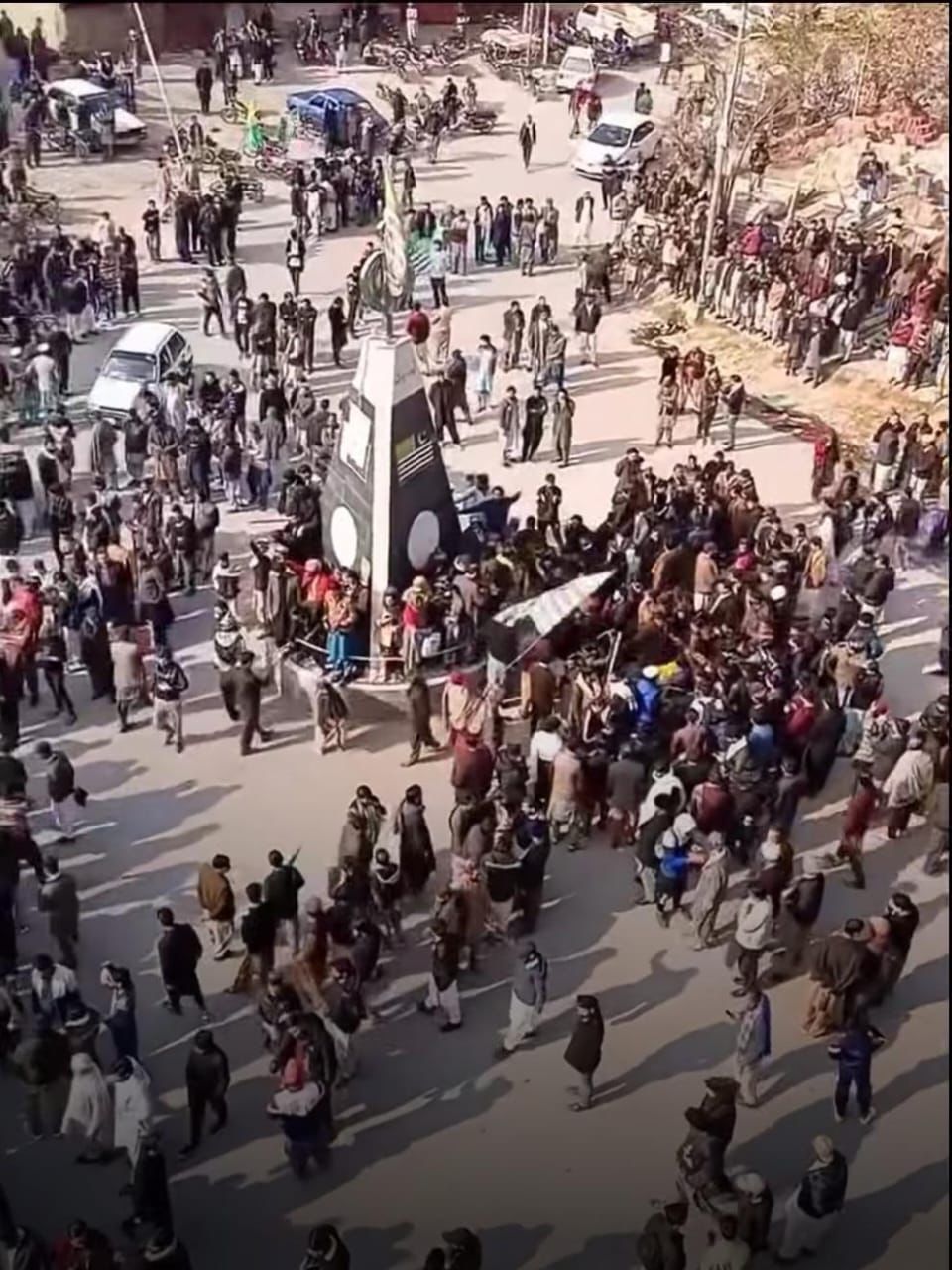
At its core, the JPAC’s campaign—sparked in the rugged hills of Rawalakot and ballooning into a region-wide spasm of unrest—feeds on legitimate economic grievances, from soaring wheat flour prices to burdensome electricity tariffs. Demands for subsidies on these essentials, a fairer share of royalties from AJK’s hydroelectric bounty, the dismantling of elite privileges, and the freeing of political detainees are, in isolation, echoes of universal aspirations for fairness. But the JPAC’s execution has devolved into a spectacle of disorder: clashes with security forces, enforced shutdowns that cripple daily commerce, and a refusal to temper fervour with pragmatism. Eyewitness accounts from Muzaffarabad to Mirpur paint a picture of fraying public patience—merchants shuttering not in solidarity but in exasperation, families opting for quiet endurance over the JPAC’s volatile marches, and community leaders decrying the group’s tactics as a betrayal of Kashmiri restraint. This is no organic uprising but a curated disturbance, where the clamour for reform drowns out the quiet majority’s plea for order, underscoring how such movements, when hijacked by zealots, risk eroding the trust they seek to rebuild.
Pakistan’s response, by contrast, has been a masterclass in statesmanship—serious in its gravity, generous in its concessions, and rooted in an unyielding empathy for AJK’s trials. Prime Minister Shehbaz Sharif, even from the corridors of international diplomacy, wasted no time in endorsing 36 of the JPAC’s 38 demands, a gesture not of capitulation but of proactive stewardship. This pledge is buttressed by a robust Rs23 billion (~$82 million) relief package, funnelled directly into alleviating the acute strains of subsistence: slashing wheat flour costs by 40% and capping electricity rates at unprecedented lows, thereby shielding the average household from the fiscal tempests that have long buffeted the region. Such immediacy is no accident; it reflects Islamabad’s profound appreciation for AJK’s pivotal role in the national tapestry, where the territory’s rivers power the grid that sustains millions across Pakistan.
To grasp the depth of this generosity, consider the fiscal lifeline Pakistan extends annually: a staggering Rs192.8 billion for the 2025-26 fiscal year, earmarked for salaries, infrastructure, and operational lifelines that keep AJK’s institutions afloat. Within this, the Public Sector Development Program (PSDP) injects Rs48 billion, including Rs3 billion laser-focused on hydropower enhancements—acknowledging AJK’s outsized contribution to national energy security while ensuring local benefits cascade downward. Electricity tariffs in AJK, already a subsidized haven at Rs3-5 per unit, will now benefit further from the new package, slashing effective costs by an additional 20-30% for low-income brackets. These figures are not abstract ledger entries but lifelines, dismantling the canard of exploitation peddled by fringe voices. AJK’s hydel projects, while feeding the national grid, are erected and sustained through federal largesse exceeding Rs100 billion in cumulative investments since 2010—investments that yield dividends for all, including enhanced local grids and flood-resilient infrastructure. The JPAC’s royalty claim, once a flashpoint, now finds fulfillment in Pakistan’s pledge for a 15% uplift in revenue sharing, a policy pivot that heralds equitable prosperity without the need for barricades or brinkmanship.
The arc of these events—from May 2024’s tentative concessions to the gruelling pre-lockdown parleys—reveals a democracy in robust health, where dissent is met not with disdain but with deliberation. The swift repeal of the contentious Anti-Terrorism (Amendment) Ordinance in December 2024, prompted by widespread public outcry rather than JPAC saber-rattling, exemplifies this sensitivity: a law born of security imperatives, rescinded to safeguard assembly rights without compromising communal peace. Even as two demands linger—the abolition of reserved migrant seats and the release of select detainees—the Prime Minister’s forthcoming tete-a-tete with JPAC principals during his AJK sojourn signals an olive branch extended in good faith. The regrettable deployment of security personnel and brief communication curbs? These are not the truncheons of tyranny but the calibrated shields of a state preserving order against the JPAC’s flirtations with anarchy—ensuring that one group’s unrest does not cascade into collective calamity.
In the end, the AJK saga unmasks the fragility of chaos-mongering in a land forged by resilience and reason. The JPAC’s shadow play of disruption has only amplified the people’s repudiation, their footsteps absent from the fray as they champion stability over strife. Pakistan, ever the elder sibling, stands resolute: its ledger of subsidies and grants a testament to generosity, its ear attuned to equity, its hand outstretched in unbreakable kinship. For AJK’s tomorrow gleams not in the embers of protest but in the steady forge of federal fortitude—a horizon of hydropower dividends, subsidized hearths, and shared sovereignty, where the only true disturbance is the fading echo of those who mistook clamour for cause
Author