

Amidst Roaring Crowds, Cricket’s Calculated Chaos Delivers IPL Thriller: What Kohli’s Post-Match Fury Reveals
POLICY WIRE — Raipur, India — In the dizzying whirl of professional sport, where billion-dollar franchises duel under relentless scrutiny, sometimes it isn’t the gleaming trophies or...

POLICY WIRE — Raipur, India — In the dizzying whirl of professional sport, where billion-dollar franchises duel under relentless scrutiny, sometimes it isn’t the gleaming trophies or meticulously crafted strategies that capture the zeitgeist. Often, it’s a flash of unbridled emotion, a public glimpse into the high-octane pressure cooker that defines elite athletic endeavors. Such was the scene following Royal Challengers Bengaluru’s improbable, last-ball heist against the Mumbai Indians in IPL 2026—a victory that seemed snatched from the jaws of a certain, spectacular defeat.
It was a proper dust-up, wasn’t it? The Shaheed Veer Narayan Singh International Stadium, usually known for its vast emptiness, crackled with an almost dangerous energy as the scoreboard swung wildly, threatening to consume Bengaluru’s playoff hopes whole. And, for long stretches, it looked precisely like that. Virat Kohli himself, the very face of RCB, was gone for a dreaded golden duck, out on the first ball. Devdutt Padikkal and Rajat Patidar followed him back to the pavilion like lambs to slaughter, leaving RCB listing badly at 47/3 on a track that seemed designed for bowlers with a vendetta.
But then, sport’s inherent theatre—that unpredictable beast—kicked in. Krunal Pandya, batting like a man possessed — and battling visible, severe cramps, anchored the innings with a heroic 73. His grim determination kept them breathing, dragging the chase deeper into the twilight. It came down to the wire, as these things always seem to do, with Bhuvneshwar Kumar smashing a late six and then Rasikh Salam Dar scrambling those winning runs off the very last ball. Kohli’s subsequent, animated leap from the dugout—a sight both of relief and something close to visceral triumph—spoke volumes, really. It wasn’t just a win; it was an escape.
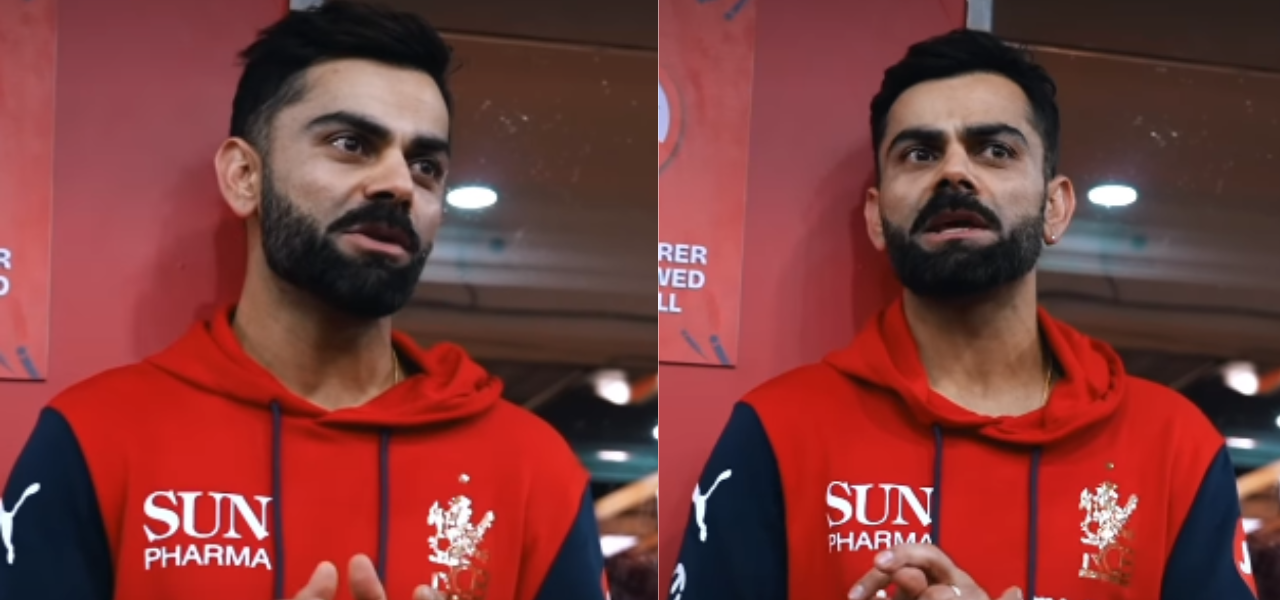
Because, make no mistake, this wasn’t just another game. The reverberations echoed not only through the dugouts but through the media tents, reaching far beyond the subcontinent’s ardent cricket faithful. Post-match, Kohli wasn’t holding back. “Hey guys, I’m gonna keep it short. I’m gonna wrap it up tonight,” he began, per dressing room leaks. “But guys, look, if you want to win multi-team competitions, we need a team. We need a game like that. We need to scrap for a win. We need to fight hard.” It wasn’t just a speech; it was an injunction, a sermon on the philosophy of championship contention.
He wasn’t wrong. They had to fight for every single run, every dot ball. The bowlers had set it up earlier, making sure Mumbai didn’t run away with it. Bhuvneshwar Kumar, the veteran speedster, had been utterly ruthless. He’d dismantled Mumbai’s top order, nabbing Ryan Rickelton, Rohit Sharma, and Suryakumar Yadav—a truly formidable trio—on his way to incredible figures of 4/23. That’s an elite performance, no matter how you slice it.
And Bhuvneshwar, now topping the IPL 2026 wicket charts with a stunning 21 wickets, isn’t about grand declarations. He’s a man of understated effectiveness. “The good thing is that whatever I’m doing or trying to do, it’s happening,” he’d remarked with typical self-effacement earlier. “It’s all about confidence. When you start the IPL, you go through a couple of good matches, then your confidence goes up. My execution is spot on, getting wickets and, of course, getting help from fielders.” It’s that blend of technical precision and quiet belief that transforms individual brilliance into team-level momentum. The kind that can propel you into playoff contention.
📄 POLICY WIRE WHITEPAPER PUBLISHED: PAKISTAN'S NATIONAL SECURITY POLICY PRIORITIES
👉 READ BY CLICKING HEREKohli, too, wasn’t above distributing credit where it was due. Romario Shepherd, Suyash Sharma, and Rasikh Salam Dar, hailing from the rugged terrains of Jammu and Kashmir, all received nods for their efforts. Dar’s last-gasp contribution underscored the diversity of talent—a true microcosm of the region’s deep wellspring of athletic potential—that fuels these high-stakes competitions, bringing talent from often-overlooked corners onto the biggest stage. This broad appeal isn’t accidental; it’s a strategic underpinning of the league’s enduring popularity across South Asia and the wider Muslim world, drawing billions in viewership and investment.
What This Means
This kind of game—the improbable win, the passionate captain, the gritty performances from unsung heroes—isn’t just good theatre. It’s an engine for the IPL’s commercial behemoth. It galvanizes fanbases, spikes engagement, — and provides endlessly replayable content for broadcasters. The league thrives on these narratives of underdog triumph and individual redemption, making a potent mix for both local and global audiences. It also speaks to the intense psychological component of professional sport. A team might be overflowing with talent, but without the mental fortitude, the sheer bloody-mindedness to “scrap for a win,” as Kohli put it, it’s all just raw potential. The market value of such emotional rallying cries is almost incalculable, directly translating into merchandise sales, viewership numbers, and brand loyalty.
From a regional perspective, the prominence of players like Rasikh Salam Dar highlights how cricket, regardless of geopolitical friction, remains a powerful unifying force. It provides aspirational pathways — and moments of shared pride, cutting across various social and economic strata. The consistent, elite performances of bowlers like Bhuvneshwar Kumar—a veteran operating at peak efficiency in an age of flashy young talent—also speaks to the enduring value of experience and mastery of craft, skills which, according to league statistics compiled by Opta Sport, consistently improve team performance in critical late-game scenarios, demonstrating their statistical impact when the pressure truly mounts. Ultimately, this win wasn’t just two points on a table; it was a sermon on what it takes to survive, and thrive, in the cutthroat gladiatorial arena of twenty-first-century sport.