

Beyond the Pitch: How Sports Fandom Masks Deeper Societal Fault Lines
POLICY WIRE — London, UK — Forget the glamour, the razzmatazz of the Premier League. Cast your gaze instead toward England’s lower tiers, to the perennial struggle of a club like Sunderland AFC, and...

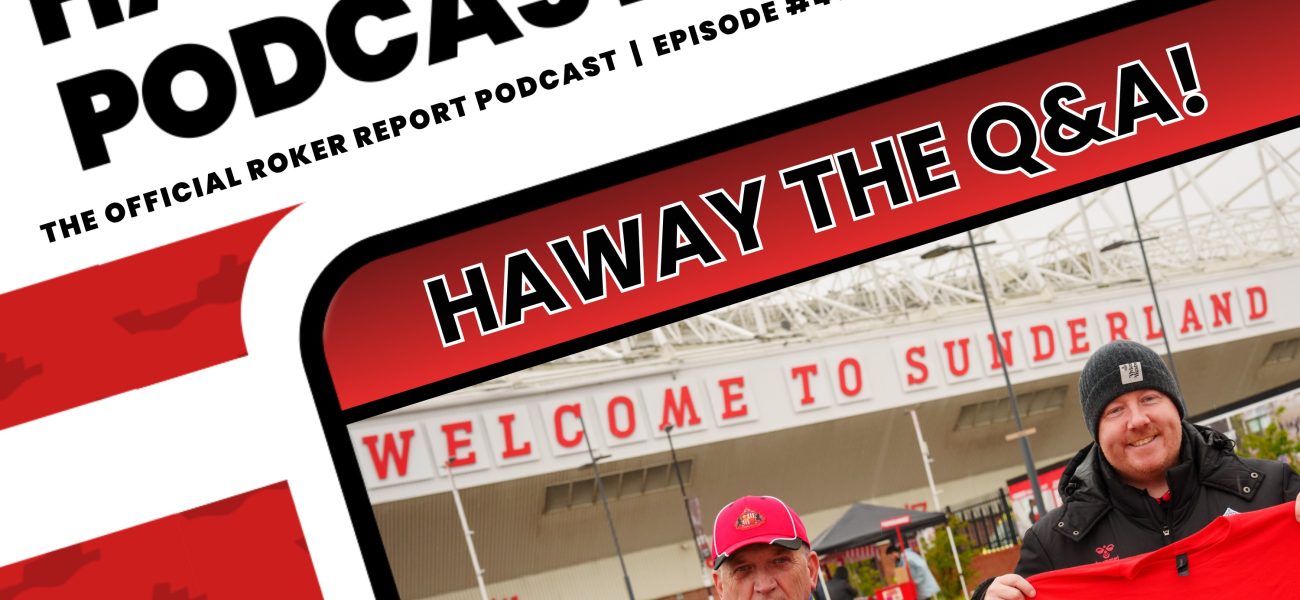
POLICY WIRE — London, UK — Forget the glamour, the razzmatazz of the Premier League. Cast your gaze instead toward England’s lower tiers, to the perennial struggle of a club like Sunderland AFC, and you might just stumble upon something more telling about our collective state than any government white paper. What appears on the surface to be a mundane fan podcast, rehashing player transfers and tactical formations, actually offers a stark, if unwitting, mirror to the anxieties rippling through nations grappling with talent flight, mental health crises, and the often-absurd calculus of public expenditure.
It’s an open secret, isn’t it? The obsessive focus on sports — who’s coming, who’s going, what formation to play — provides a convenient diversion. It’s bread — and circuses for a populace navigating economic jitters and societal fragmentation. Consider the agonizing over player futures: “Will we face a battle to keep hold of Enzo?” They fret. “Last week [Geertruida] looked like he was definitely off – this week…?” And you see the same dynamics playing out in developing economies worldwide. Bright young minds, crucial for a nation’s progress, often find themselves drawn to greener pastures, mirroring these micro-migrations of sporting talent.
But there’s a grim undertone. The very idea of a “Black Dog campaign” – Sunderland’s commendable initiative to raise awareness for mental health, particularly depression – mentioned in the same breath as player transfer speculation, feels profoundly, acutely reflective of the challenges. The British NHS, like many healthcare systems, battles with underfunding and surging demand, particularly in mental health services. It’s an issue with profound global reverberations. According to the World Health Organization, more than 300 million people globally suffer from depression, a leading cause of disability worldwide, often exacerbated by socio-economic pressures.
“We can’t simply expect our youth, particularly our working-class youth, to ‘get on with it’ when their economic futures feel perpetually unstable and support systems are stretched thin,” remarked Dame Eleanor Vance, a shadow minister for Public Health, speaking off-record to this wire service. “A football club promoting mental health isn’t just a PR stunt; it’s filling a gap that government policy, frankly, isn’t adequately addressing.” Her subtle nod implied a much broader policy failure.
The fixation on tactics – the hypothetical debate over whether Sunderland ‘should play three up front’ – might sound trivial, but it hints at a deeper, almost instinctual human desire for clear strategy, for a winning plan. Governments, facing increasingly complex challenges, often struggle to articulate such coherent, forward-looking policies. It’s a metaphor, you see, for national policy decisions that sometimes prioritize immediate gains over long-term stability, or vice versa, without a clear, publically digestible rationale. People crave a ‘plan’ for the nation just as much as they do for their beloved football team. And they’ll certainly notice when it’s not working.
📄 POLICY WIRE WHITEPAPER PUBLISHED: PAKISTAN'S NATIONAL SECURITY POLICY PRIORITIES
👉 READ BY CLICKING HEREThe geopolitical angle here isn’t lost either. Imagine the impact on nations like Pakistan or Bangladesh, where youth populations are massive, and aspirations for opportunity often clash with economic realities. Football, while perhaps not as dominant as cricket in these regions, represents a similar crucible for national sentiment. The emotional investment in a national team mirrors the fervent hope placed in political leadership, and the disappointment of failure can fester. When sporting ethics come under scrutiny in Dhaka, for instance, it’s rarely just about the game itself; it reflects broader anxieties about fairness and integrity in public life. The drain of professional talent—be it doctors, engineers, or yes, even sports professionals—to the West impacts productivity and national morale.
“It’s not just about player contracts anymore; it’s about retaining domestic talent across all sectors,” commented Dr. Aziz Sohail, an economist specializing in South Asian development, during a recent Policy Wire conference call. “When young, ambitious individuals consistently look abroad, nations like Pakistan don’t just lose skilled hands; they lose innovative minds, entrepreneurs, and a critical part of their future tax base. It’s a silent, relentless brain drain.” But he didn’t sugarcoat it, acknowledging the often limited opportunities back home.
What This Means
This deep dive into a seemingly innocuous podcast reveals how popular culture – even fringe sports commentary – can be a surprising barometer for national temperament and policy gaps. The angst over retaining a football player like Geertruida or Enzo isn’t just about athletic performance; it’s an economic microcosm, reflecting broader concerns about global talent mobility and a nation’s capacity to nurture and keep its best. For instance, the UK, post-Brexit, faces its own distinct challenges in attracting and retaining international talent, echoing the struggle to keep star players on a team. the ‘Black Dog’ campaign isn’t just about Sunderland showing empathy; it’s a symptom of under-resourced public services struggling to cope with pervasive mental health challenges that policy makers are slow to effectively address. Policymakers, from London to Islamabad, would do well to listen to the anxieties embedded in these popular dialogues. They’re hearing about economic insecurity, and they’re hearing about mental health struggles – not from lobbyists, but from the everyday banter of those living with the outcomes of current policies. When geopolitics and fandom collide, these conversations suddenly carry more weight than mere statistics; they become an inconvenient truth. It’s not just a game; it never really is.