

As Western Forests Burn, Global Ignorance Proves the Hottest Inferno
POLICY WIRE — Olympia, USA — It isn’t always the immediate flame, scorching pine needles and crackling through dry brush, that tells the true story of disaster. Sometimes, it’s the acrid scent on a...

POLICY WIRE — Olympia, USA — It isn’t always the immediate flame, scorching pine needles and crackling through dry brush, that tells the true story of disaster. Sometimes, it’s the acrid scent on a distant breeze, a harbinger — a subtle, undeniable signal that something fundamental is shifting. Right now, across Eastern Washington, that smell hangs heavy, carrying not just the scent of incinerated homes but the tang of systemic political inertia. We’re watching communities vaporize, entire lives turned to ash, and yet, the public discourse, domestically and internationally, remains stuck in a loop of hand-wringing and platitudes. It’s truly something.
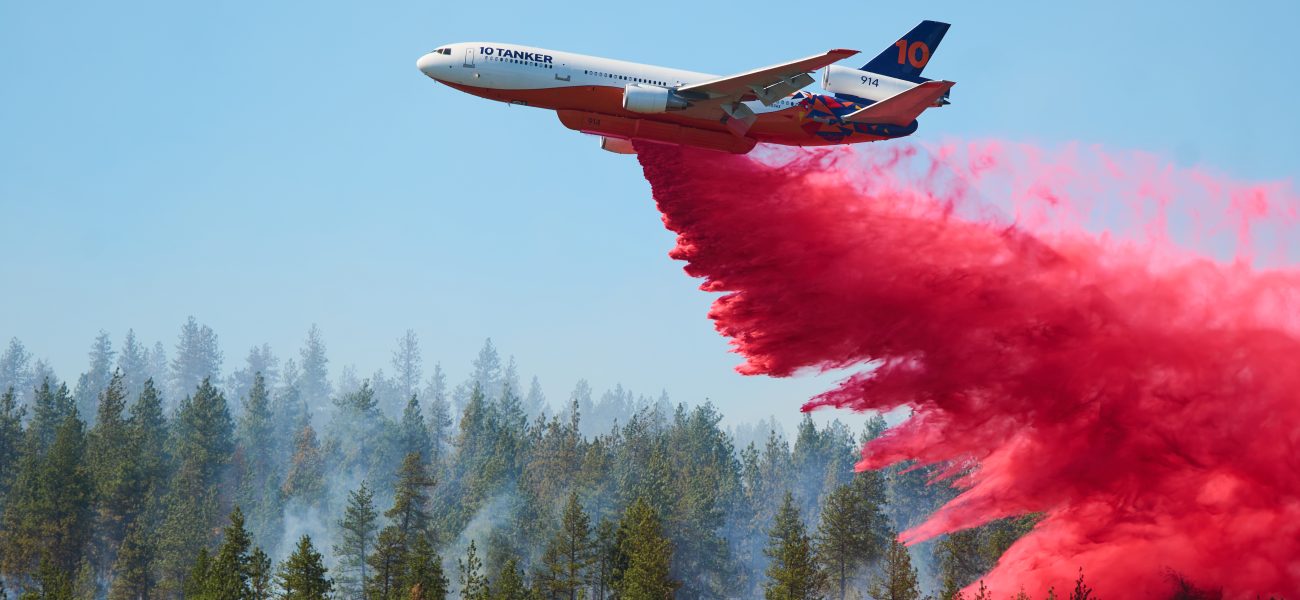
Hundreds of residents in the sparsely populated but increasingly vulnerable corners of Washington State are abruptly learning the precise definition of an emergency evacuation notice. It’s when your home—your literal dwelling, all your memories tied up in lumber and drywall—ceases to exist as a physical location and transforms instead into an existential question mark on the horizon. The fast-moving ‘Dry Gulch Inferno’ (as local authorities have grimly christened it, perhaps to lend a dramatic sense of scale that reality has already provided) isn’t just consuming acres; it’s devouring livelihoods, pushing farmers and small-business owners to the brink. They’re telling us the fire has scorched through an area larger than Seattle’s downtown core, forcing thousands from their residences. Some won’t ever go back. (Awaiting official quote)
And so, fire seasons aren’t seasons anymore; they’re becoming perpetual states of affairs. This latest conflagration is just one of many that’s painting the American West in hues of orange — and black. State forestry departments and federal agencies, stretched thin, are battling more than just flames; they’re fighting donor fatigue and — often — public apathy, even as the scale of destruction grows year on year. It’s a recurring, grim tableau, frankly, like some sort of annual national ritual of loss, yet the preventative measures always seem a step behind, or maybe a dozen steps.
But this isn’t merely an American dilemma, mind you. Look across the globe, toward nations like Pakistan, where the ramifications of climate change manifest with a brutal, almost poetic injustice. They’ve grappled with unprecedented heatwaves, monstrous monsoons that swallow villages whole, and glacier melt triggering catastrophic floods—events that mirror, in their severity, the destructive trajectory of Western wildfires. While the specific nature of the climate crisis shifts with latitude, the underlying vulnerabilities to inadequate infrastructure and reactive policy frameworks remain strikingly similar. Pakistan, for instance, in recent years has seen its population disproportionately affected by extreme weather events, costing the nation billions in damages and displacement, a burden many times greater relative to its GDP than anything we’re seeing in Washington. Its experience underscores a shared, dire warning for global policymakers that transcend geography. They know, deeply, what it feels like for the environment to turn on you.
It’s all part of a global pattern, one climate scientists have been predicting with ever-increasing accuracy. The National Interagency Fire Center (NIFC) reported a sobering fact: the average annual acres burned by wildfires in the U.S. jumped from 3.5 million acres in the 1990s to over 7 million acres in the 2010s, a trend that doesn’t seem keen on reversing. But numbers, you know, they rarely convey the absolute terror of a family scrambling for keepsakes as a wall of smoke blots out the sun. They don’t capture the economic cost, either. It’s immense, a sort of slow-motion economic bleeding.
📄 POLICY WIRE WHITEPAPER PUBLISHED: PAKISTAN'S NATIONAL SECURITY POLICY PRIORITIES
👉 READ BY CLICKING HEREWhat This Means
The ‘Dry Gulch Inferno,’ like its countless predecessors and inevitable successors, isn’t just a natural disaster; it’s a policy failure writ large across the landscape. The economic implications are multifaceted, stretching far beyond the immediate property damage. Insurance markets are getting jittery; some companies won’t even write new policies in high-risk zones, exacerbating housing shortages and hitting property values. The costs of emergency services skyrocket, straining state and federal budgets that could otherwise be directed to education or healthcare. But that’s only half the story.
Politically, these fires spark brief, intense periods of activity. Lawmakers tour disaster sites, offer condolences, — and promise aid. They get some photo ops. Then the news cycle moves on. We need sustained, proactive investment in forest management, in wildfire preparedness technologies, and, frankly, in addressing the underlying climate destabilization. And this requires a fundamental shift in political will that—let’s be honest—hasn’t materialized with the urgency it demands. Because here’s the thing: inaction today guarantees bigger bills tomorrow, both financial — and human.
For a policy wire readership, the connection to nations like Pakistan is perhaps the most sobering. It highlights not just shared climate vulnerabilities but the inherent inequities in resource allocation for disaster resilience. A major industrialized nation like the U.S. struggles; imagine the plight of a developing economy on the frontline of climate change. Policy decisions made in Washington D.C., or even Brussels, regarding climate targets or disaster aid, have direct, tangible impacts on a farmer in rural Sindh. It makes you wonder, doesn’t it, about true global leadership on these things? The lack of it. We’re looking at increased human migration, internal and cross-border, driven by climate despair—a ripple effect that could destabilize regions far beyond the immediate burn zones. The political consequences are really quite terrifying when you consider them on a grand scale. We’ve seen, too, the political instability caused by resource scarcity and forced migration, something Pakistan knows a lot about. And so, what starts as a small flame in a remote American forest often becomes a symptom of a much larger, global sickness, impacting even issues like refugee policy in the EU. It’s all connected. The smoke doesn’t respect borders.