


Ruble Diplomacy? Iran Deal Dents Gas Prices, but the Strait of Hormuz Still Holds its Breath
POLICY WIRE — NEW YORK, U.S. — America woke up to something slightly less painful at the pump this week, but don’t mistake a slight dip for real peace. Instead, consider it the immediate economic...

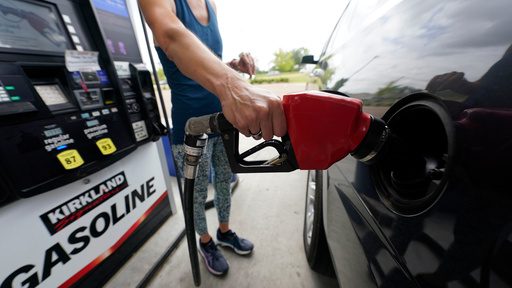
POLICY WIRE — NEW YORK, U.S. — America woke up to something slightly less painful at the pump this week, but don’t mistake a slight dip for real peace. Instead, consider it the immediate economic ripple of an uneasy handshake between President Donald Trump and Tehran, a pact that’s stirred more than a little skepticism about its real long-term impact on global stability—and your wallet.
It wasn’t some grand humanitarian breakthrough that dropped gas prices. No, this minor respite arrived courtesy of President Donald Trump signed an agreement with Iran that calls for Tehran to dilute its stockpile of highly enriched uranium and waives U.S.-backed sanctions on the country. A shrewd play? A risky gamble? Maybe both. Whatever it’s, for now, it’s pushed the average U.S. gas price to $3.999 a gallon, according to motor club AAA. That’s a hair under the psychologically significant $4 mark, and the first time since March that threshold’s been breached. (Awaiting official quote)
The whole thing happened fast, practically overnight. Crude prices, which dictate so much, slid down after the deal. And, because that’s how this works, gas prices generally followed suit. Oil prices fell Monday to about $80 for a barrel of U.S. benchmark crude. Just compare that to a few months back—over $120 a barrel earlier in the conflict, not to mention the $67 it was before the fighting even began. This drop below $4 follows a 15% decline in the price of U.S. crude this month. So yeah, for now, a bit of breathing room. But it’s not really all smooth sailing.
See, things aren’t uniform. Not even close. You’ll pay $5.64 per gallon in California, still wincing every time you fill up. But hop over to South Carolina, — and it’s $3.58 per gallon. Clearly, geography, local taxes, — and refining capacities are still very much in play. And don’t forget, even with this current dip, prices remain 25% higher than they were last year. Not exactly a triumphant return to normalcy, is it?
The agreement between the U.S. and Iran calls for a permanent end to hostilities and starts a 60-day negotiating clock to reach a final deal on the future of Iran’s nuclear program, though Trump left the door open to resume attacks. Which—let’s be honest—leaves plenty of wiggle room for things to go sideways. It appears to offer Iran several benefits up front while extracting little in return. You’ve got to wonder how that sits with some in the region, particularly Gulf states and, for that matter, everyday citizens from Islamabad to Jakarta.
But the real sticking point? The Strait of Hormuz. Even if leaders sign on the dotted line, reopening that maritime bottleneck isn’t like flipping a switch. Before the war, the strait carried a fifth of the world’s crude oil. Now, all those hundreds of ships trapped in the Persian Gulf need to exit through the narrow strait. And the producers who dialed back output? They need to ramp back up, get the pumps churning, get the tankers moving again. It’s a process, not an instant fix. Think about countries like Pakistan, entirely reliant on stable, predictable energy supplies flowing through these contested waters. Any sustained disruption means inflationary spirals, hits to industrial output, — and higher costs for everyone.
Then there’s the human element. Analysts also say ship captains may take their time to decide if passage is safe and that the threat of attack from Iran has truly receded. This isn’t just about economics; it’s about perceived safety. Global supply chains, already brittle from previous shocks, get no quick solace here. We’re talking about more than just fuel—it’s fertilizer, food, even footwear. Everything ships through these choke points.
And then there’s the built-in delay: refineries typically pay for crude oil a month or more in advance, so even after oil prices drop, they won’t immediately be processing cheaper products. So, while gas prices are technically lower now, businesses that rely on these inputs—from manufacturing to agriculture—they expect higher costs to linger. This means their customers might need to prepare for that too, extending the pain for households already struggling with inflation. It’s a chain reaction, slow — and grinding, from the tanker to your dinner plate.
What This Means
This momentary relief at the gas pump is less a sign of robust recovery and more a snapshot of high-stakes geopolitical maneuvering. President Trump has secured a headline-grabbing, if temporary, diplomatic victory. He’s created a perception of de-escalation that, even if fragile, delivers tangible short-term economic comfort to consumers. And, perhaps most importantly, to his domestic political standing.
But make no mistake, this calm is precariously balanced. Trump’s immediate threat to resume attacks acts as a digital sword of Damocles, keeping regional players—and oil markets—on edge. For countries like Pakistan, a deal like this is always met with cautious optimism. Their economic stability is intricately linked to secure passage through the Persian Gulf and uninterrupted access to crude oil. They’ve lived through the real, immediate pain of supply chain disruption—and they know that paper agreements from faraway capitals don’t instantly rebuild trust or logistics networks. While the world’s attention fixes on American pump prices, nations across the wider Muslim world observe not just the price of crude, but the resilience of diplomacy itself against deep-seated mistrust. This negotiation clock is ticking, but so is the lingering doubt about whether the newfound goodwill can outlast the two-month deadline. Many suspect this is merely a temporary pause, not an actual reset.