


As Gila Flames Recede, A Fragile Reprieve Ignites Broader Policy Conflagrations
POLICY WIRE — CATRON COUNTY, N.M. — The Gila Wilderness, an expanse usually defined by its tranquil, ancient solitude, recently hummed not with wildlife but with the fearsome crackle of the...

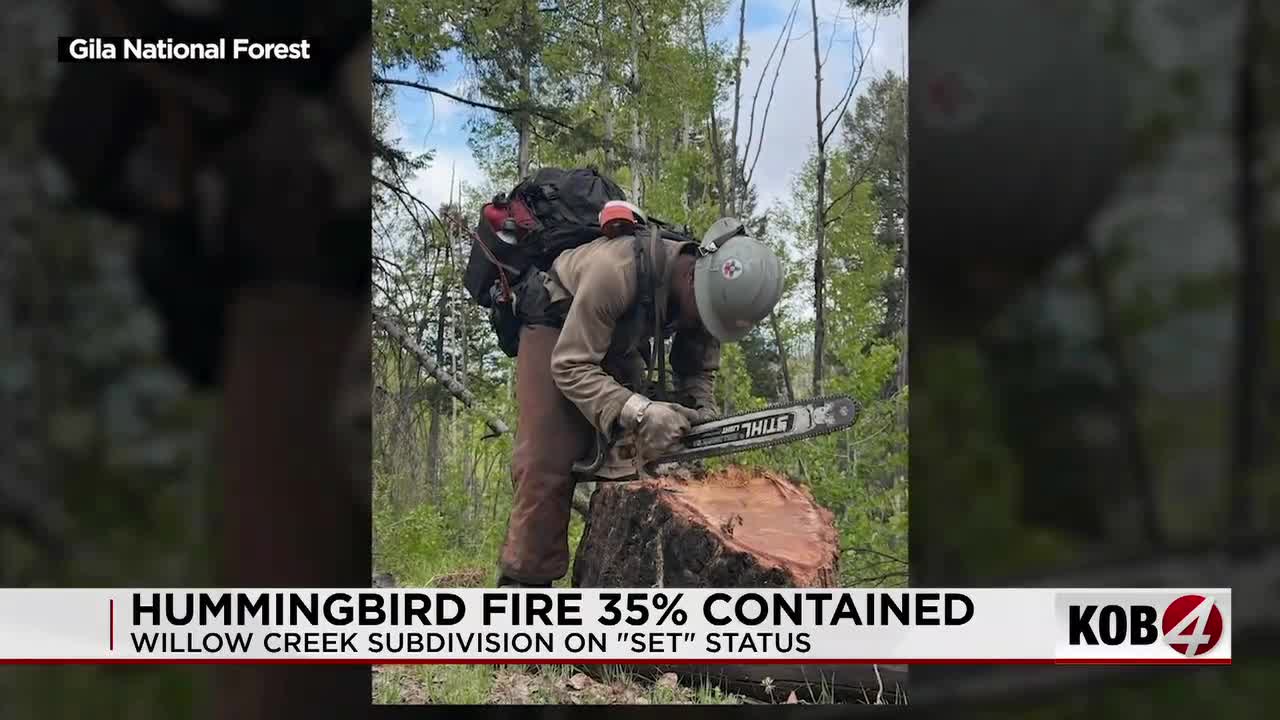
POLICY WIRE — CATRON COUNTY, N.M. — The Gila Wilderness, an expanse usually defined by its tranquil, ancient solitude, recently hummed not with wildlife but with the fearsome crackle of the Hummingbird Fire. Now, as local officials announce a modest 35% containment and an easing of evacuation directives for the beleaguered Willow Creek Subdivision, a fragile reprieve settles over this parched corner of New Mexico. But don’t mistake this for a resolution; it’s merely a pause—a collective exhale—before the inevitable scrutiny of federal land management, climate change adaptation, and the spiraling costs of a perpetually burning West.
At its core, this isn’t just another wildfire; it’s a stark, fiery testament to an era demanding an urgent policy recalibration. The numbers, frankly, are staggering. The Hummingbird Fire has already consumed over 5,600 acres—a landmass roughly equivalent to 4,200 football fields—and that’s merely the latest entry in a lengthening ledger of ecological devastation. Still, the relief for residents, many of whom have lived through similar crises, is palpable. They’ve been on tenterhooks, watching smoke plumes paint their skies with shades of dread. That they’re allowed to return, even tentatively, marks a small, hard-won victory.
“We’ve seen too many seasons like this, where our communities hold their breath, hoping the wind shifts,” remarked Catron County Sheriff Mark T. Hanson, his voice raspy from days of coordination. “The downgrade to ‘SET’ status isn’t an all-clear; it’s a temporary reprieve, and frankly, we’re bracing for the next one. It’s a resource drain—financially, emotionally, for everyone involved.” His observations cut to the quick of rural America’s Sisyphean struggle against increasingly aggressive natural phenomena.
The incident, localized as it’s, throws a harsh light on continental—and indeed, global—environmental policy. The U.S. Forest Service, often caught between environmentalists, ranchers, and development pressures, manages vast tracts of land, much of it now tinder-dry. “This isn’t simply a local incident; it’s a tangible manifestation of a profound ecological shift that requires a coordinated, sustained federal response,” shot back Dr. Elena Rodriguez, Deputy Director for Wildland Fire Operations at the U.S. Forest Service, during a recent press briefing. “We’re not just fighting fires; we’re fighting decades of climate-induced drought and an increasingly volatile landscape. It’s a strategic battle, not just a tactical one.”
And she’s not wrong. The National Interagency Fire Center (NIFC) reports that over the past decade, the average annual acreage burned by wildfires in the U.S. has increased by roughly 25% compared to the preceding decade, signaling a stark shift in ecological dynamics. These aren’t isolated events; they’re symptomatic of a grander, more perilous narrative playing out across the globe. From the relentless heatwaves scorching South Asia to the unprecedented floods that decimated vast swathes of Pakistan, climate change isn’t a future threat; it’s a present exigency. Pakistan, for instance, a nation grappling with its own search for stability, routinely faces environmental catastrophes that dwarf many Western incidents, yet contributes a tiny fraction to global emissions.
Behind the headlines of containment percentages and eased evacuations lies a complex tapestry of economic and political implications. Wildfires don’t just consume trees; they incinerate budgets. Federal and state governments pour billions into firefighting efforts, diverting funds from other critical infrastructure and social programs. The economic fallout extends to ruined timber industries, disrupted tourism, soaring insurance premiums for property owners in at-risk areas, and long-term health consequences from smoke inhalation. It’s a fiscal hemorrhage that shows no signs of clotting.
But the political dimensions are perhaps even more combustible. Debates rage—sometimes literally, over burnt land—about forest management practices: Should more prescribed burns be conducted? Is logging a solution or a problem? What role should indigenous land management techniques play? These are not easily resolved, as they pit powerful interests against each other, often with divergent scientific interpretations. The policy choices made today, or conspicuously *not* made, will dictate whether communities like Willow Creek face a future of perpetual dread or a genuine pathway to resilience.
What This Means
This tentative containment in New Mexico, while a blessing for immediate communities, underscores a far broader policy challenge that reaches beyond America’s borders. Economically, the spiraling cost of wildfire suppression—now a dominant expenditure for agencies like the U.S. Forest Service—threatens to destabilize state and federal budgets, forcing difficult trade-offs. It’s an unfunded mandate of nature. Politically, the recurring crises intensify the partisan divide on climate action, while also highlighting critical needs for inter-agency cooperation (federal, state, and local) that often fall short of ideal. Local governments, particularly in rural areas, bear an immense, often uncompensated, burden.
the Gila’s struggle resonates globally. As developed nations like the U.S. grapple with the immediate costs of climate impacts, developing nations, particularly those in the Muslim world and South Asia, face existential threats from climate-induced disasters, often with fewer resources and less political bandwidth. Policy-makers, from Washington to Islamabad, must confront the interconnectedness of these environmental crises. Their collective failure to forge robust, adaptive strategies doesn’t just put forests at risk; it imperils human habitations, economies, and the very stability of nations. It’s a sobering prospect, isn’t it?