

Everton’s Late Collapse Against City: A Microcosm of Football’s Economic and Emotional Precarity
POLICY WIRE — Liverpool, England — In the theatrical crucible of English football, where hope and despair often pirouette on a knife-edge, Everton Football Club delivered a masterclass in...

POLICY WIRE — Liverpool, England — In the theatrical crucible of English football, where hope and despair often pirouette on a knife-edge, Everton Football Club delivered a masterclass in psychological agony on Tuesday night. It wasn’t the scoreline itself that reverberated most acutely through Merseyside — a 3-3 draw against the formidable Manchester City — but the brutal, 97th-minute capitulation from what had seemed an unassailable 3-1 lead. This wasn’t merely a point gained or lost; it was a potent, visceral reminder of the sport’s inherent capriciousness, an attribute that, ironically, fuels its colossal global appeal.
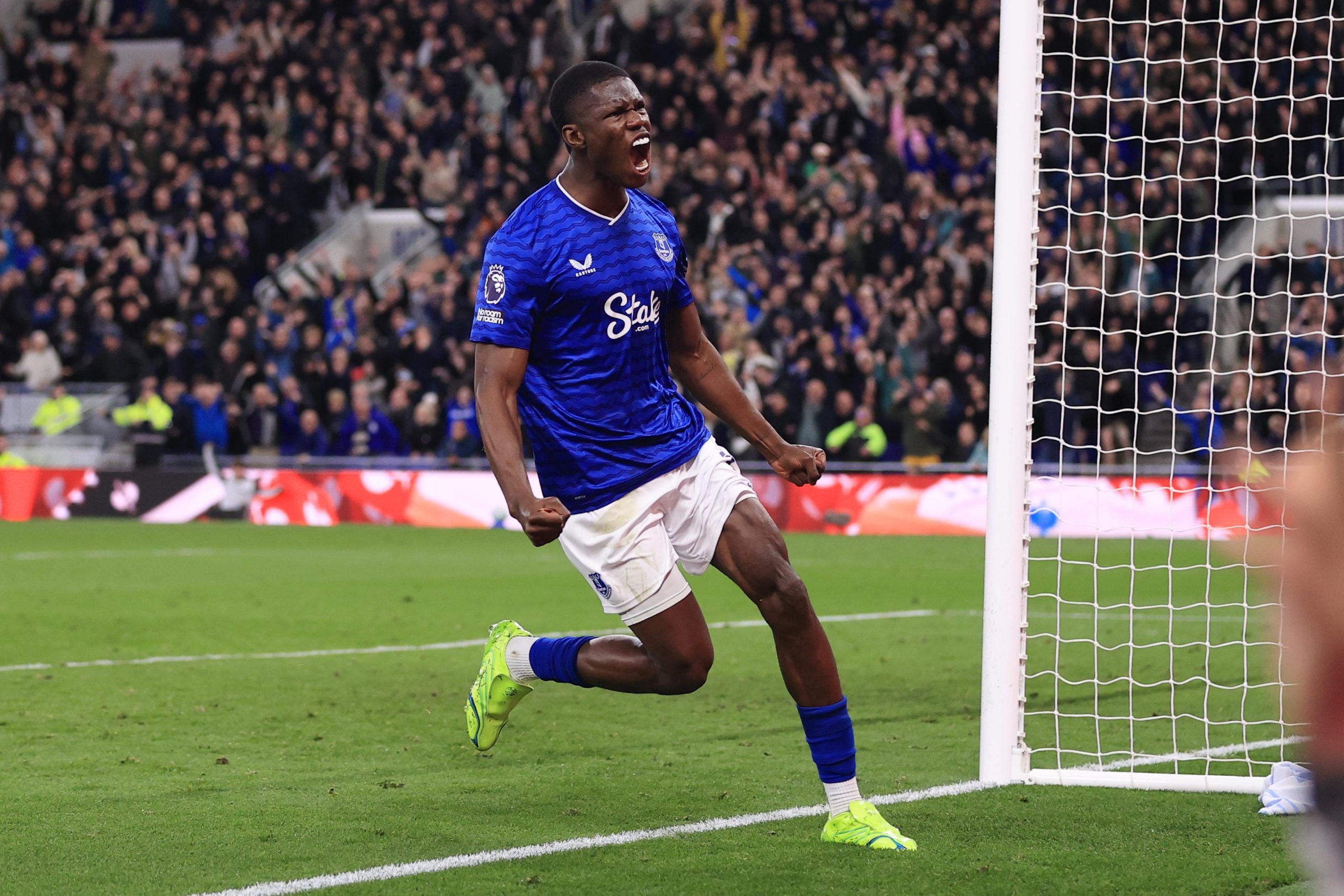
For a club perpetually teetering between financial scrutiny and on-field underperformance, such a denouement carries weight far beyond the league table. It’s a narrative that speaks to the precarious nature of success, the fine margins dictating immense economic outcomes, and the profound emotional investment demanded from fanbases across continents. Thierno Barry, the young forward whose brace had seemingly secured an improbable victory, embodied this fleeting ecstasy. His post-match reflection, highlighting intensive one-on-one finishing drills with manager David Moyes just 24 hours prior, offered a glimpse into the granular preparation underpinning these high-stakes dramas. “He said to me, ‘You need to score two or three goals before the end of the season’. I scored two today, so I’m happy,” Barry remarked, his personal satisfaction a sharp contrast to the collective disappointment.
But the joy, as it so often does in football, proved ephemeral. Manchester City’s late, late equalizer snatched two points from Everton’s grasp, leaving manager David Moyes to confront a familiar ghost. “We’d built a formidable lead, a platform for victory. To squander it so late, against opponents of that caliber—it’s a bitter pill, a lesson in football’s cruel calculus,” Moyes shot back in the post-match press conference, his voice laced with the weary resignation of a man who’s seen it all before. It’s a sentiment that resonates deeply within the club’s long-suffering fan base, whose loyalty, despite years of middling returns (and sometimes outright peril), remains unyielding.
Still, this isn’t just about a football match; it’s about the broader economic and cultural tapestry woven by the Premier League. The sheer drama, the unexpected turnarounds, these are the ingredients that make it an unparalleled global spectacle. Professor Adnan Sharif, a sports economist at the London School of Economics, noted, “Such dramatic results, irrespective of the ultimate outcome, drive engagement. They feed the narrative, the very lifeblood of a league whose global viewership now tops three billion people annually.” And it’s this relentless, unpredictable drama that captivates audiences from London to Lahore, making a draw between Everton and Manchester City a topic of heated debate in chai shops and living rooms thousands of miles away.
The Premier League’s vast reach means results like this have a ripple effect, shaping everything from merchandise sales to broadcast rights fees. Consider, for instance, the sheer volume of global fan engagement. According to official Premier League figures, the 2022-23 season alone attracted a cumulative audience of 3.2 billion viewers across 188 countries. It’s a staggering testament to the league’s pervasive cultural influence, especially across markets in South Asia, where clubs like Everton, despite not always being title contenders, command significant, passionate followings. Their fortunes, or misfortunes, aren’t confined to a damp Merseyside evening; they’re global talking points, influencing digital content creation and even local betting markets.
Beyond the immediate disappointment, the draw also highlighted tactical questions. Pep Guardiola, Manchester City’s architect, found his side trailing despite his squad’s immense talent and financial clout. And the future of Jack Grealish, on loan at Everton from City, becomes a subplot; his return to his parent club at season’s end now framed by this tumultuous encounter. Meanwhile, young talents like Tyler Dibling and Reece Welch are trying to carve out their own narratives, their potential trajectories influenced by such high-pressure moments—or the lack thereof—as Welch reportedly eyes a free transfer to Freiburg.
What This Means
At its core, Tuesday’s draw symbolizes the enduring commercial power of narrative in modern sport. It’s not simply about winning; it’s about the journey, the struggle, the fleeting moments of triumph and crushing despair. For Everton, a club facing ongoing financial constraints and the ever-present threat of relegation, a point snatched away so brutally could have profound psychological consequences for the remainder of their campaign. Managers often talk about ‘momentum,’ — and losing it in such fashion can be a corrosive force. It puts added pressure on Moyes, whose honest assessment of Barry’s first season at Everton underscores the tightrope walk of managing expectations versus reality (a concept not lost on Moyes, it seems).
Economically, every point matters. A higher league finish means greater broadcast revenue, better sponsorship deals, — and enhanced marketability. This single dropped win, while not catastrophic, subtly shifts the club’s risk profile, potentially impacting future transfer dealings or even investment opportunities. The global spectacle of the Premier League, with its intricate web of broadcasting deals and corporate sponsorships, thrives on these moments of high drama. Just like the NBA playoffs, these events transcend sport, becoming significant global economic and cultural frontlines. for fans in distant lands, particularly in regions like Pakistan and the broader Muslim world where English football holds a special allure, these late-game heroics and heartbreaks are not just fleeting entertainment; they’re shared experiences that reinforce cultural connections and brand loyalty, keeping the global football economy humming. It’s a delicate balance, this perpetual quest for victory, perpetually intertwined with the business of captivating billions.