


Sacred Custody, Profane Breach: Sri Lankan Monk’s Suspension Jolts Island’s Spiritual Foundation
POLICY WIRE — Colombo, Sri Lanka — For centuries, the Bodhi tree at the Malwatte Temple in Kandy has been a symbol — not just of profound Buddhist veneration, but of stability,...

POLICY WIRE — Colombo, Sri Lanka — For centuries, the Bodhi tree at the Malwatte Temple in Kandy has been a symbol — not just of profound Buddhist veneration, but of stability, wisdom, and a living connection to the faith’s genesis. This wasn’t merely a tree; it’s considered a direct descendant of the one under which the Buddha attained enlightenment, tended by a line of respected custodians. So, when the man charged with its sacred oversight — 71-year-old Pallegama Hemarathana — found himself suddenly stripped of his robes and responsibilities last Saturday, the ground beneath Sri Lanka’s religiously conservative society didn’t just shift. It gave way.
It wasn’t over a doctrinal dispute, mind you, or some financial impropriety — though those happen often enough, in plenty of faiths. This was far more grotesque. The charge against Hemarathana, a monk of considerable standing, involves the alleged sexual abuse of an 11-year-old girl. You don’t often see a disciplinary move of this magnitude — this public, this devastating — in Sri Lanka’s cloistered monastic world. But when an institution’s spiritual guardian stands accused of such a fundamental betrayal, well, you’ve got yourself a crisis.
The Council of Monks of the Malwatte Chapter didn’t mince words, for them. They issued a rare decree, effectively sidelining Hemarathana, cutting him off from the daily rituals and oversight he’d held for so long. And it isn’t just about his duties; it’s about the corrosive effect on the faith itself. Because here, faith isn’t just a private matter; it’s interwoven into the very fabric of public life, national identity. This incident? It scratches deeply at the surface of that shared belief system.
“This wasn’t a decision made lightly, but with immense grief and an unwavering commitment to the moral precepts that define our order,” stated Reverend Madugalle Dhammasiddhi, Secretary of the Malwatte Chapter, in a carefully worded public announcement — the kind that signals damage control is in full swing. “Our duty to protect the innocent and uphold the Dharma supersedes any individual’s standing.” His voice, usually steady, seemed to carry an unfamiliar tremor.
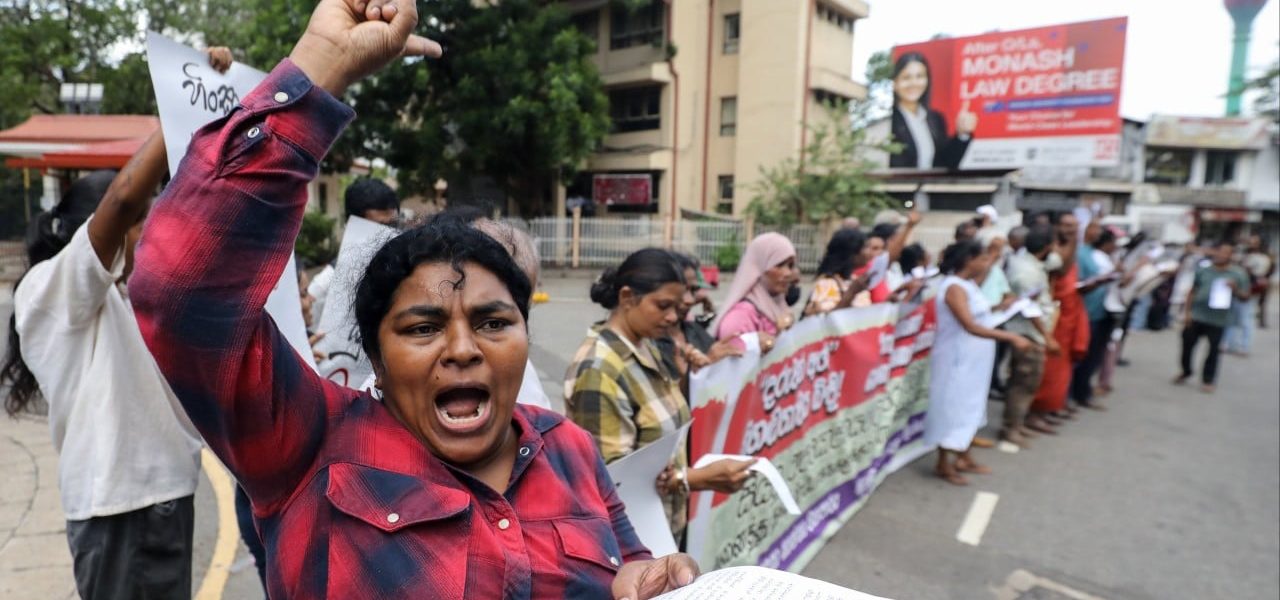
But while the clergy navigates its internal turmoil, public reaction ranges from shock to outright fury. For many, it confirms a simmering fear: that even the most hallowed institutions aren’t immune to the basest human failings. And it fuels the argument — a quiet one, typically — that religious leaders need greater accountability, not just spiritual but temporal, too. “This case is a grim reminder that no institution is above scrutiny when it comes to the safety of our children,” commented activist Anura Perera, Director of the Voice of Sri Lanka’s Children Foundation. “It’s not enough to suspend; there must be transparent investigations, justice for victims, and systemic change that safeguards every child.”
And these discussions aren’t limited to Sri Lanka’s tear-soaked shores. Across South Asia and the broader Muslim world, societies often grapple with the complex intersection of religious authority, public trust, and calls for transparency. Think about the challenges facing other traditional systems in the region — systems often deemed unassailable — like the ‘Dabbawalas’ of Mumbai fighting for survival in the digital age, a narrative of change echoing even in ancient ways of life (read more here). The vulnerability of revered figures, or even revered institutions, isn’t unique, but the pain it causes is universal.
UNICEF data from 2017 — a sobering report — indicated that 10% of girls and 5% of boys in Sri Lanka had experienced sexual abuse. These aren’t just numbers; they’re shattered childhoods. Because while a national conservative bent might preach reverence, it sometimes stifles the open conversations needed to address such deeply disturbing patterns. This incident pulls those conversations into the stark, unforgiving light of day.
But the fallout extends beyond Kandy. International organizations watch these events unfold, noting how Sri Lanka — a nation trying to mend its post-conflict social fabric — manages internal crises, especially those touching on its most cherished values. How the Sangha — the Buddhist monastic community — handles this public relations nightmare could redefine its role for a new generation, one perhaps less inclined to unquestioning obedience.
What This Means
This episode won’t simply fade away. Politically, the government, regardless of its inclinations, will face pressure to demonstrate a clear commitment to justice, even against a deeply influential religious order. Its response will be a delicate dance between maintaining public order and upholding the rule of law, potentially challenging the traditional autonomy enjoyed by religious bodies. Economically, while not a direct blow, persistent headlines questioning institutional integrity don’t do much for investor confidence — or for the nation’s image on the global stage. Nobody wants to invest in, or visit, a place where the foundational institutions are perceived as compromised.
Then there’s the social aspect: a potential crisis of faith. For many Sri Lankans, particularly in rural areas, monks aren’t just spiritual guides; they’re community pillars, arbiters of disputes, and sources of comfort. A scandal of this magnitude erodes that trust, leaving a vacuum where moral authority once stood unquestioned. And we’ve seen this movie before — the erosion of public confidence in established institutions often creates fertile ground for dissent, or even for alternative, sometimes extremist, movements to take root. This incident serves as a stark reminder that even in deeply traditional societies, the push for transparency and accountability is gaining momentum, forcing conversations previously swept under the temple rug into the harsh glare of modernity. Sri Lanka’s venerable Bodhi tree, perhaps, is not the only thing swaying under unforeseen forces.