

Amidst Capital’s Cacophony, White House Apiary Buzzes with Unspoken Diplomacy
POLICY WIRE — Washington, D.C. — In a city perpetually consumed by legislative skirmishes, high-stakes trade negotiations, and geopolitical gambits, sometimes the most profound political statements...

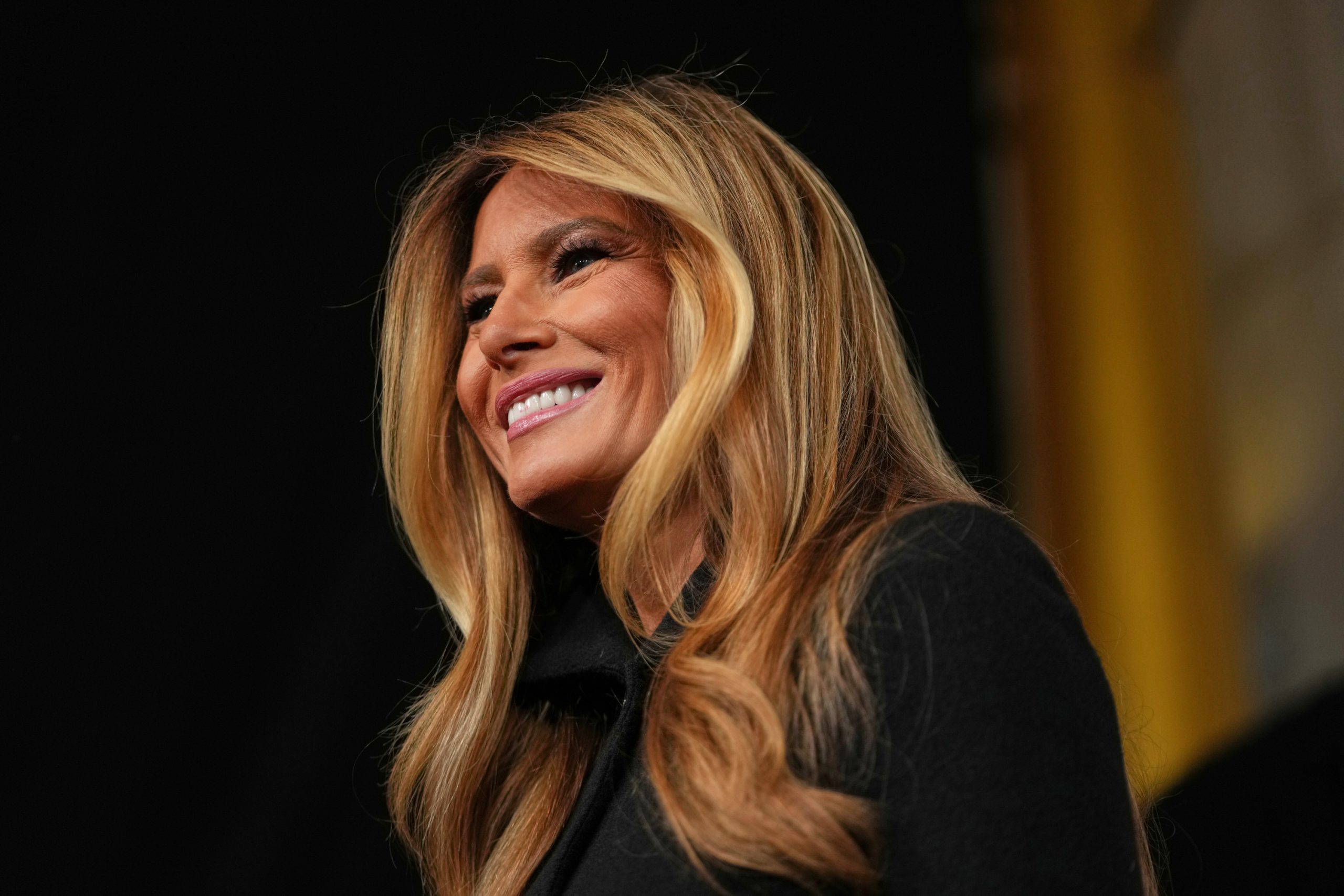
POLICY WIRE — Washington, D.C. — In a city perpetually consumed by legislative skirmishes, high-stakes trade negotiations, and geopolitical gambits, sometimes the most profound political statements are whispered by the smallest creatures. They’re not lobbyists, mind you, nor are they a nascent insurgent group; they’re bees. And at the heart of America’s executive power, First Lady Melania Trump is quietly, yet consequentially, expanding the White House honey program.
It’s an endeavor that, on its face, seems rather quaint, almost incongruous with the often-tempestuous political climate. But behind the headlines — those cacophonous dispatches detailing every presidential pronouncement and congressional wrangle — a different sort of buzz is emanating from the South Lawn. The First Lady, known for her ‘Be Best’ initiative, has added a second beehive to the White House grounds, augmenting an apiary initially established by Michelle Obama. Ostensibly, it’s about pollinator health — and fresh honey. Yet, everything in Washington carries layers of meaning, doesn’t it?
At its core, this isn’t merely a horticultural pastime. It’s a deft deployment of soft power, a subtle nod to environmental stewardship that transcends partisan divides. And for a First Lady whose public appearances are often meticulously curated, it’s a moment of relatable, almost pastoral, engagement. “It’s imperative we cherish and protect these tiny, industrious creatures,” Melania Trump was quoted as saying during a rare public comment on the program. “Their welfare isn’t just ecological; it’s a testament to our commitment to a healthier planet for our children, and that’s something everyone can agree on.”
Still, the stakes for pollinators are anything but trivial. According to a 2016 report by the United Nations’ Intergovernmental Science-Policy Platform on Biodiversity and Ecosystem Services (IPBES), up to $577 billion in annual global crop output is directly reliant on animal pollination. That’s a staggering figure, highlighting an often-overlooked linchpin of global food security. The slow, inexorable decline of bee populations worldwide — attributable to pesticides, habitat loss, and climate shifts — poses an existential threat far removed from the daily churn of cable news cycles.
The plight of these insects, often overshadowed by more dramatic environmental calamities, isn’t confined to American manicured lawns. Indeed, from the fertile plains of Punjab to the arid stretches of Balochistan, regions heavily reliant on traditional agriculture face profound threats to biodiversity. Nations like Pakistan, where a significant portion of the populace depends on subsistence farming and cash crops, find their agricultural backbone intimately linked to pollinator health. When one considers that global food security hinges on the silent, tireless work of these insects – responsible for an estimated one-third of the world’s food production – a First Lady’s apiary suddenly acquires a broader, almost diplomatic resonance. It’s a reminder, too, of the environmental vulnerabilities faced by disparate populations, perhaps even mirroring the fragility of vital infrastructure as seen in regions grappling with silent decay in critical warning systems.
“This isn’t merely about honey; it’s a potent symbol, demonstrating that even amidst the gravest national concerns, a leader can champion quiet, consequential environmental stewardship,” offered Dr. Anya Sharma, an ecological policy analyst at the Potomac Institute for Environmental Studies. Her observation captures the bifurcated reality of modern governance: the grand pronouncements of statecraft juxtaposed with the subtle, often overlooked, gestures that shape public perception and policy discourse.
And so, while pundits dissect presidential tweets and congressional hearings, the bees on the South Lawn continue their unhurried work. They don’t care much for approval ratings, or legislative victories; they’re just gathering nectar, oblivious to the weighty symbolism buzzing around their hives. But for a watchful few, their industry is a quiet counterpoint to the tumult, a reminder that some efforts, however small, cultivate a sweetness that endures.
What This Means
The expansion of the White House apiary, while seemingly a minor domestic detail, holds several layers of political and economic implication. Politically, it allows the First Lady to cultivate a positive, non-controversial image, aligning her with environmentalism and healthy living – themes with broad appeal. This soft diplomacy can subtly humanize an administration, offering a tranquil counter-narrative to often-contentious policy debates. Economically, by drawing attention to pollinators, it indirectly highlights a critical component of global agriculture. It’s a gentle nudge towards recognizing the economic value of ecological health, an issue whose true cost is often hidden until disaster strikes. the focus on sustainable practices, however small-scale, can inspire broader public awareness and potentially influence consumer choices or local policy initiatives. It’s a classic example of how seemingly benign projects can possess an outsized, if understated, influence on public discourse and perception, demonstrating that a First Lady’s purview extends beyond mere interior decoration to encompass matters of global ecological import.