

Altitude of Aspiration: Local Hot Air Blooms in National Limelight, Policy Woes Below
POLICY WIRE — Albuquerque, New Mexico — Sometimes, the quiet hum of policy debate – the often-gritty struggle over budgets, infrastructure, or community development – gets briefly overshadowed by the...

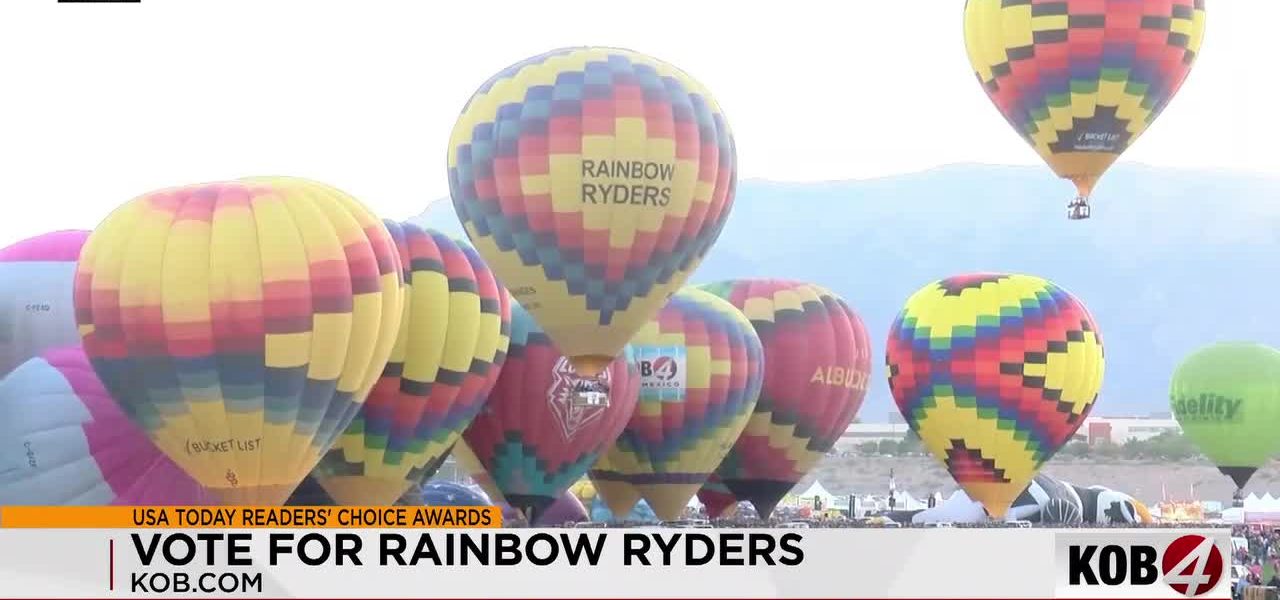
POLICY WIRE — Albuquerque, New Mexico — Sometimes, the quiet hum of policy debate – the often-gritty struggle over budgets, infrastructure, or community development – gets briefly overshadowed by the buoyant spectacle of a local success story. So it’s with Albuquerque’s Rainbow Ryders, a hot air balloon outfit now sailing into national prominence via a USA Today readers’ choice award nomination. A small thing, maybe. But sometimes small things tell a bigger story.
It wasn’t a federal aid package for sustainable urban transit or a groundbreaking renewable energy initiative that recently captured fleeting national attention here. Instead, it was a tour operator whose primary mode of business involves inflating oversized nylon bags and floating tourists over the Rio Grande Valley. Rainbow Ryders, a company built on scenic flights, found itself among contenders for USA Today’s 10Best Readers’ Choice Awards.
And yes, this nomination, seemingly a minor cultural note, carries weight in some circles. It’s not about the balloons, not really. It’s about optics. It’s about drawing eyeballs. Mayor Tim Keller (D) was quick to underscore the ripple effect such recognition could have. “Anytime our local businesses, especially one so uniquely Albuquerque as Rainbow Ryders, gains national exposure, it’s a win for our city’s profile,” Keller’s office said in a recent statement to local press, reflecting the standard municipal line on tourism boosters. “It highlights the vibrancy of our community, our incredible landscapes, — and our entrepreneurial spirit. We’re rooting for them, of course.”
But the real conversation, the one that political strategists and economic development chiefs in the capital whisper about, isn’t just hot air. It’s about what such ‘feel-good’ narratives accomplish. They burnish the local brand. They distract, for a moment, from the relentless grind of urban challenges. They paint a pretty picture for out-of-state investment brochures.
New Mexico, after all, doesn’t subsist on balloon rides. Its economy, volatile as it’s, relies on a precarious balance of federal spending, energy extraction, and a burgeoning, if often undersupported, tech sector. But a tourism headline? That’s gold for public relations.
“We’ve got incredible natural beauty — and a unique cultural heritage here in New Mexico. Efforts like the 10Best awards simply put us on more vacation wish lists,” said state Tourism Secretary Jenice García (D), whose department actively courts such recognition, in a phone interview with Policy Wire. “Every tourist dollar, every visitor drawn by these nominations, helps bolster our hospitality sector—from local eateries to artisans. It’s a net positive, period.” She’s not wrong, of course. For every dollar spent by visitors in the state, an estimated 76 cents stays in the local economy, according to a 2022 analysis by the New Mexico Department of Tourism. That’s real money, not just hot air.
📄 POLICY WIRE WHITEPAPER PUBLISHED: PAKISTAN'S NATIONAL SECURITY POLICY PRIORITIES
👉 READ BY CLICKING HEREBecause ultimately, these kinds of accolades—even for something as ostensibly frivolous as a balloon company—are viewed by local policymakers through the lens of economic development. They’re a marketing asset. They’re leverage. They’re a reason to believe things are moving forward, even when the budget forecasts are grim and critical social programs face cuts. And isn’t that the whole game?
It’s an almost universal aspiration, this quest for positive national — and international attention. From Albuquerque’s balloons to Pakistan’s ancient Silk Road passes—potential tourist goldmines that, if properly leveraged through strategic investment and stability, could transform local economies. But where here, a balloon ride is a simple economic boost, there, promoting tourism often means battling deeply entrenched infrastructure deficits, security concerns, and bureaucratic inertia. A pleasant distraction here; a monumental policy challenge there.
What This Means
The nomination of Rainbow Ryders for a USA Today award, while superficially about tourism, subtly illuminates the political economy of modern regional governance. Such an accolade, inexpensive to achieve through community engagement (reader voting), provides a disproportionate return in public relations capital. It allows local officials to tout “success” and “vibrancy” without having to necessarily report on the arduous policy wins—or losses—in more complex sectors like education or healthcare. It’s a readily digestible piece of good news for an electorate that often responds more to positive media narratives than granular policy reports.
Economically, it underscores the persistent, and often under-resourced, focus on tourism as a reliable economic pillar, especially for states and cities without booming tech hubs or dominant industrial bases. It’s an efficient way to demonstrate economic momentum — and foster civic pride. And from a national perspective, it highlights how national media, even through reader polls like these (see: USA Today Travel), continues to shape perception and influence travel decisions, with real financial implications for the nominated businesses and their broader local economies. It’s simple, effective marketing for local government, masked as civic pride. Pretty clever, if you think about it.